Category Archives: Nature, Photography, Videos

My first old-timey glass dryplate photograph!

I recently bought a cool old-timey (from 1896) folding “pocket” camera at a local garage sale and here is my first photograph! It’s so stinkin cool! (click for full size)
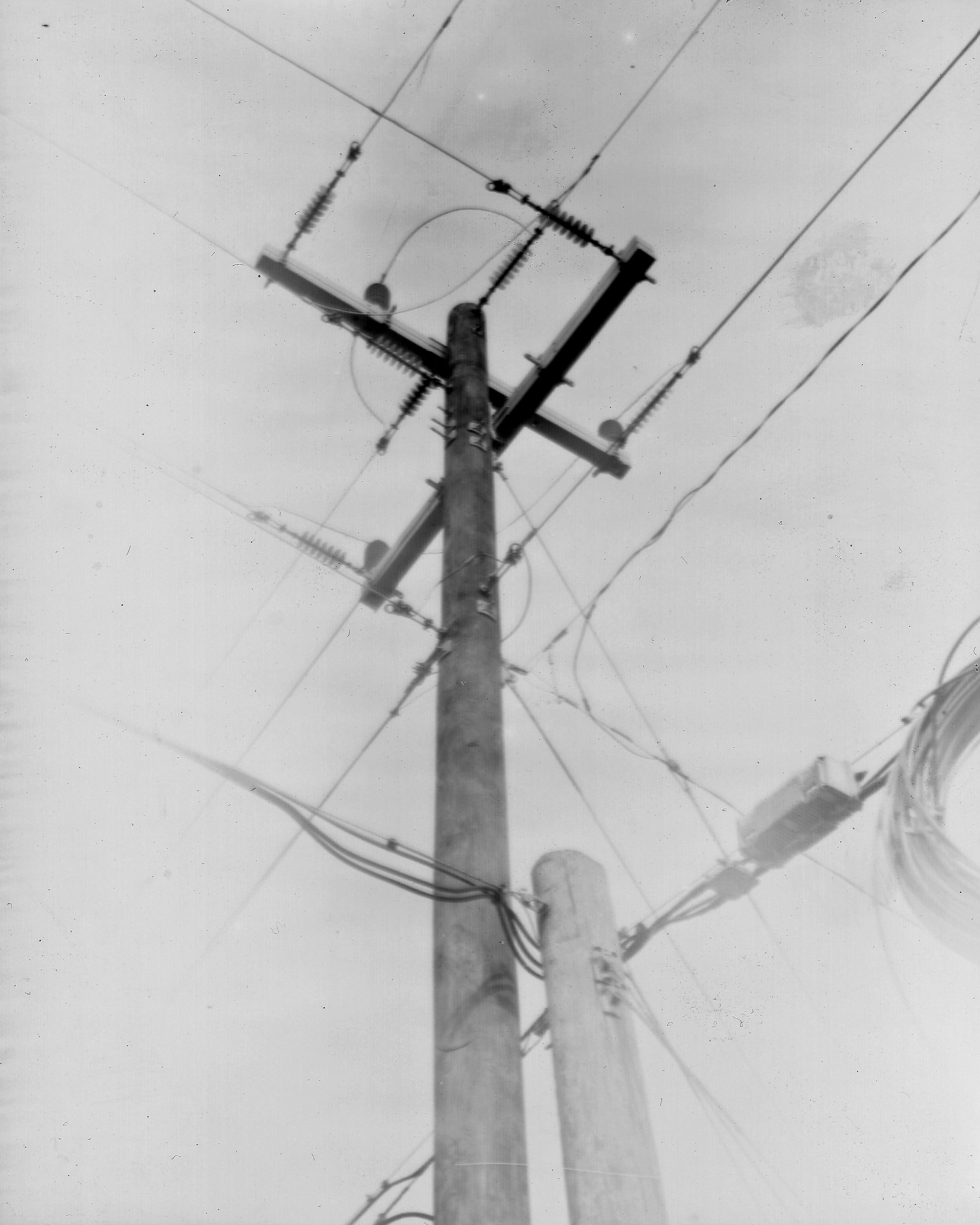
If you care to know more, here are all the gory details!

The Camera

The camera is a folding Rochester Cycle Poco No. 2 model from 1896.
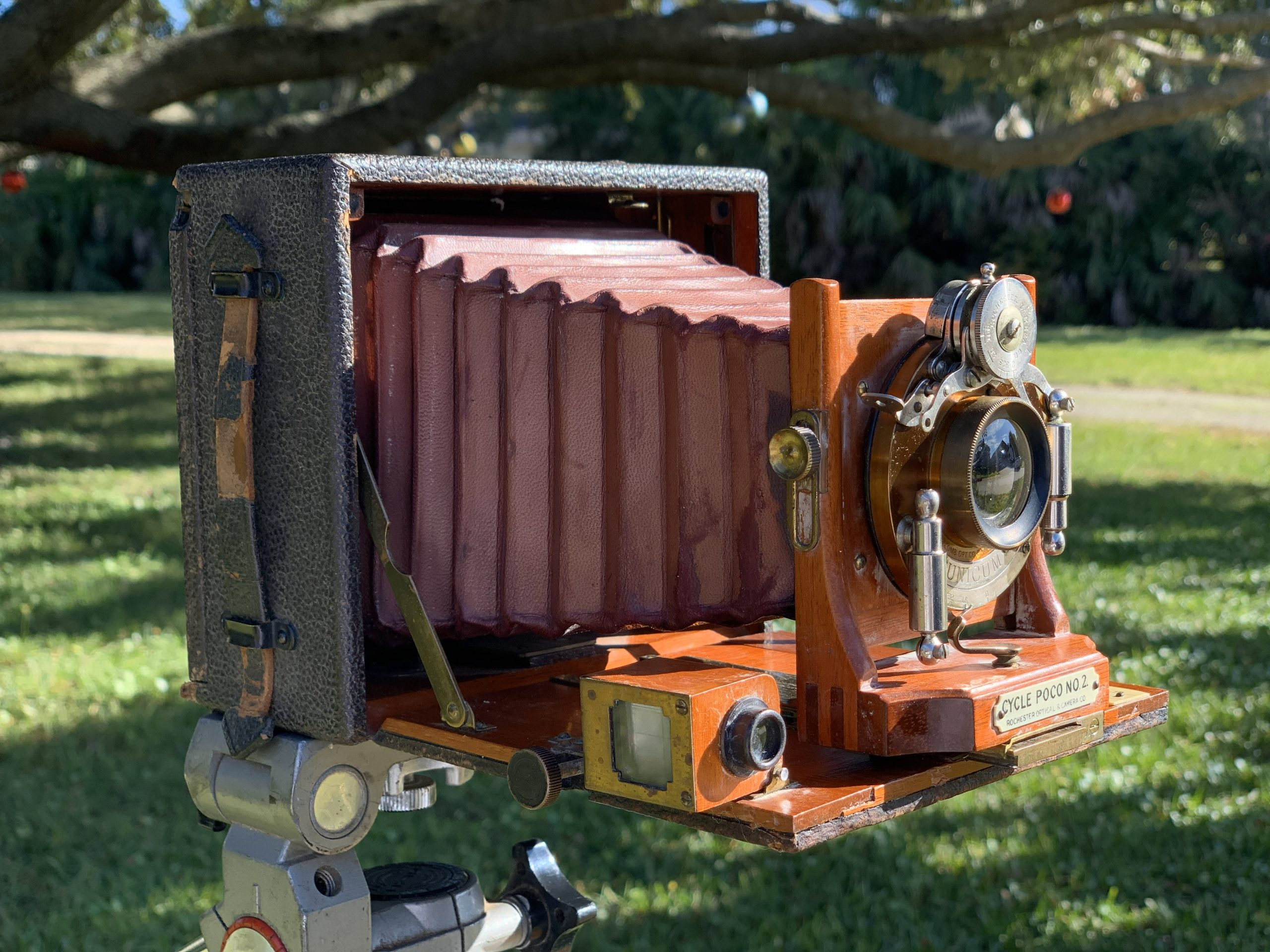
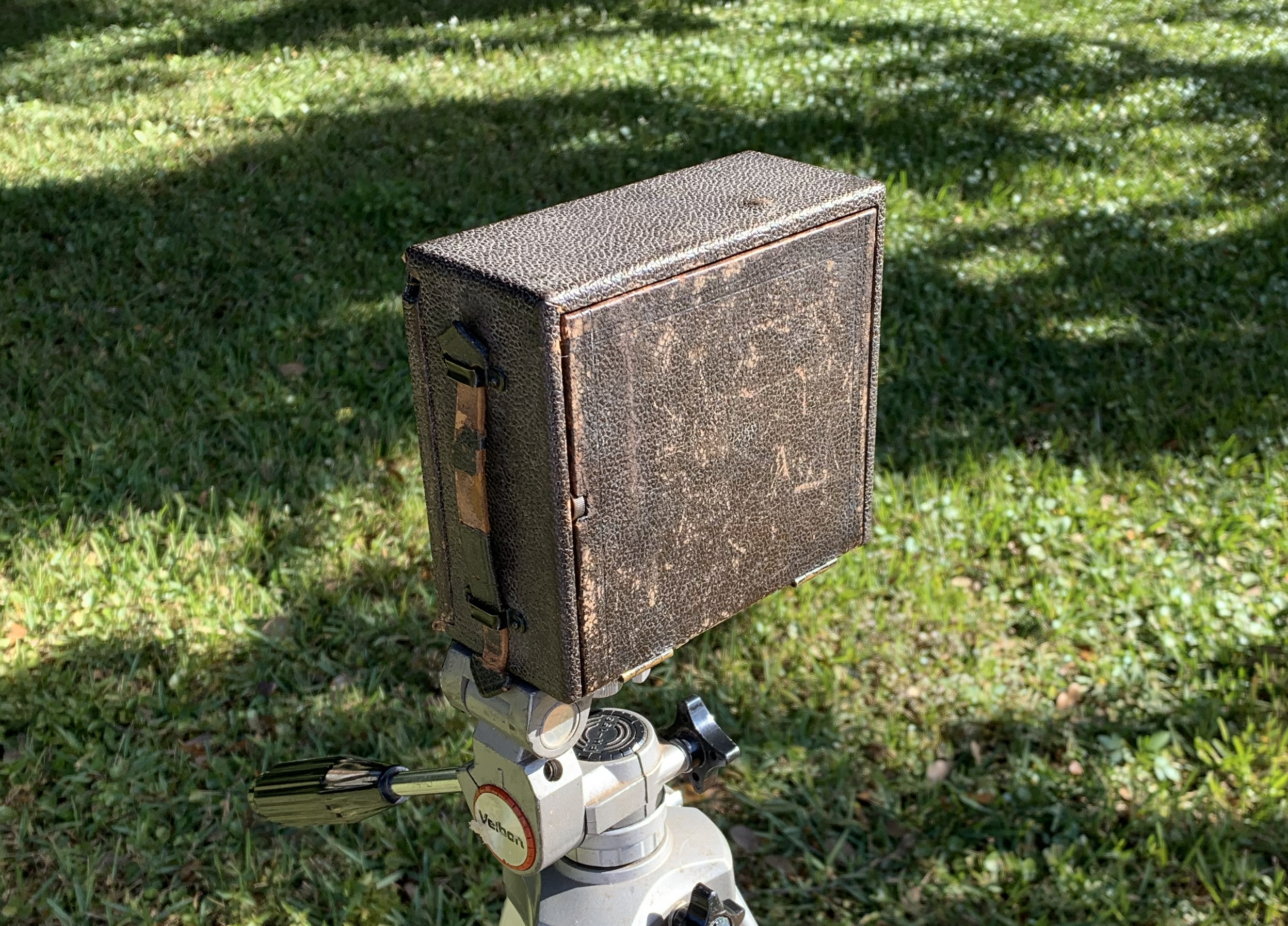
It’s a beautiful little portable foldable camera. It’s mostly made out of wood except for the actual iris/lens/trigger part. It folds up into a pretty small box that measures 6 inches by 6 inches by 3 inches.
The trigger mechanism was locked up when I bought it, but it took it completely apart and cleaned everything and put it back together and it works fine now. Well, except for the timer part. The timer mechanism is really cool. It’s not a mechanical timer. It’s a pneumatic timer, meaning it pushes air through a tiny hole in a pneumatic cylinder for slow controlled repeatable movement. In the below photo, the pneumatic cylinders are to the right and left of the central lens.
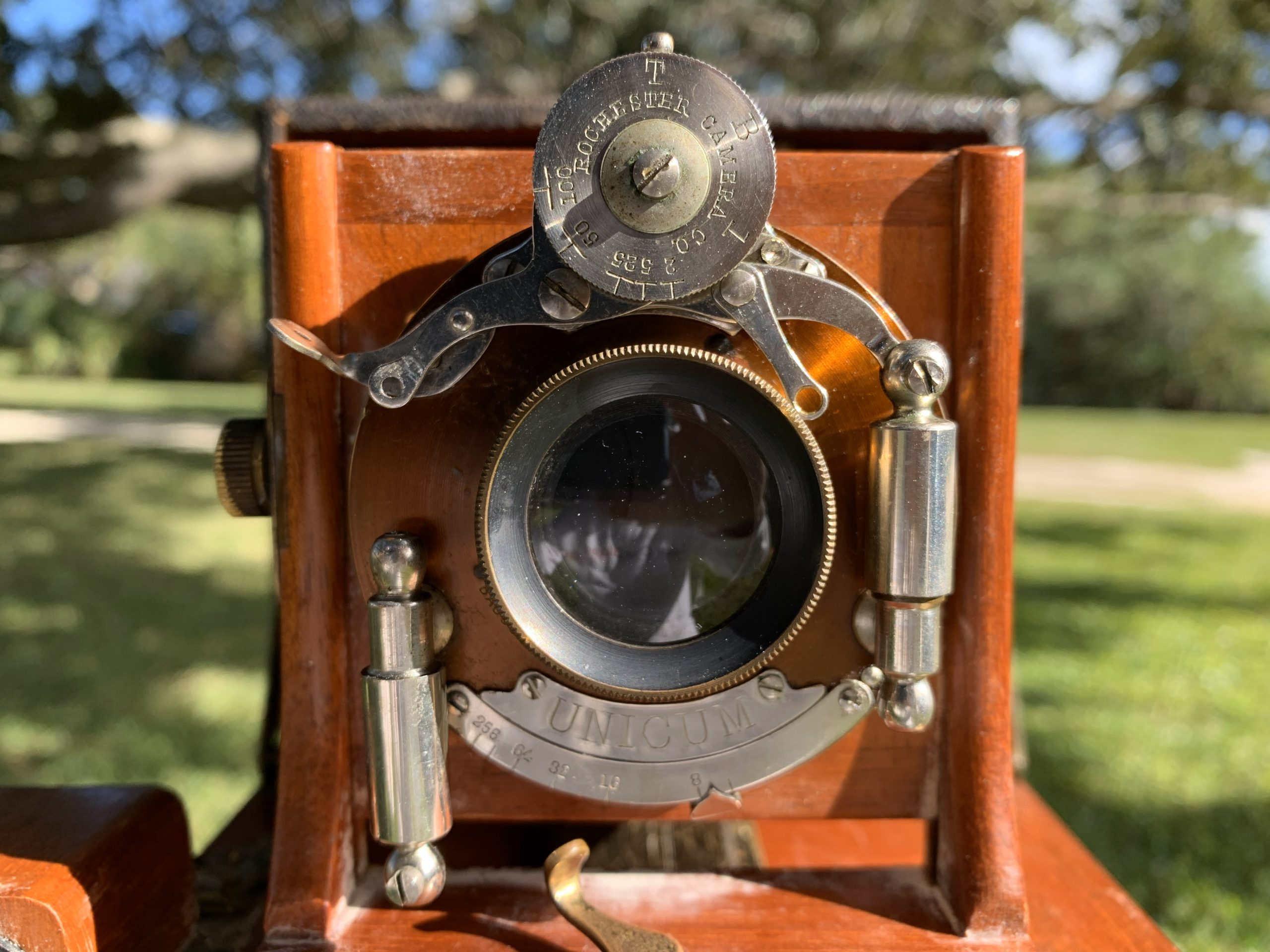
Sadly, the pneumatic cylinders are completely locked up and I could not break them free without busting them, so I just disconnected them and I’m using the camera in manual, or bulb, trigger mode.

This is fine, though, since the “film” available for this camera is only ISO 2, which is a very very slow film. Meaning the shutter has to be left open for a while in order for the slow film to gather enough light. Even in full sunlight, the shutter needs to stay open for a quarter or even a half a second, which I’m pretty capable of operating manually.

The “Film”

This camera doesn’t actually take film though. It exposes light to a 4 inch by 5 inch glass plate, known as a dryplate , that’s been coated with a thin layer of light sensitive silver gelatin . Flexible plastic photographic film was invented in the late 1880s, but was not super popular when this camera was sold. Most cameras of this era used glass dryplates.

I bought some hand-crafted hand-coated glass dryplates from a small online company in Slovenia. The company is called Zebra Dry Plates , so go check them out! They also have some really great alternative photography videos on their YouTube channel !

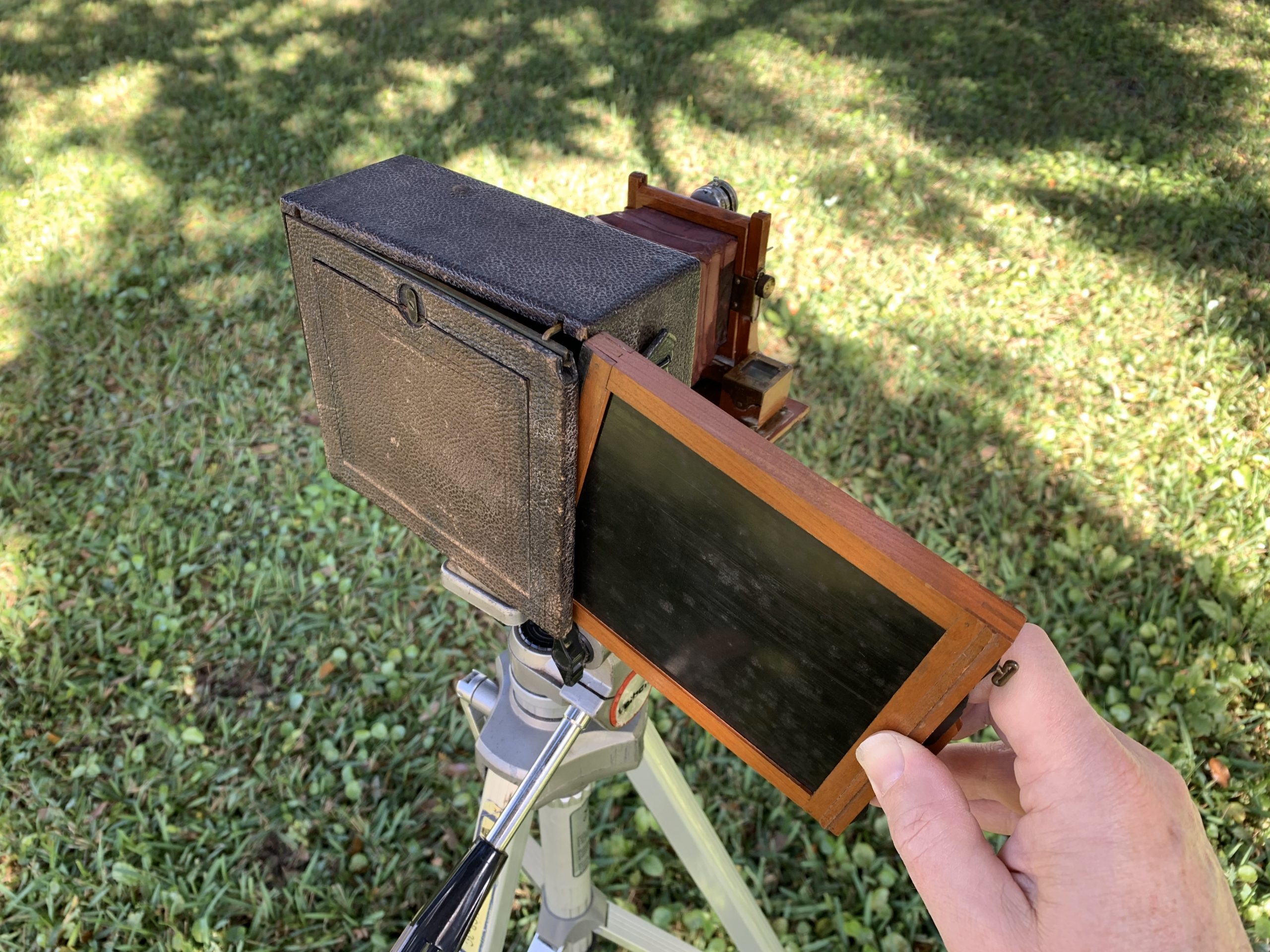
The camera comes with several cool wooden holders for exposing light to the plates. The holders are reversable so each holder can actually carry and expose 2 separate plates. You have to load your glass dryplates into these holders in a completely dark room or a room with only infrared light in order to keep from exposing your “film”.
First Photo Scene

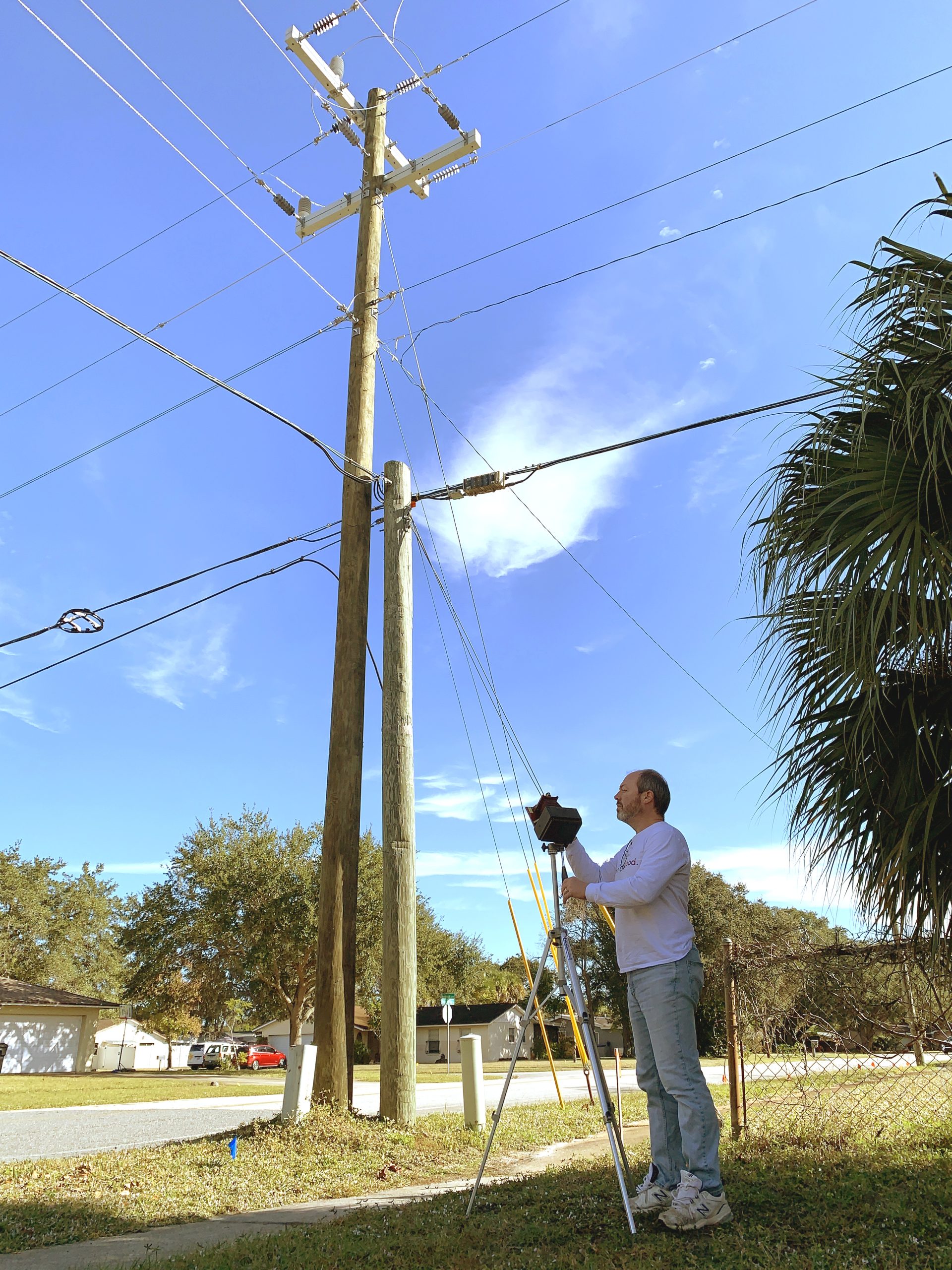
I decided to take my first photo of a power pole near my house. I thought this scene would give me some good contrast between the wooden pole and the bright sky. Plus nothing would be moving in this scene. Other than my camera a bit maybe during my long exposure triggering. Also, this is a very repeatable scene if I really screwed it up and had to do it over again later.
This camera has a cool little optical view finder with a tiny ball bearing inside that doubles as a level. It’s that little copper colored box in the upper right of this image:

This view finder uses a mirror or prism to optically project the scene, although upside-down, so you can frame it up properly. You don’t actually put your eyeball up to it like modern viewfinders. The image is projected pretty clearly onto a glass plate. I really don’t fully understand it. It’s amazing though.

Focus

I used the tissue paper method to focus the image inside the camera.
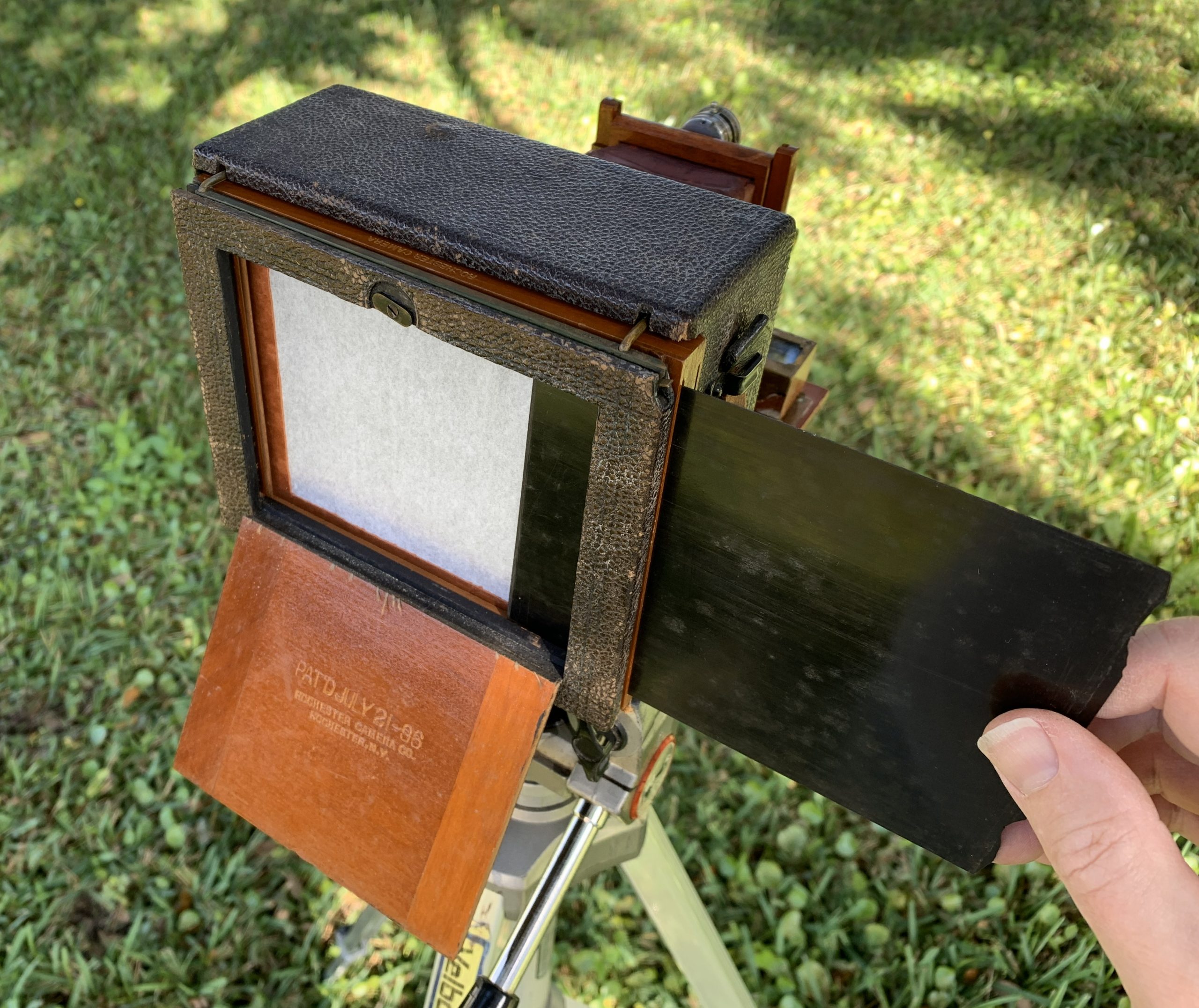
If you place a piece of thin tissue paper into the same plane that holds the glass dryplate, you will be able to clearly see the image being projected by the camera lens onto the other side of the tissue paper. It’s like a little movie projector on the back of the camera!
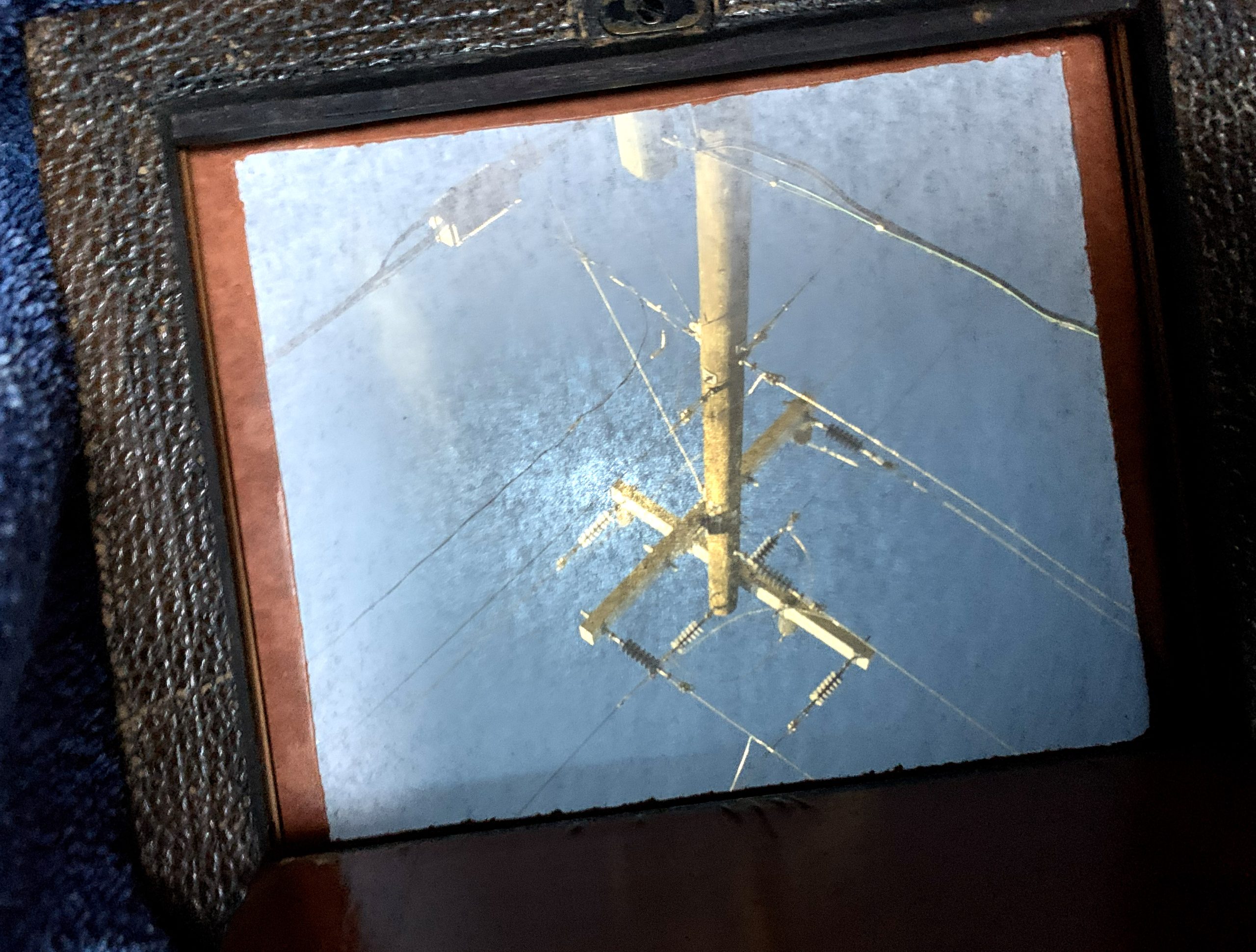
Yes, it projects upside down. That’s actually how lenses work.

You really have to block out all sunlight to clearly see the focused image on the tissue paper. And that totally explains why old-timey photographers would duck under a black velvet curtain to look into the back of their cameras!

Exposure

I used a free light meter app on my phone to tell me how long to expose the glass dryplate based on the current lighting in the scene, the ISO rating of the glass dryplate, and the f-stop, or iris opening, of the camera lens.

You basically just show the light meter app the amount of light in your scene by using your phone’s camera. And then you set the ISO value of your film. Then you can either set the exposure time or the f-stop iris value and the app will calculate the remaining variable.
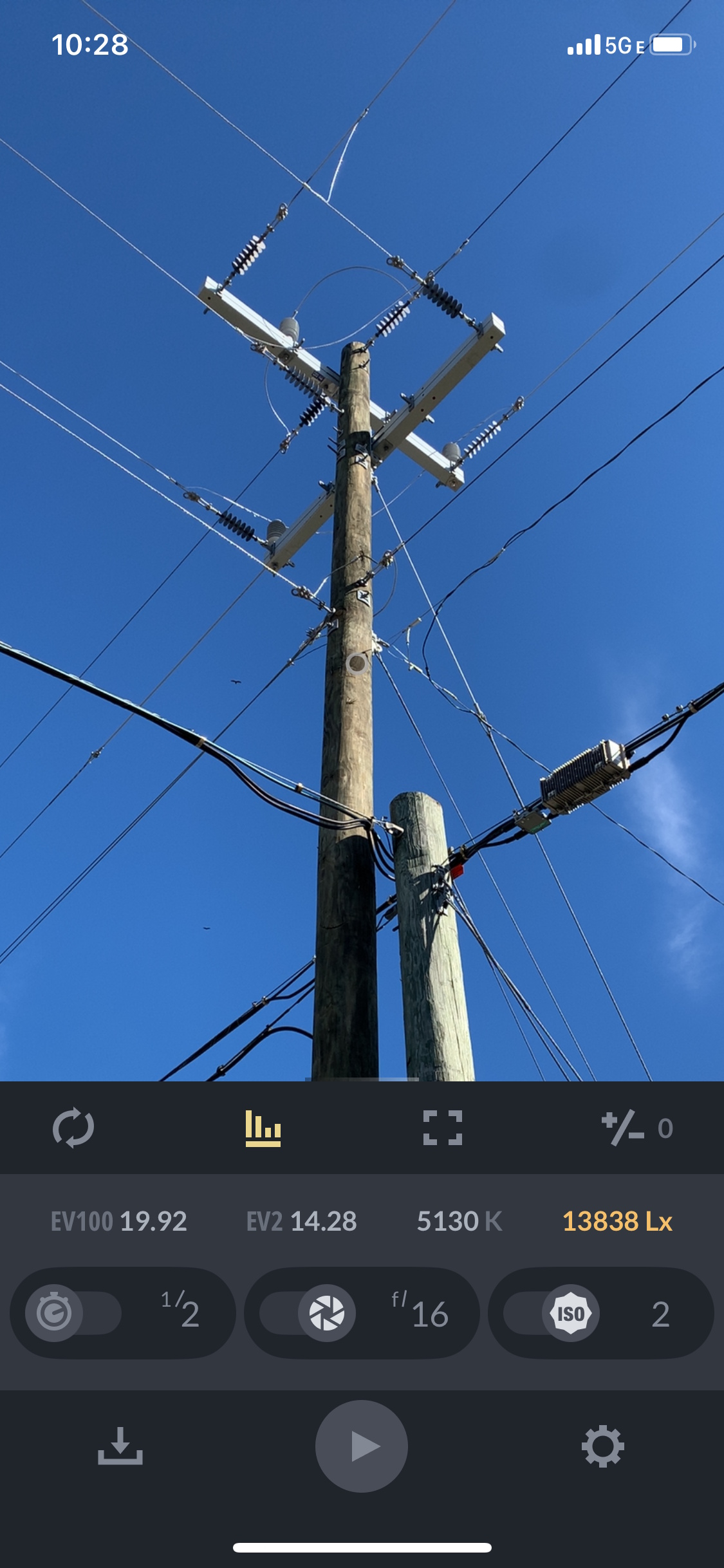
In this scene my film was ISO 2 and so I adjusted my f-stop to 16 in order to get a half-second of exposure time which I could just manually count off in my head. It did not have to be perfect. The film emulsion layer on the glass is slow so if I gave it a little extra light, it won’t actually overexpose it and ruin it. I could also compensate for some over or under-exposure during the development process. Which I performed myself.

In my case I also varied the lighting in the scene a little bit by waiting for the sun to come out from behind the clouds. I wanted this first test photo to have high contrast, so I did not want to take this photo under cloudy lighting conditions.

Developing

This was my first time developing photos, so I was pretty nervous about it. But it turned out to be not terribly difficult. I bought the trays and the developer chemicals and the fixer chemicals online at B&H Photo . I watched a few of the instructional videos from the Zebra Dry Plates company . And it tried it and it worked pretty well.

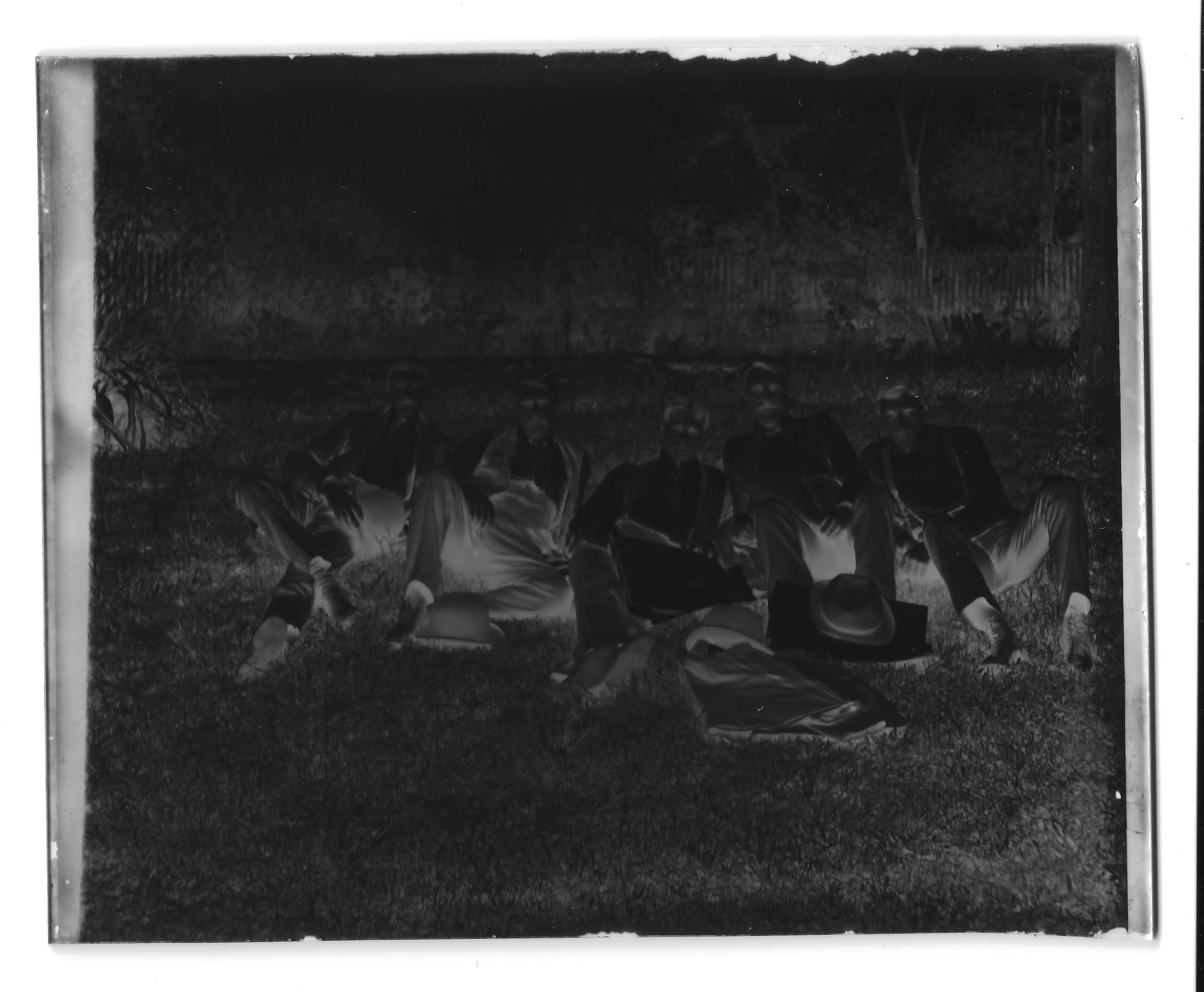
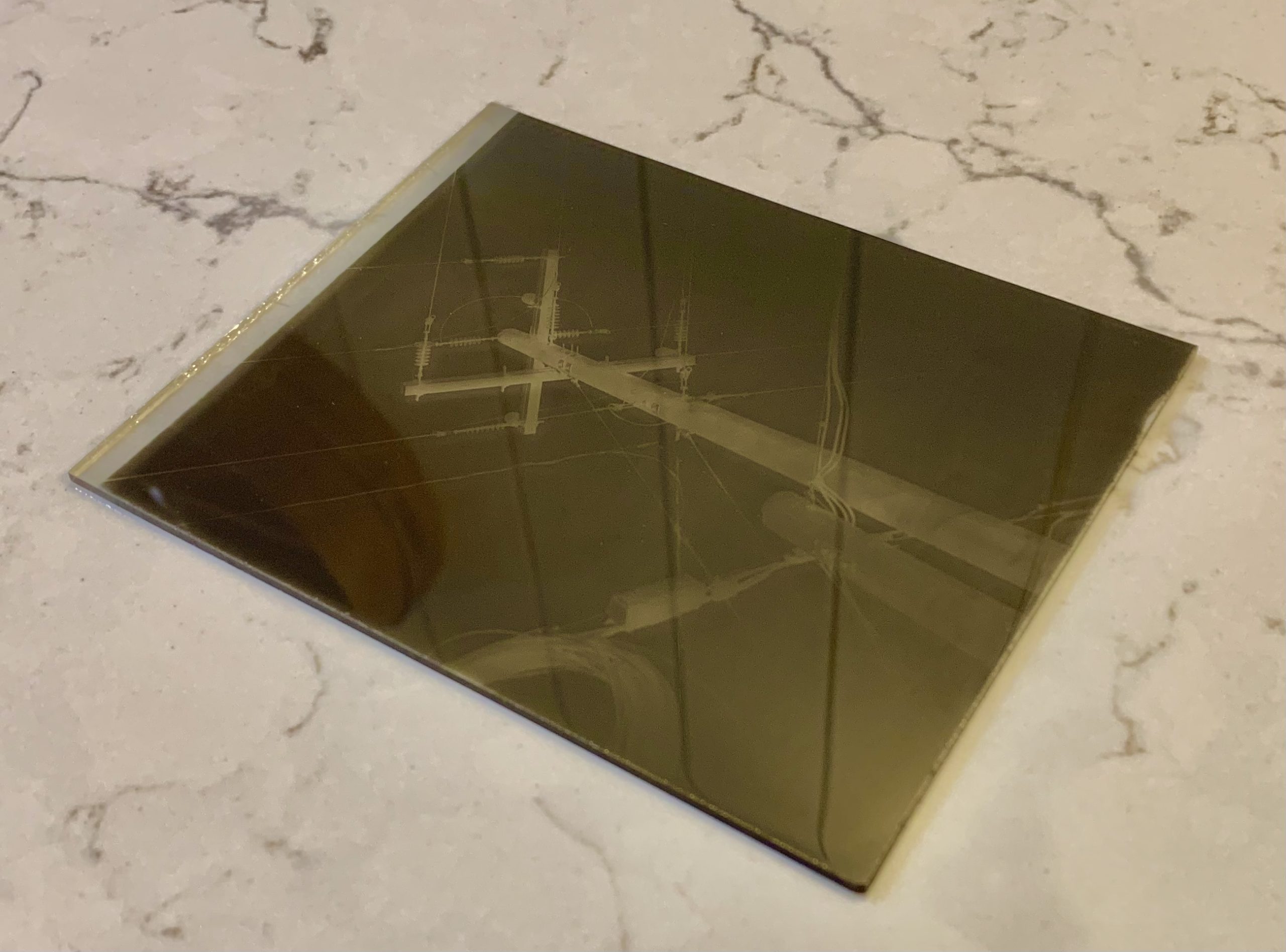
Once developed, fixed, and dried overnight, the glass dryplate showed a pretty nice negative image of the scene, like so:
Scanning

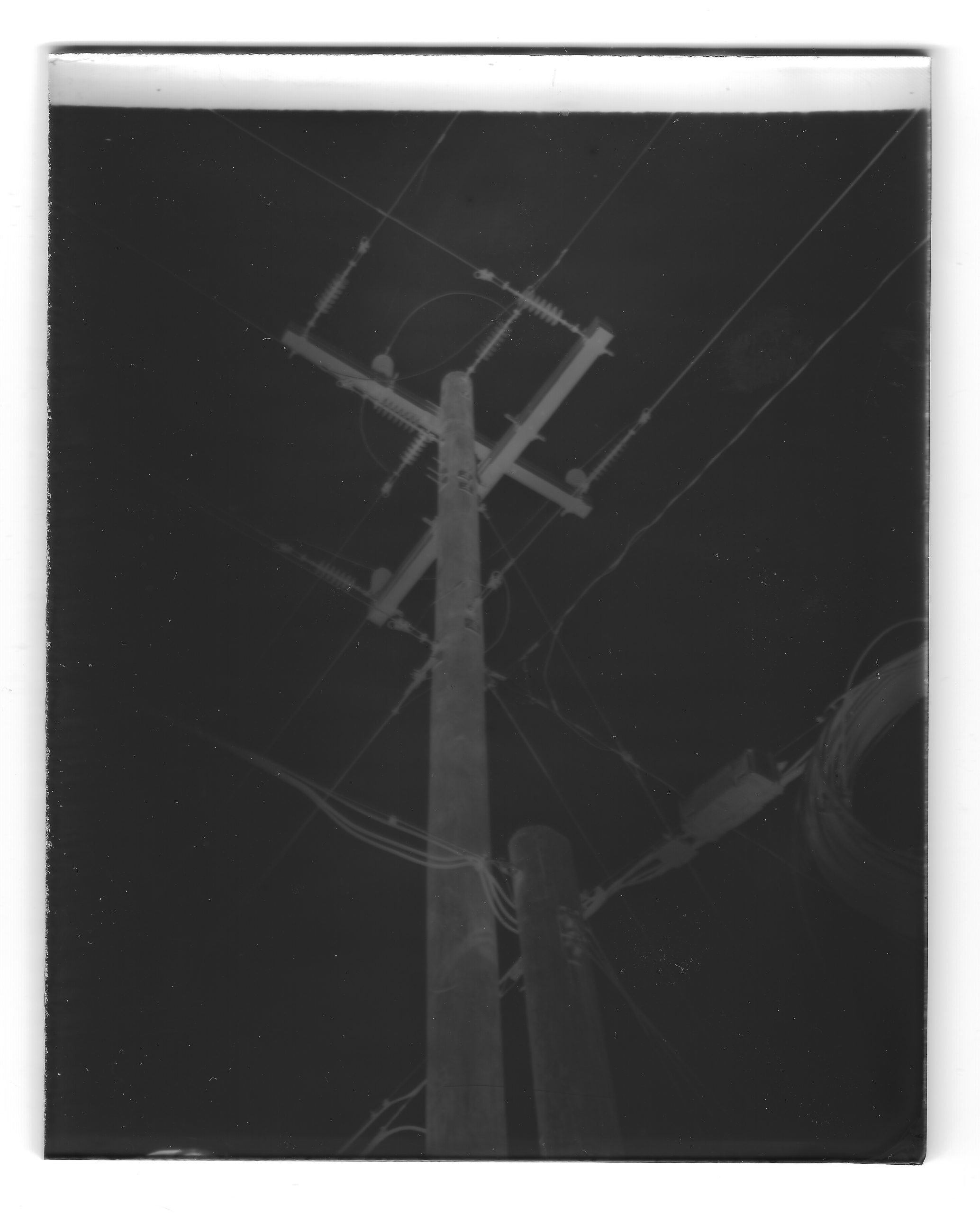
I then scanned it in my flatbed scanner at high resolution like so:
Correcting

And then I used my favorite free Photoshop clone, Paint dot net , to invert the negative into a positive and then to stretch the levels to give it dark blacks and light whites, like so:

I’m really quite pleased with my first old-timey photo. The small dust-like imperfections in the emulsion are real and are very similar to real photographs from that era. The fading or vignetting towards the edges is either due to the old-timey lenses in the camera, or is possibly due to the non-perfect hand-crafted light sensitive layer on the photographic glass plate that was used to capture the light. And that’s also actually not that uncommon for that era.

My first photo is a little bit blurry, which is also not uncommon for this old-timey technology. There’s some chance that my focus was a bit off. But there’s even more chance that the camera shook a bit during my manual triggering of the half a second exposure. For future photos, I will see if I can find a remote trigger to remove the possibility that I’m shaking the camera during triggering. And I also have an idea about how to fine tune and perfect the focusing of this camera.

Thanks!

So what do you think I should take an old-timey photo of next? Let me know in the comments!

Thanks for your interest!

Kurt
Alternative (Glass Dryplate) Photography

Thanks to a really cool recent find at a local garage sale, I’m about to experience a new hobby. Alternative, or dryplate, photography.

I bought an old camera from the late 1800s. 1896 actually. I will post details about the camera soon. This camera does not take film. Film was invented in the late 1880s, but was not super popular yet. The simple Kodak Brownie box camera changed the game in 1900, though, and dryplate photography dwindled from there.

Dryplate photography basically means that the camera exposed light to a glass plate that had been previously treated with a light sensitive silver gelatin coating. Most dryplate cameras could only expose one photo before having to swap out the glass plate or flip the plate holder around for a second exposure.

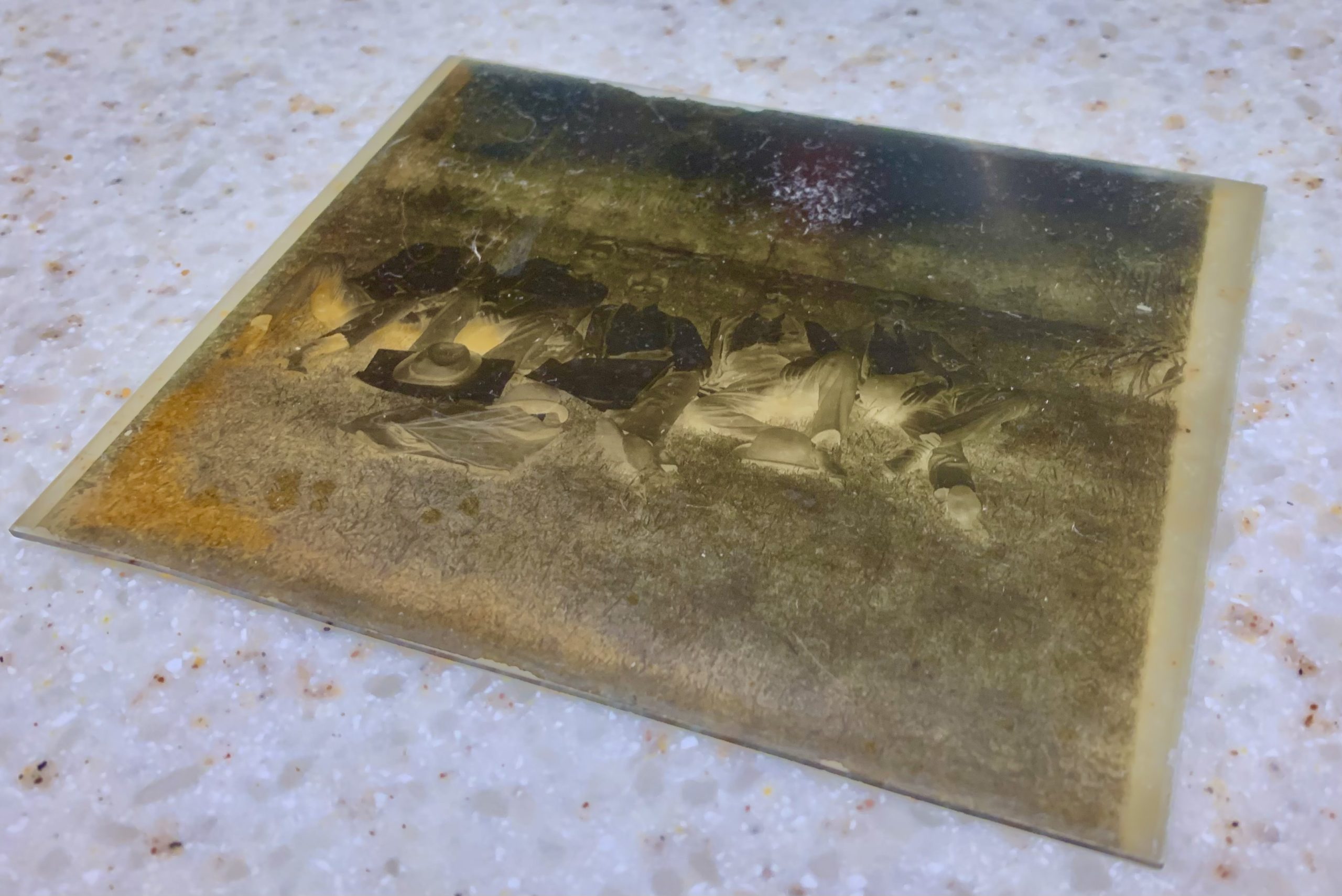
I’m really lucky that the camera I bought came with one dryplate glass negative, shown above. I scanned it and this is the scanned negative image.

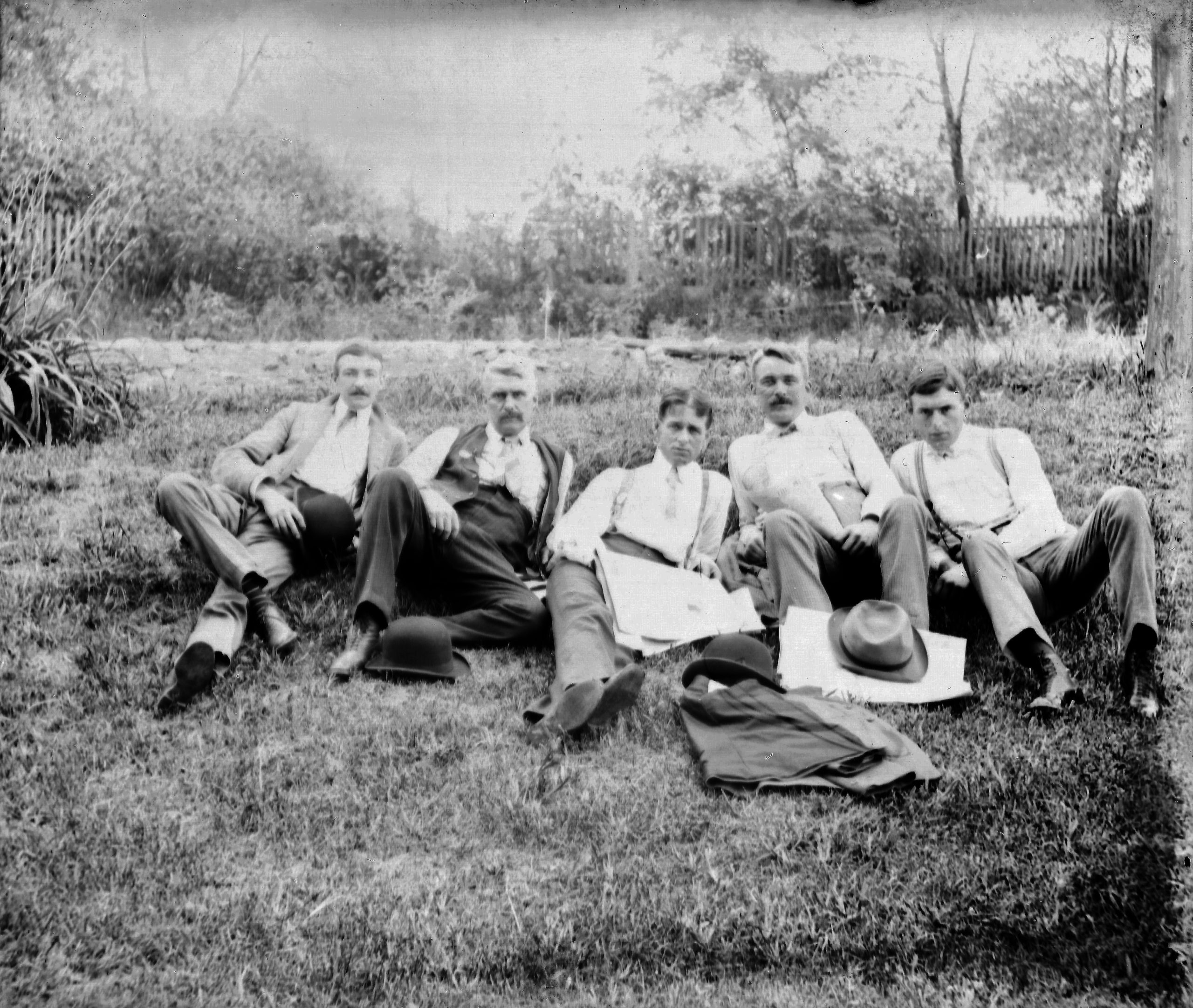
And here is what it looks like after inverting to normal colors and tweaking the histogram levels.

Pretty cool, huh?!?

Anyone out there in Internet-land have any idea who these five relaxing old-timey gentlemen are? Feel free to put your guesses in the comments!

Thanks,

Kurt

The Case Of The Magically Appearing Fish Scale

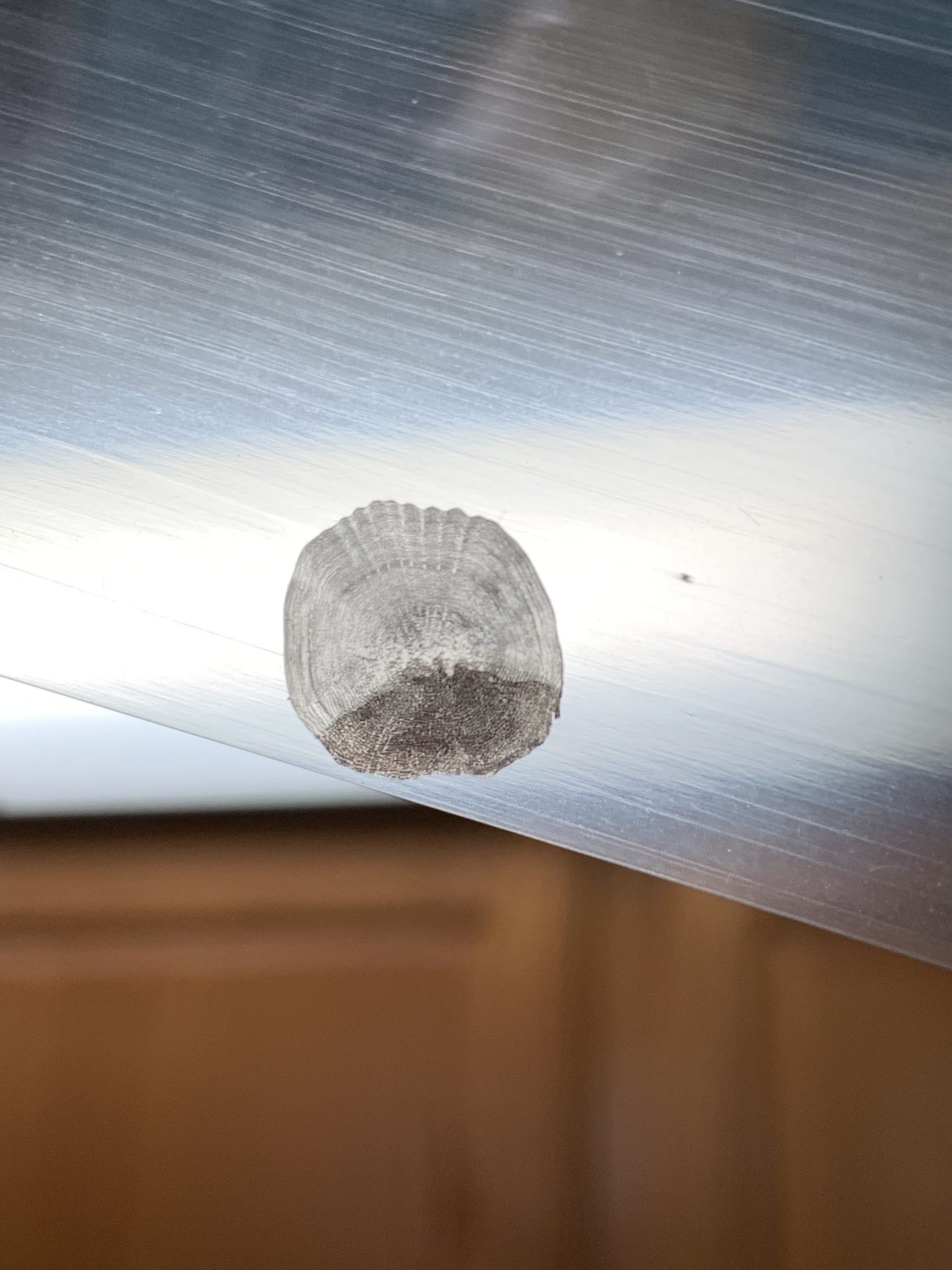
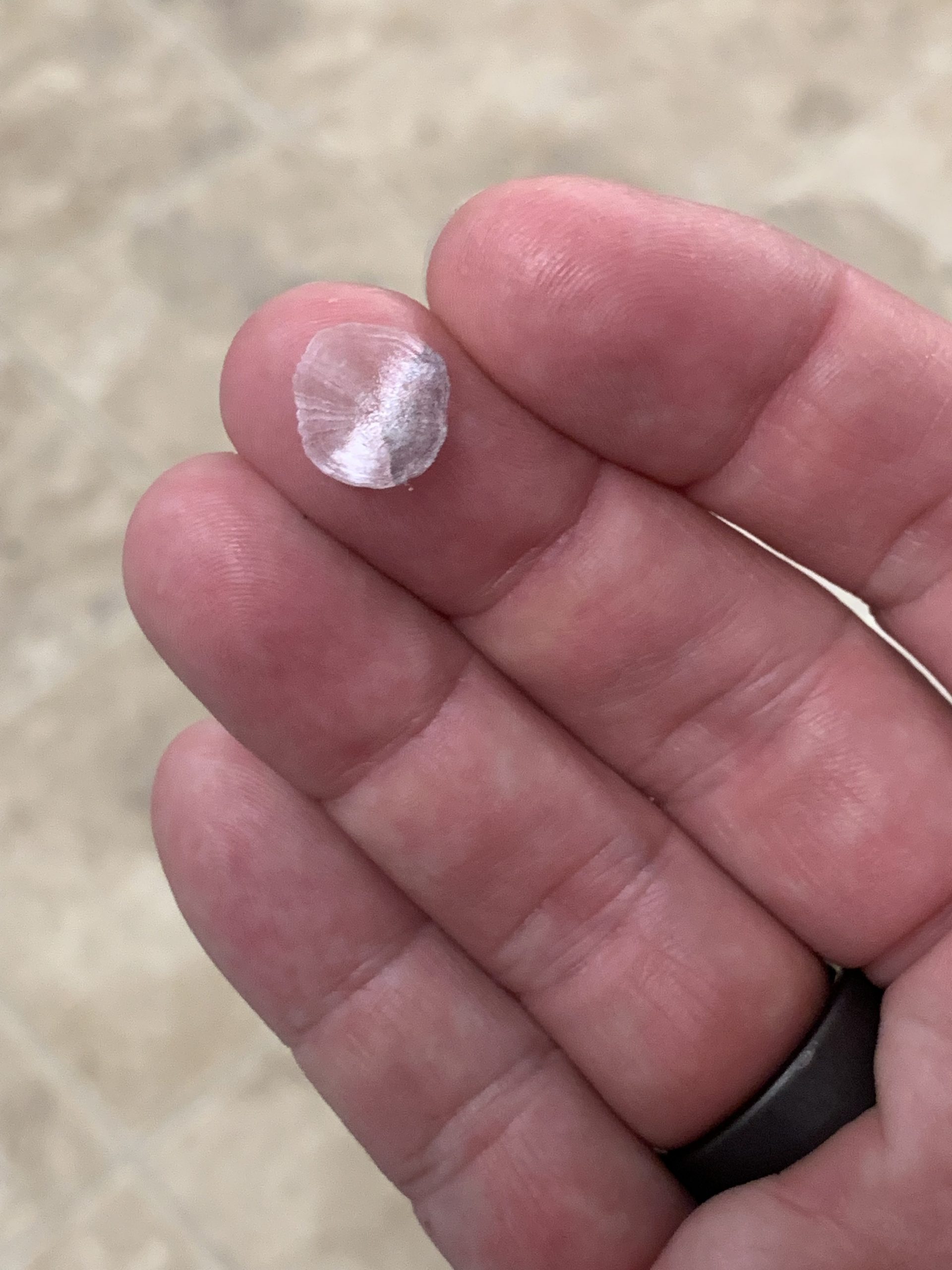
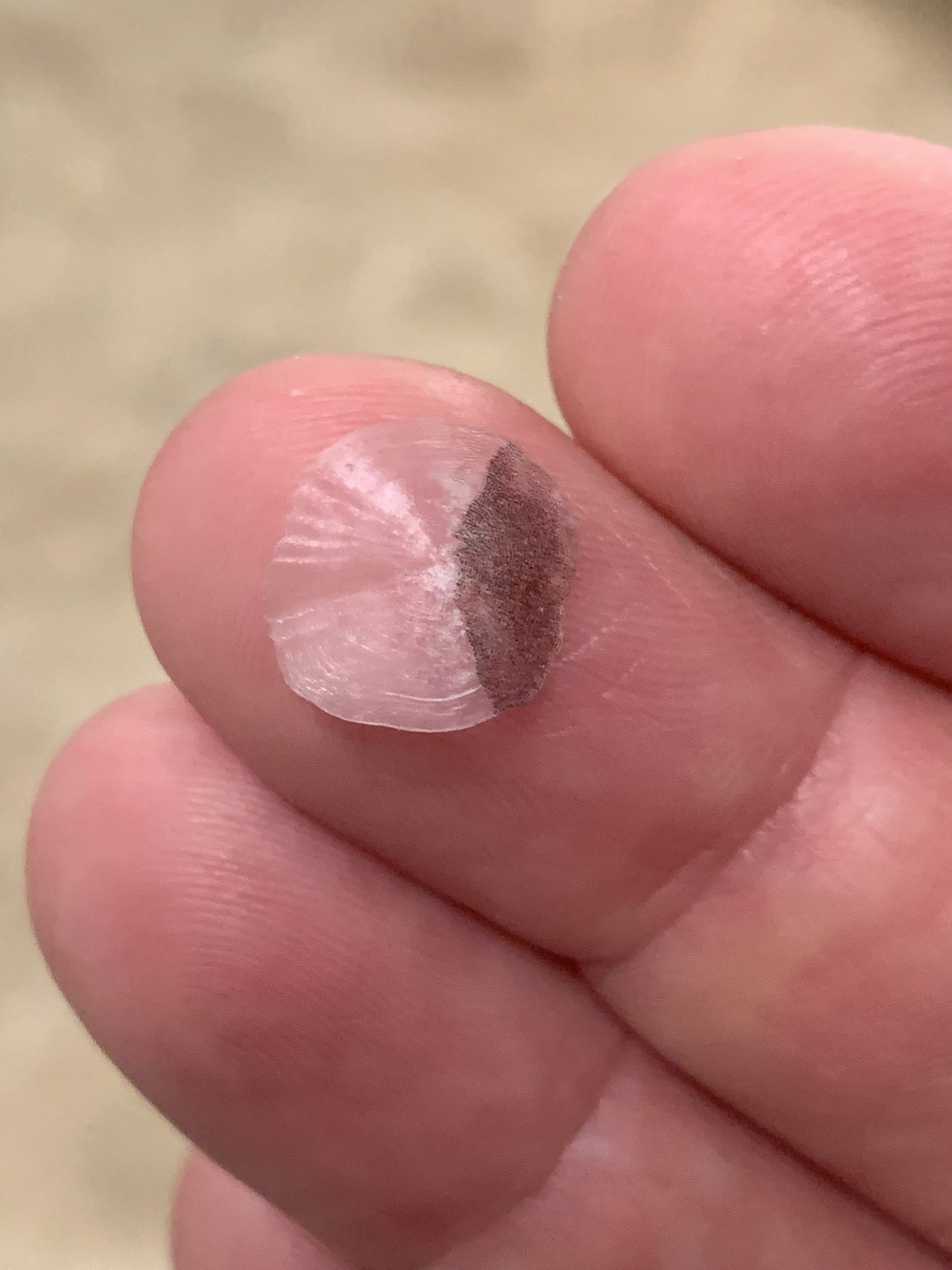
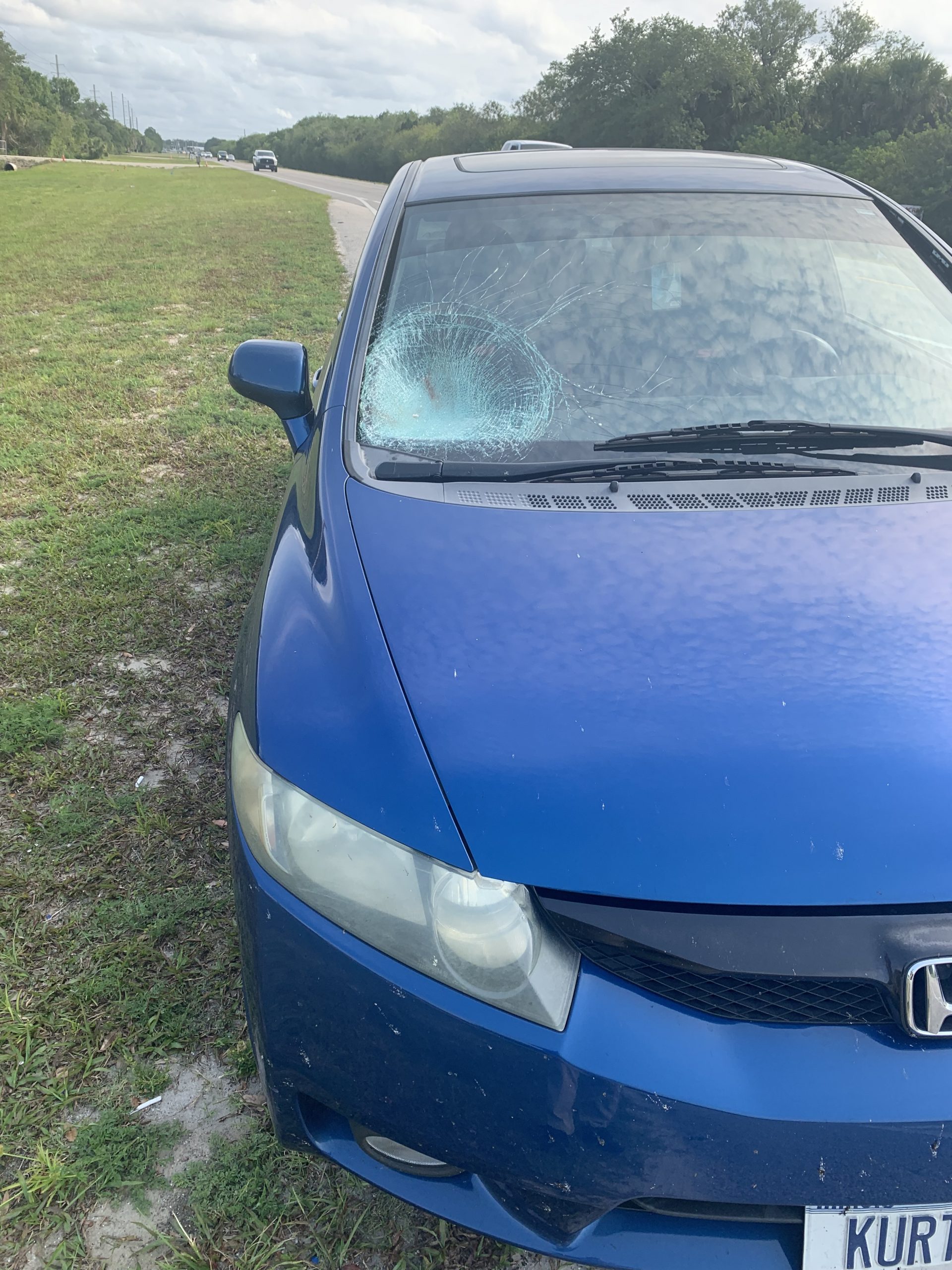
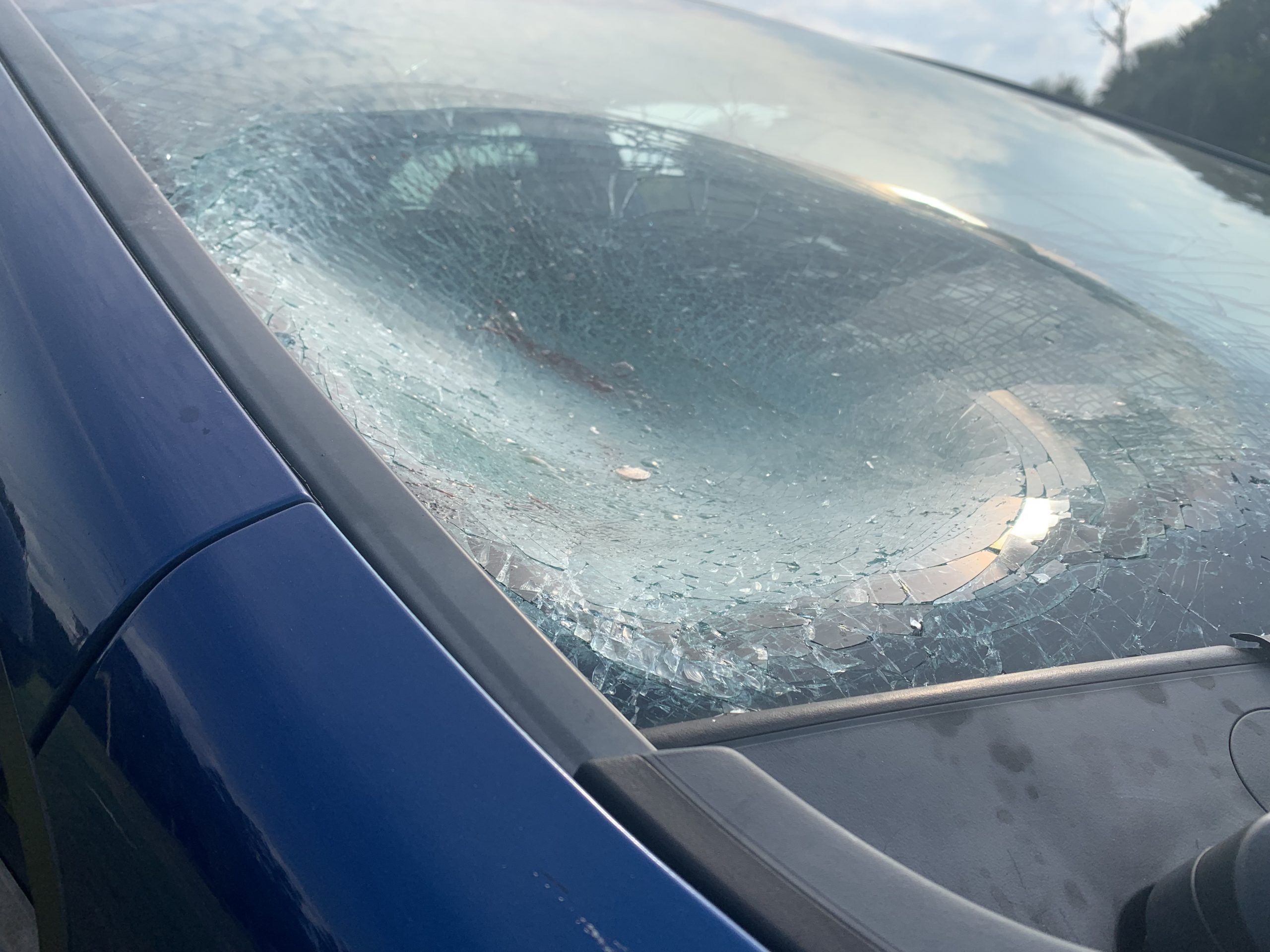
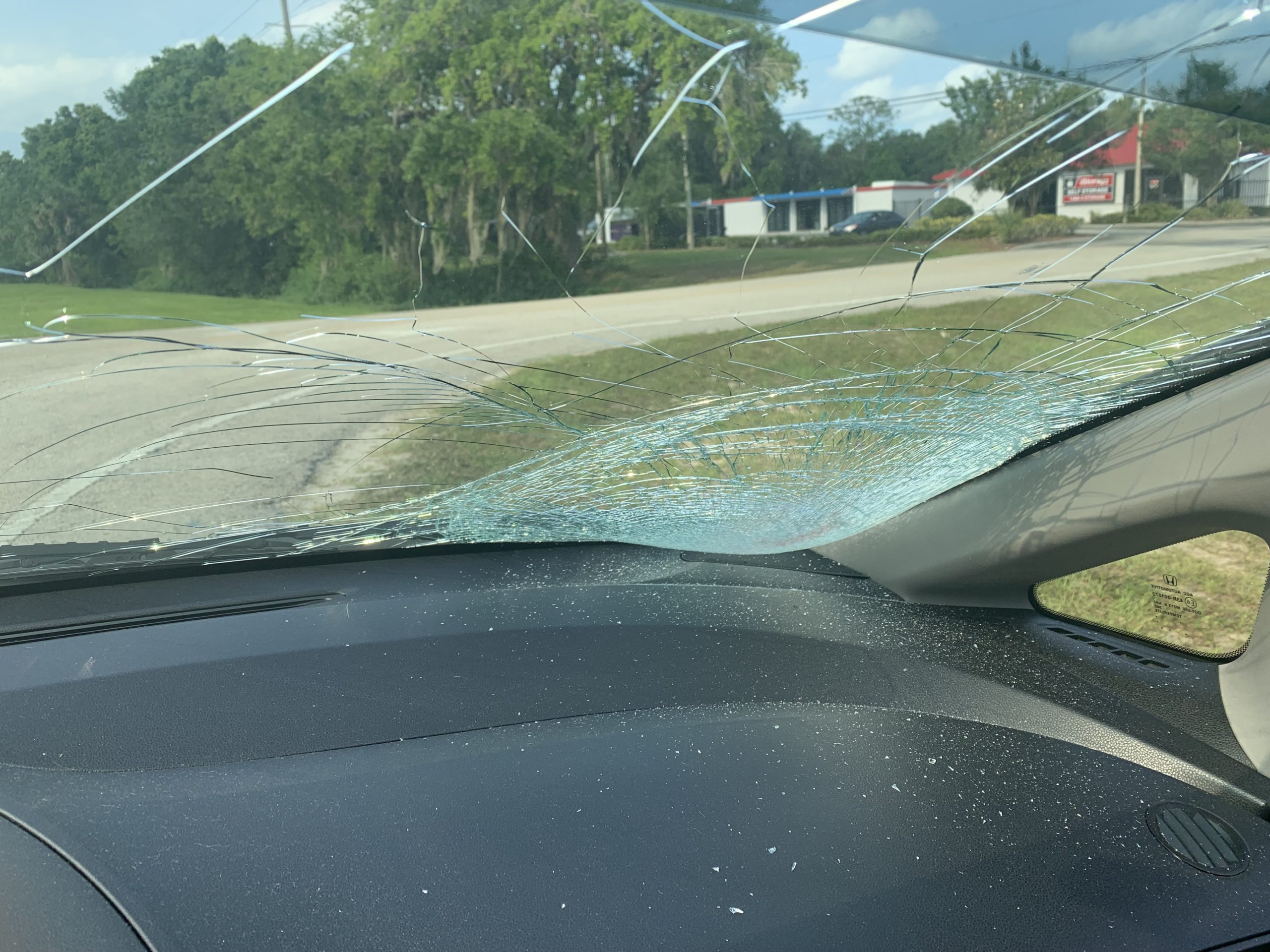
Yesterday afternoon I was driving along a rural Florida highway just minding my own business when a single solitary fish scale appeared on my windshield.

I’m no detective, but curiosity got the better of me. Where did this fish scale come from? And how did it get on my windshield?

So I quickly I pulled over to investigate. I walked along the highway looking for clues.

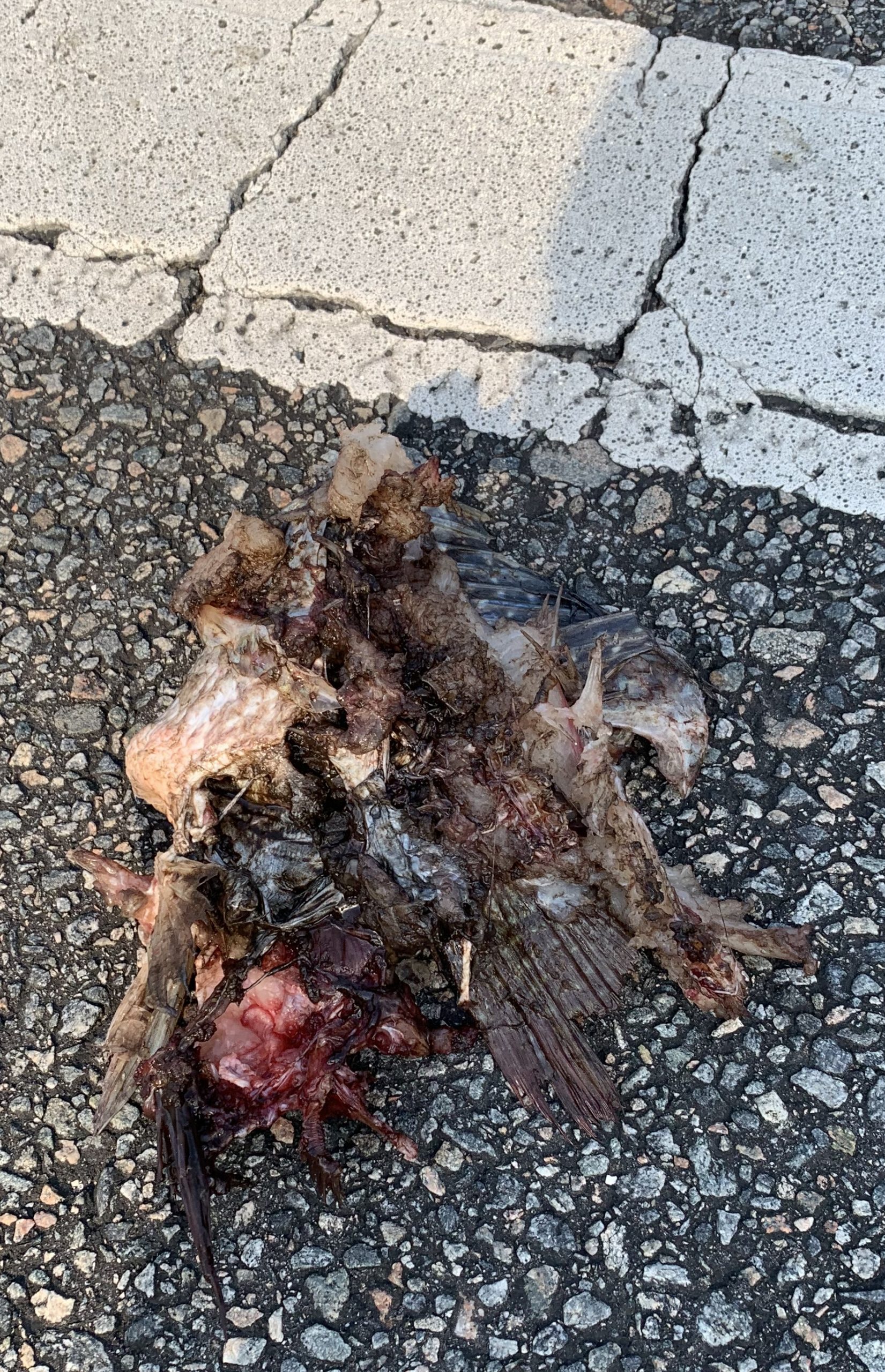
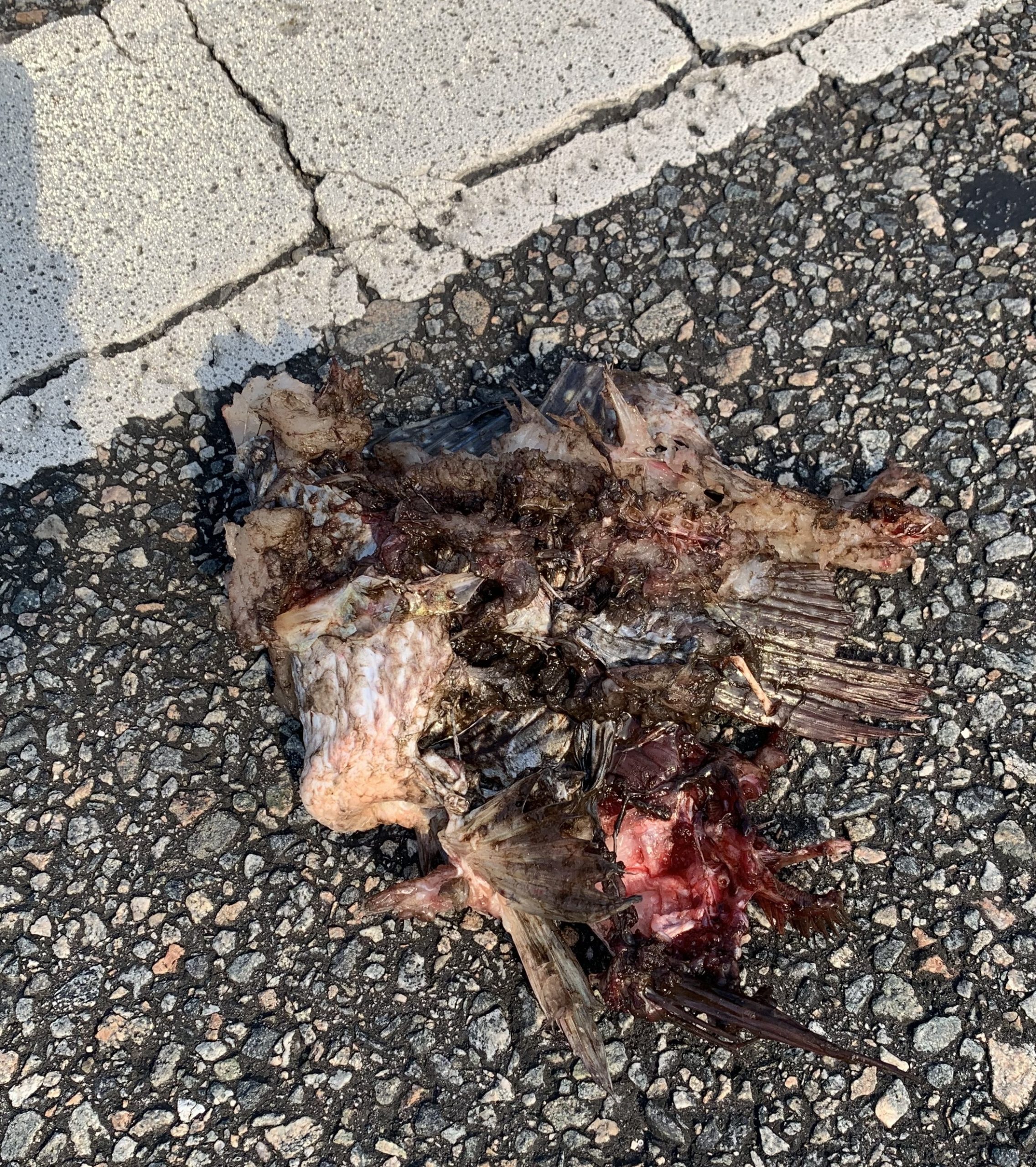
All I found was a small mess of unidentifiable carcass lying on the road. It was fairly mangled, but I could clearly make out a few fish parts. Like fins. And tail. And meat.

So I quickly deduced that the fish scale which had suddenly appeared on my windshield had somehow come from this mangled mess of fish carcass.

But how?

And why?

I was at a complete loss.

Maybe you can help me solve this strange and complex mystery.

Below are some photos of the fish scale as it appeared on my windshield.

Now that I think about it, I did notice a big bald eagle launch out of a tall tree and fly overhead while I was walking back to my car after finding that mangled fish carcass.

Again, I’m no detective. But all clues seem to point to the following:

One, that this big bald eagle hates me.

And two, that he’s a really good shot!

Thanks for your interest!

Follow me for even more crack investigative work!

Kurt

Restoration of a vintage 8mm film projector

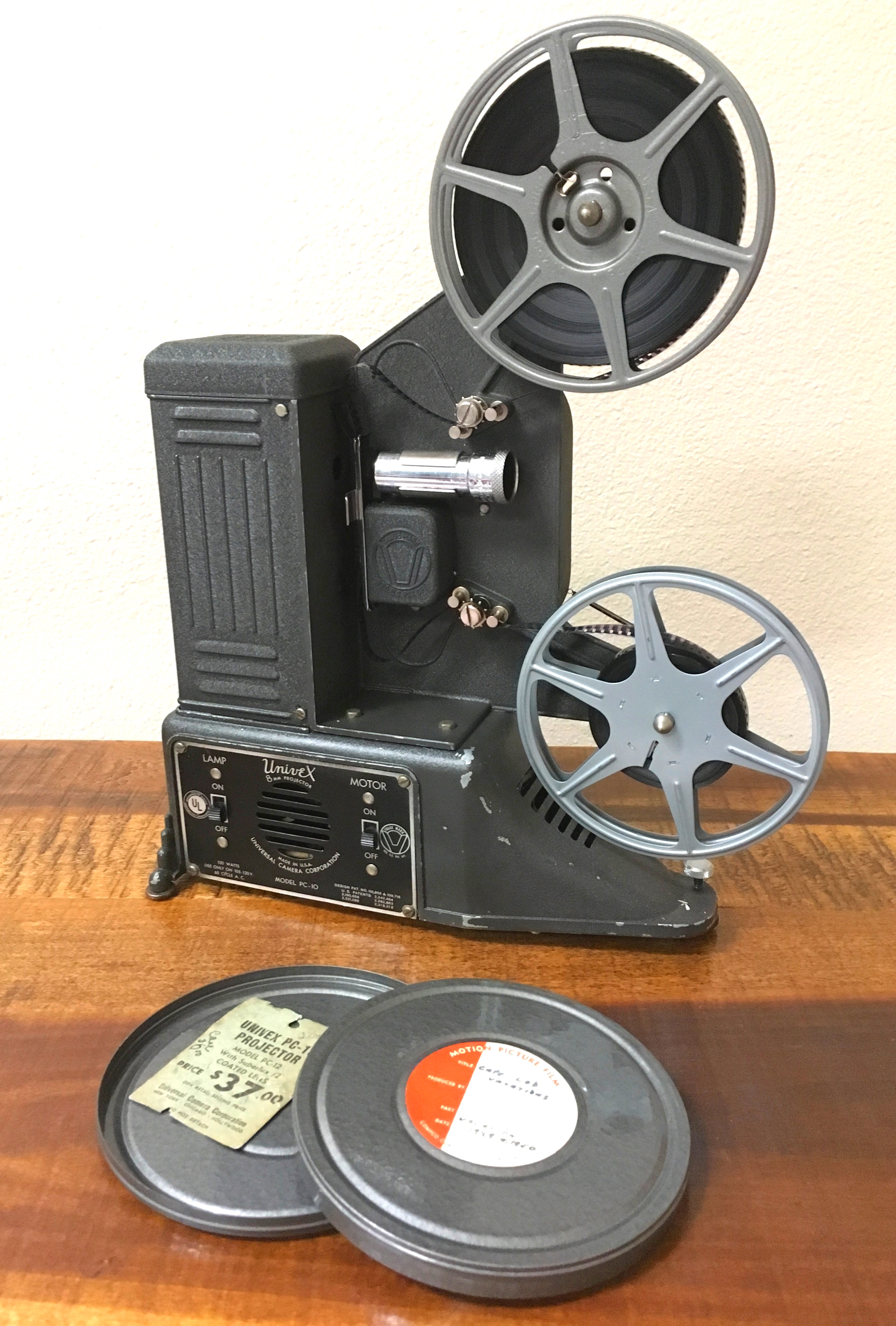
A few months ago, my wife and I found this beautiful old 8mm film projector at an antique flea market on Florida’s Gulf Coast. And it was very reasonably priced too. We thought it would look great displayed in our living room, and we were right!

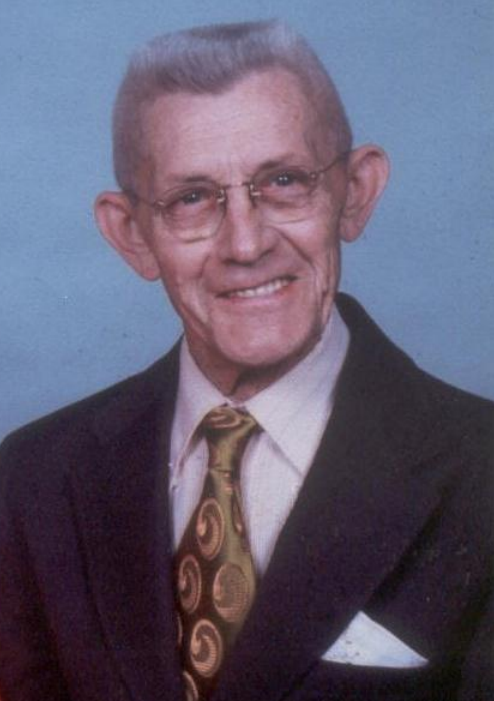
This vintage projector reminds me of my grandfather, Kurt William Leucht, who came to America when he was 18 years old from Germany. Grandpa Leucht was very artistic and creative. As an adult, he got really into making home movies with his family and with his friends. So my family has quite a bit of old 8mm film from my grandpa.

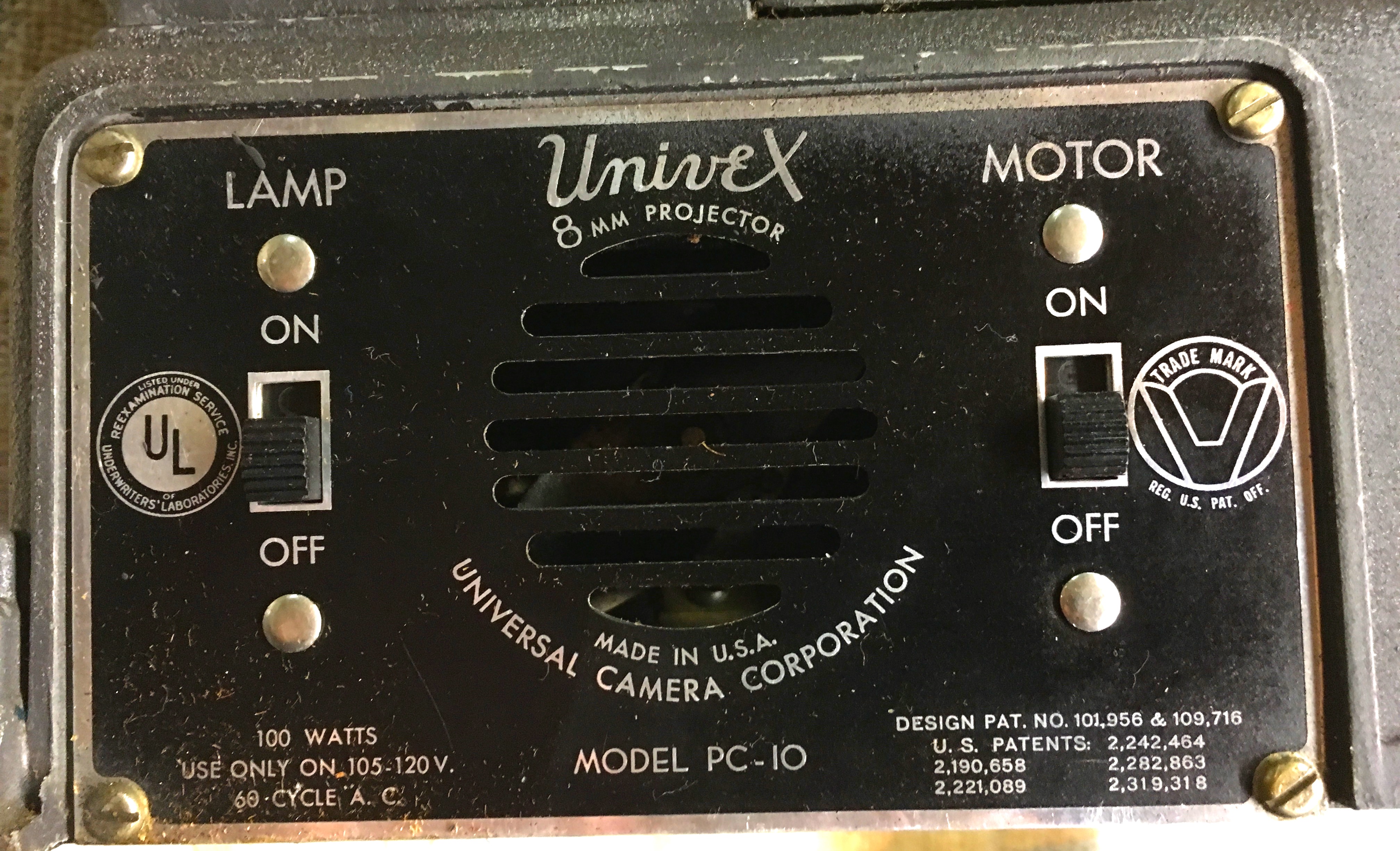
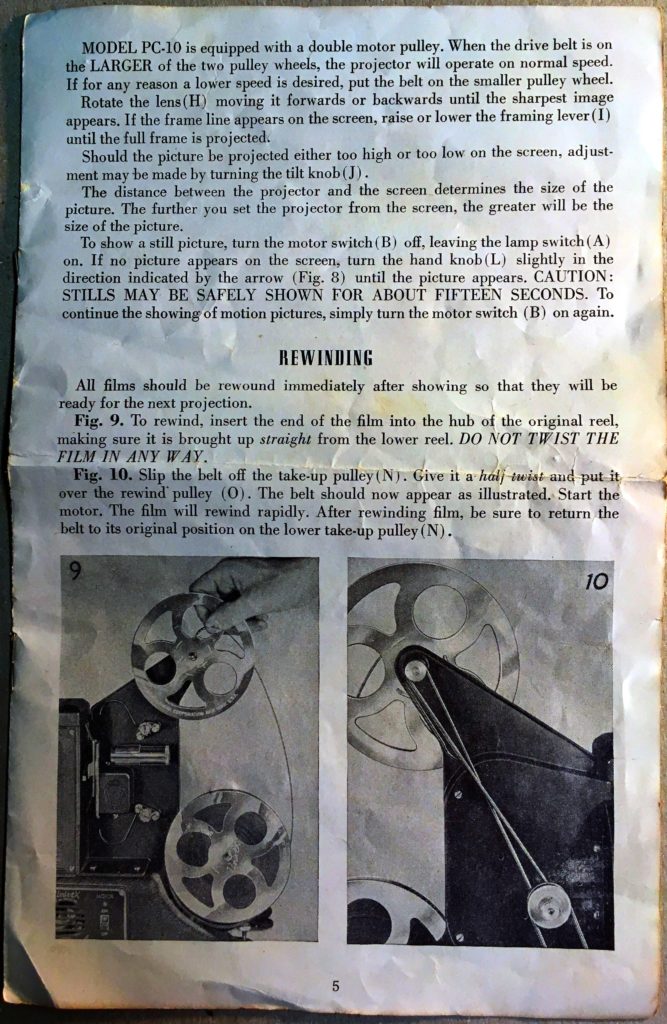
This projector is a a Univex model PC-10. There is no manufacture date on the unit. Most online references say that these were manufactured in the 1930s, but I found one site that claims manufacture in 1947. My grandpa was 51 years old in 1947, so he could have actually owned a projector like this one.

The power cord was rubber and in very good shape, so I assume it had been replaced since the original cords were fabric covered. The motor worked fine and the lamp could not be tested since the bulb was burned out. I ordered a replacement bulb (BWY) online and it worked perfectly!

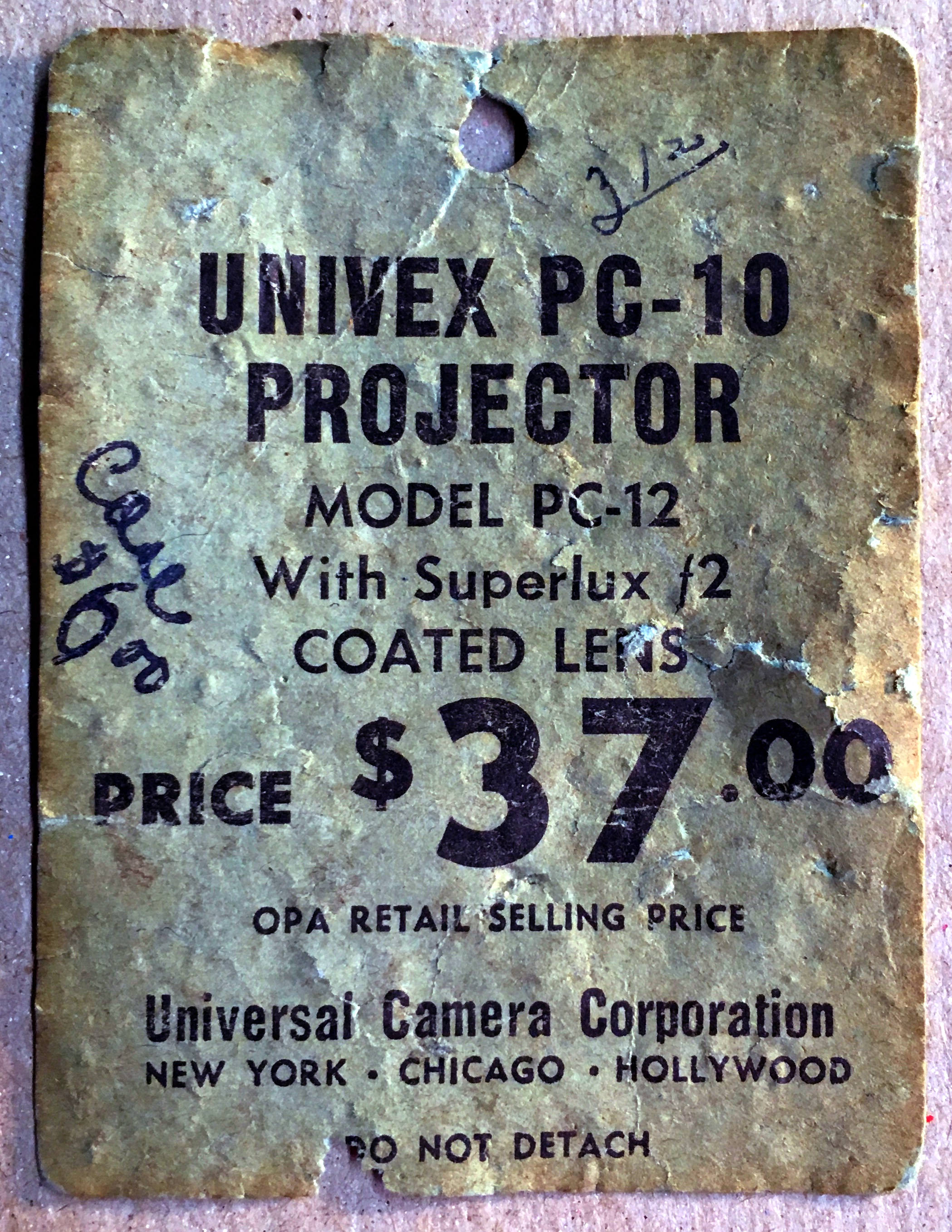
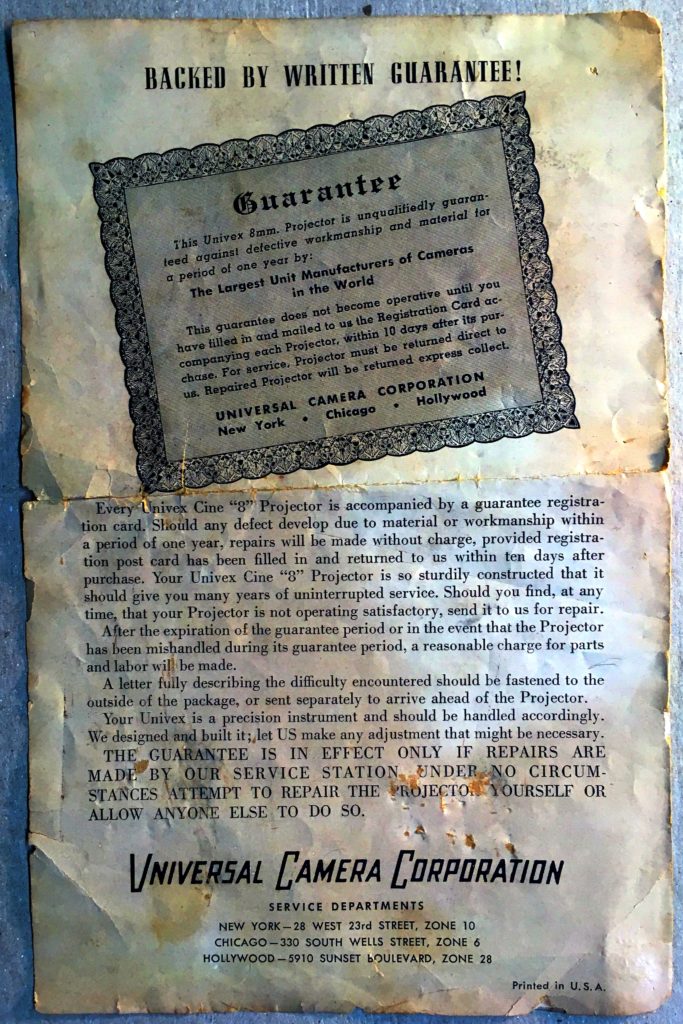
Surprisingly, this projector came with the original price tag from the manufacturer, Universal Camera Corporation! Universal Camera Corporation was founded in 1932 in New York. It manufactured still cameras, film, movie cameras, and binoculars until 1952, when the company declared bankruptcy. If we assume 37 bucks was the 1947 price, that would make the 2019 price close to $420.

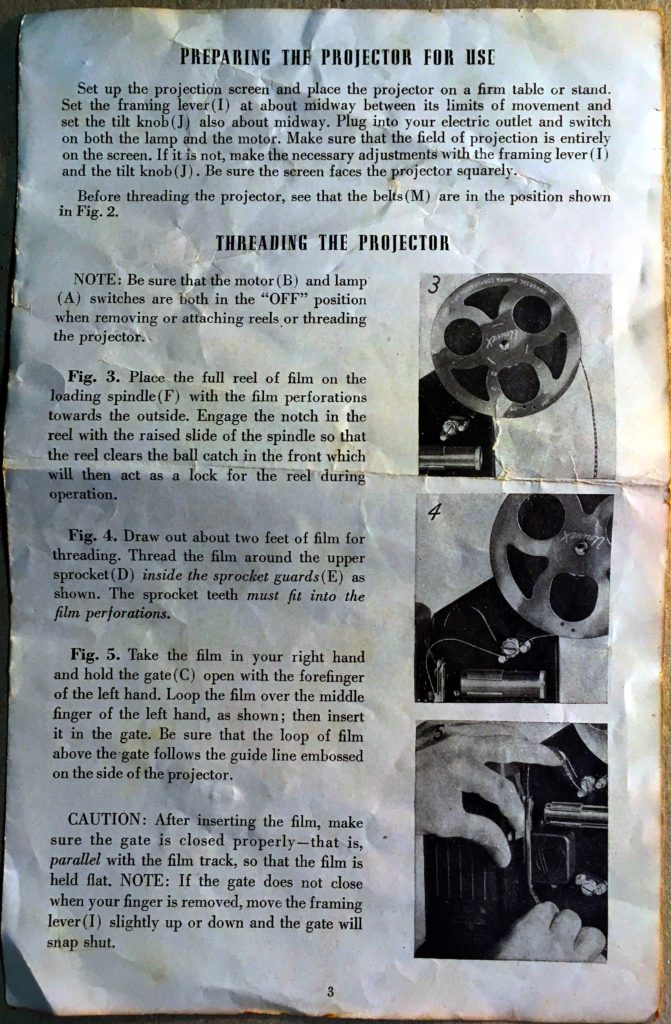
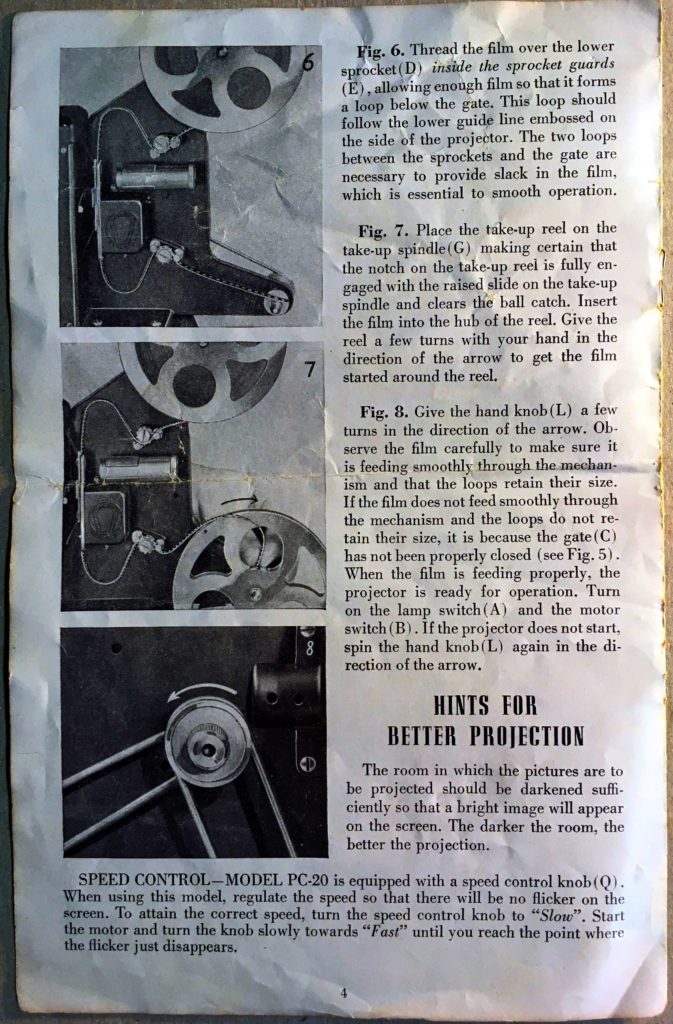
This projector is actually pretty simple to understand. The sprocket at the top pulls the film off the reel and the sprocket at the bottom feeds the film into the temporary take-up reel. In between those 2 sprockets, the film is fed into a spring loaded gate which guides the film past the lens and the projector light. The film gets fed past the lens using a finger like gear that flips the film quickly to the next frame and then pauses while a rotating window opens up to let the projector light through.

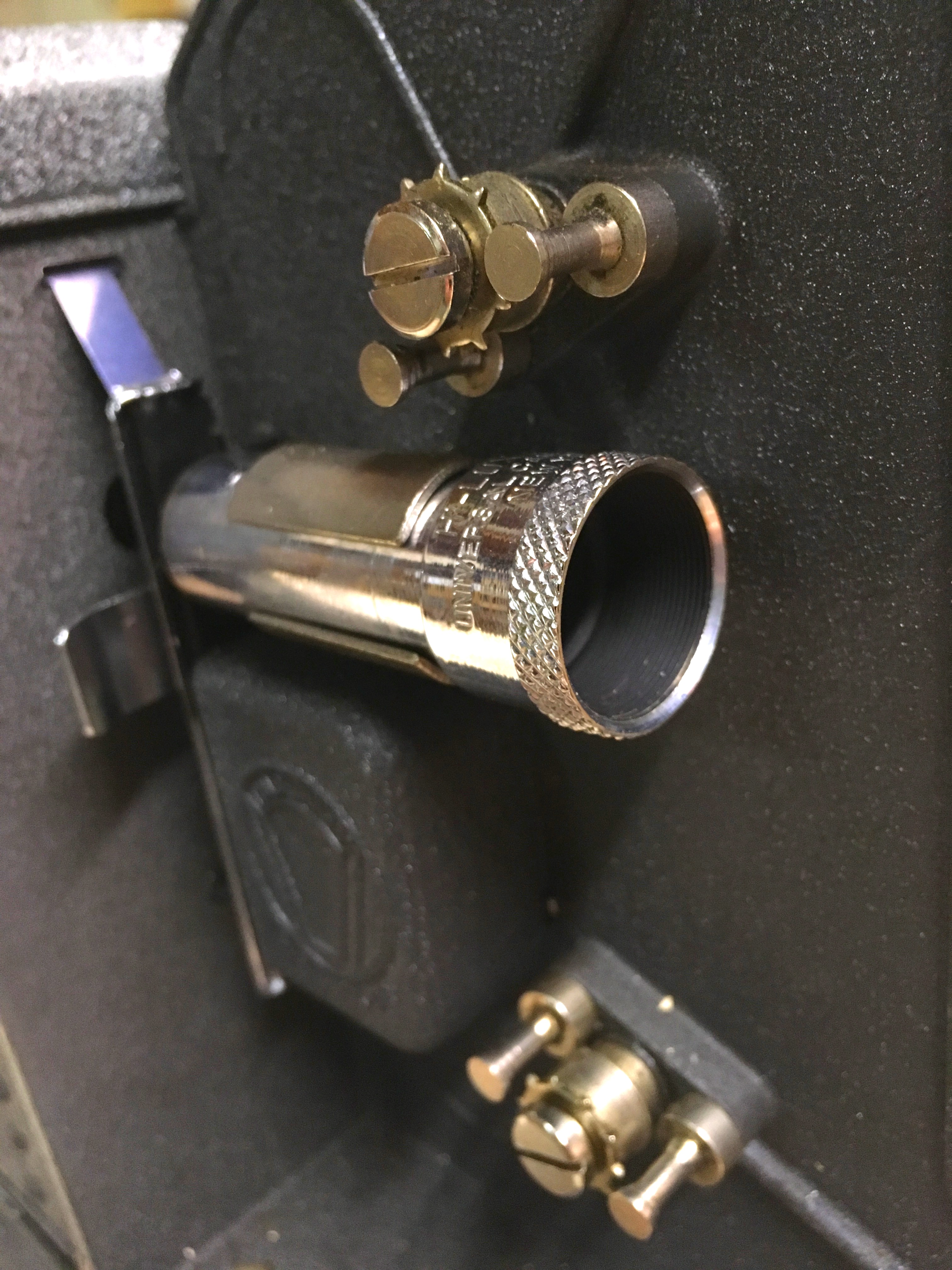
It’s really cool that the lens is only held in place by spring friction. This allows you to twist the lens ever so slightly while pulling it away from the film or towards the film to change focus. This design also allows the lens to be removed easily for cleaning.

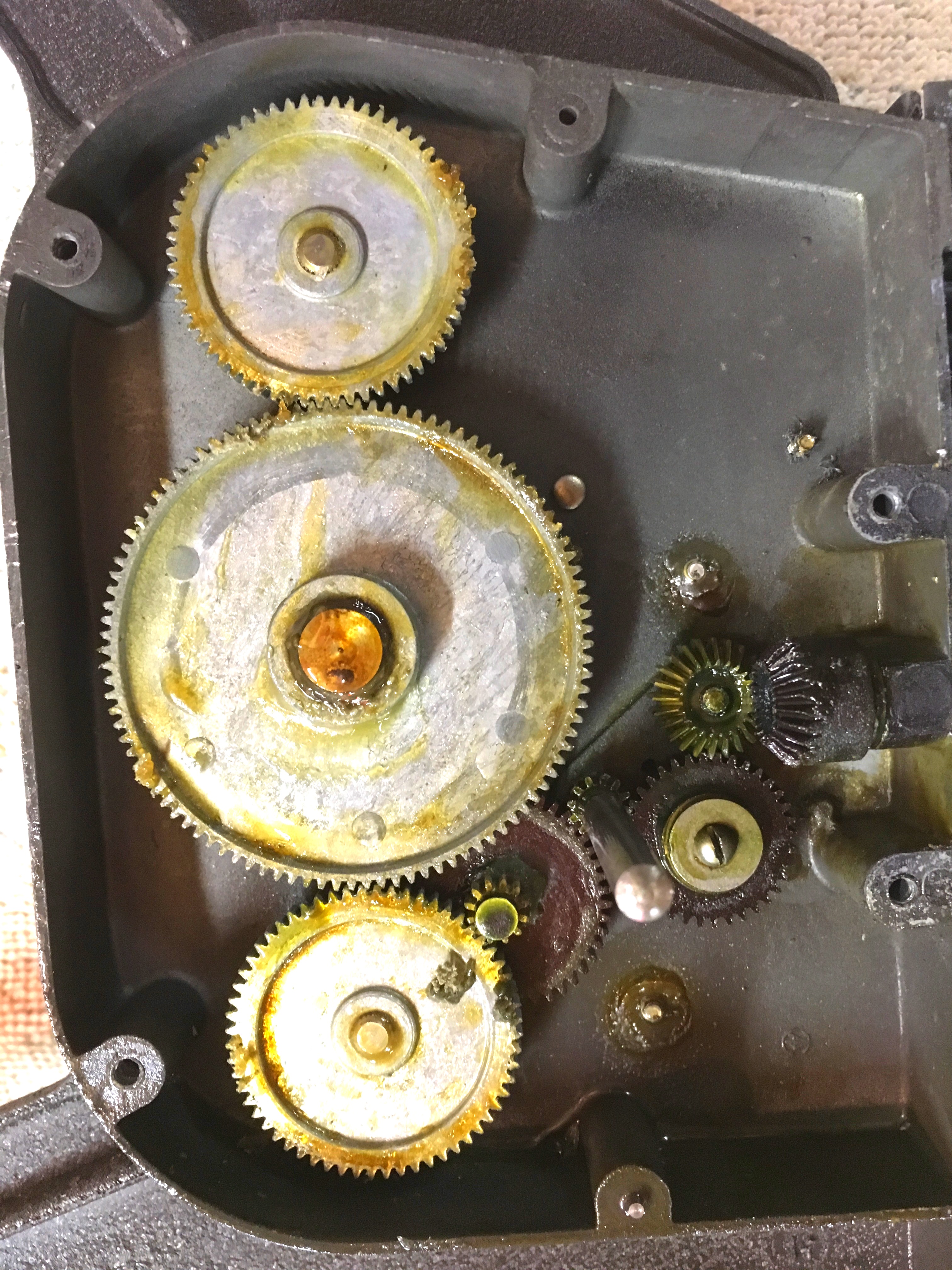
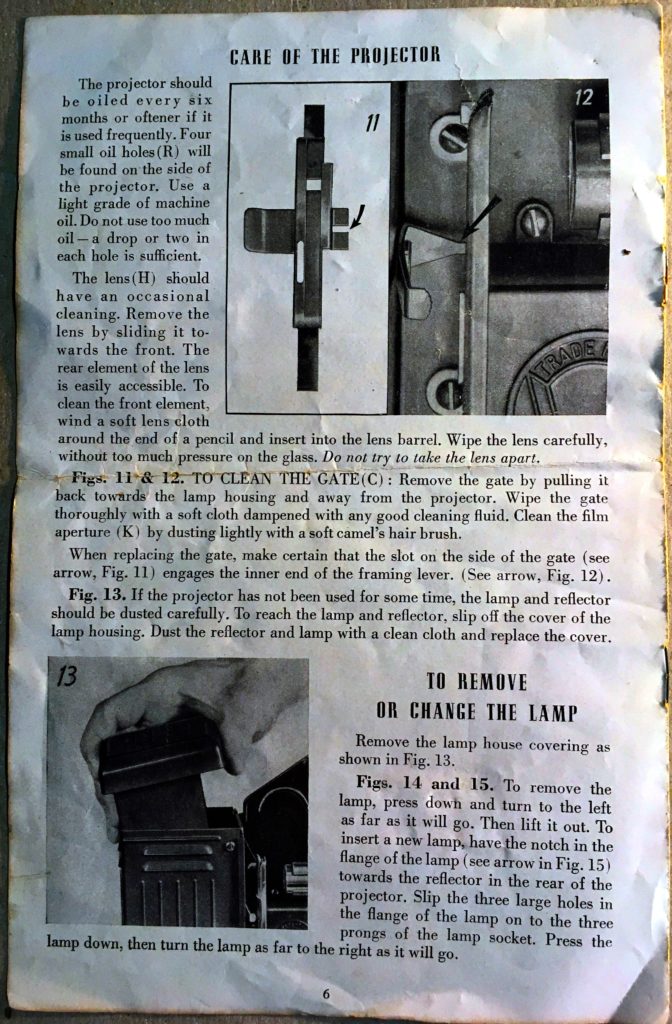
The internal gears were basically locked up due to aging and thickening of the original grease. But a single cover revealed the gear box and so I took apart each gear and cleaned and oiled them thoroughly.

Once the gears were all cleaned and oiled with a light machine oil, the projector worked perfectly! The two belts that run between the motor and the gearbox and take-up reel were made from flexible steel springs, so they were still in perfect shape. Had they been rubber or some other material, they wouldn’t have lasted 70+ years.

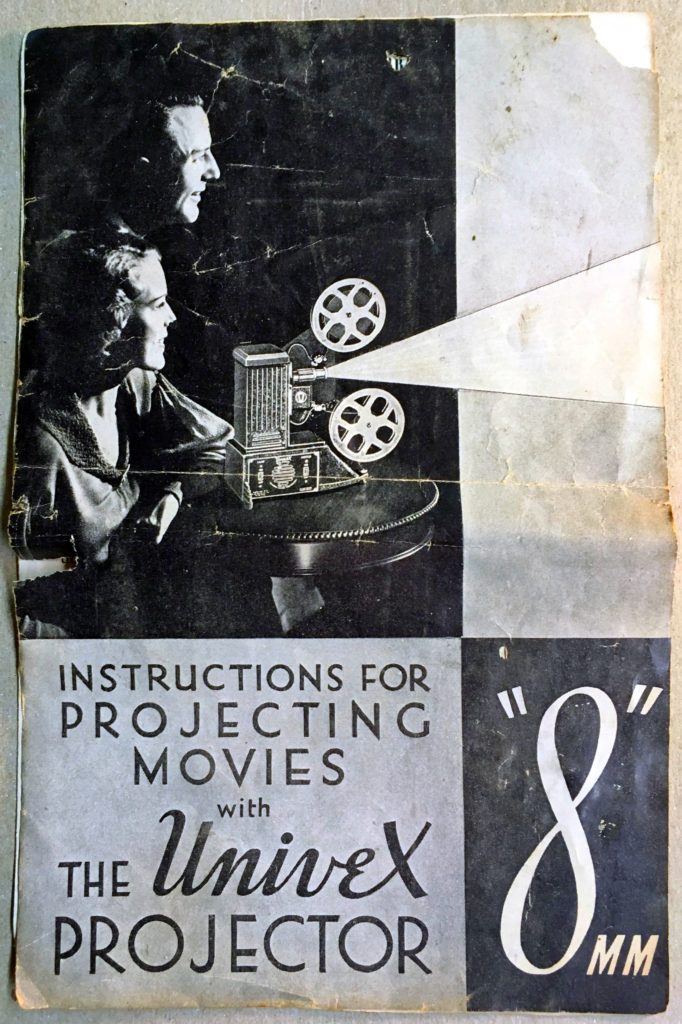
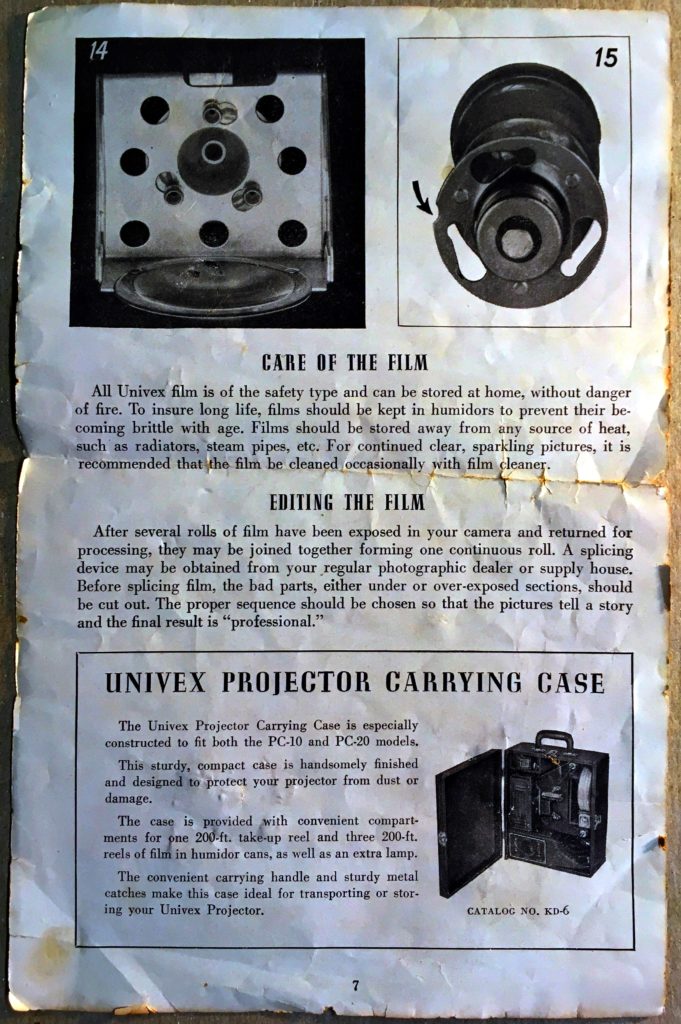
A complete instruction booklet came with this projector, although the pages were all separated from each other. My favorite old-timey phrase from this instruction booklet is “Read carefully the simple instructions which follow and you will add immeasurably to your pleasure.” Love it!

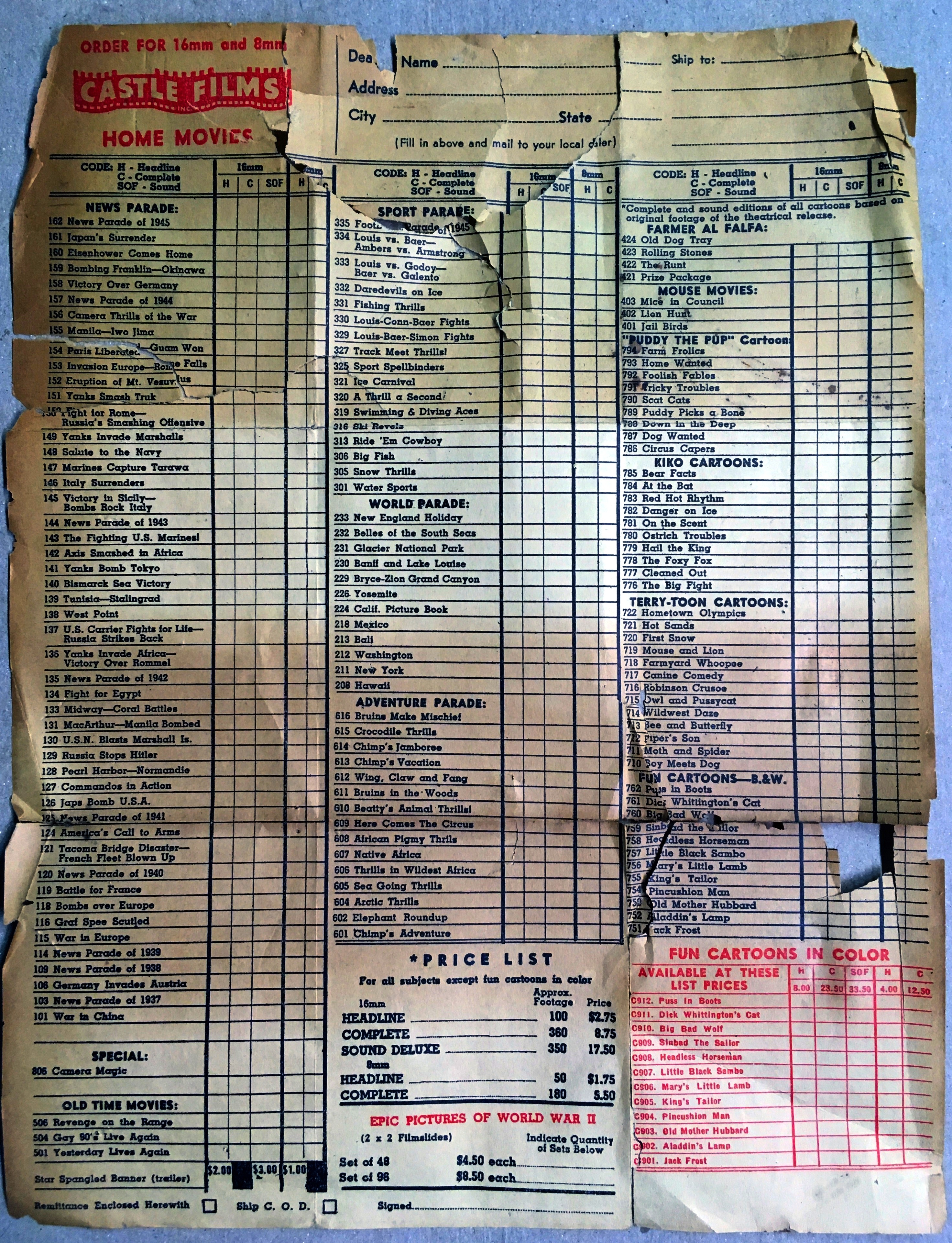
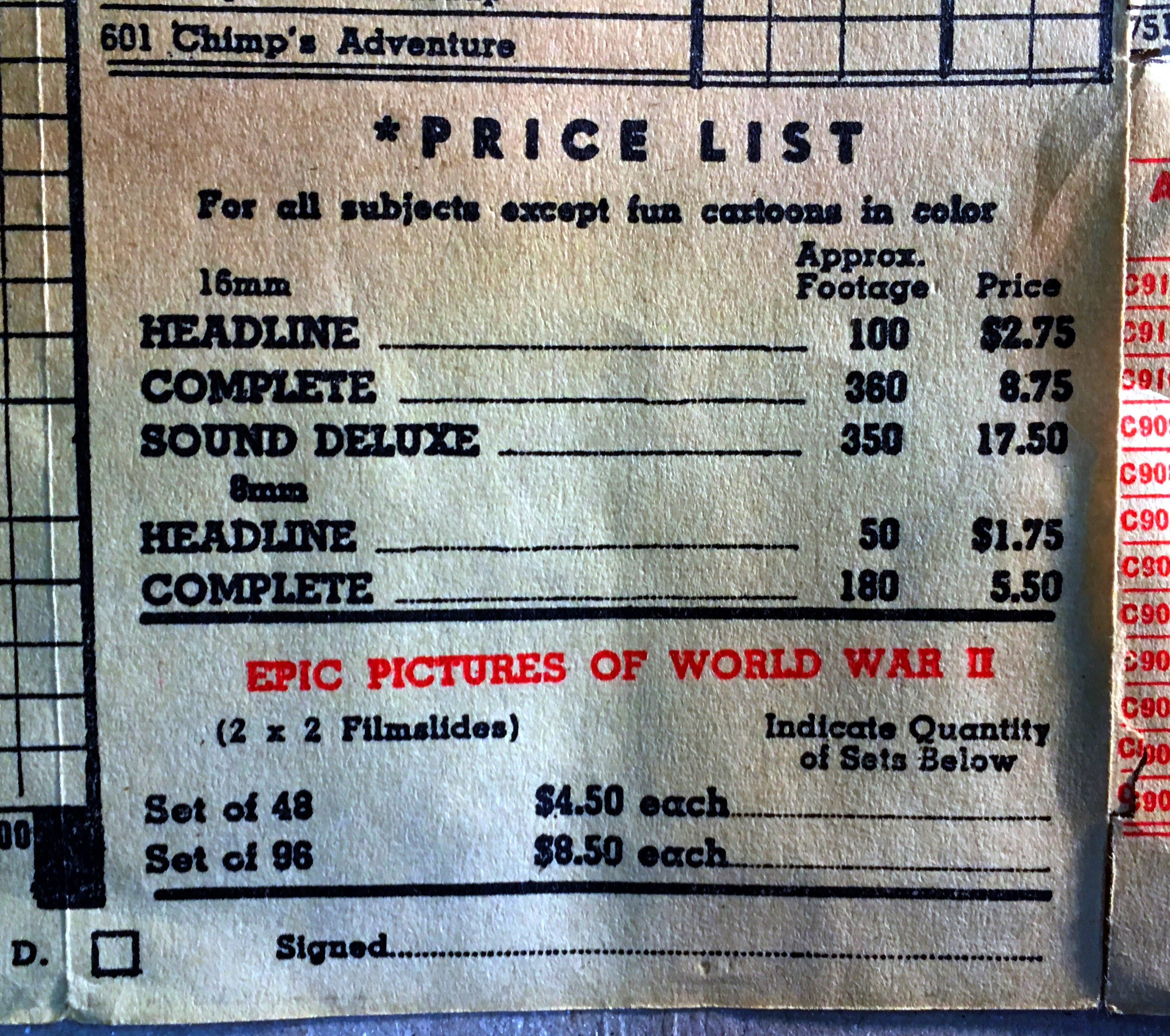
Another cool item that came with this projector was an old order form from 1946 that was used to order 8mm and 16mm films. That probably dates this projector to 1946. The film distributor was Castle Films, and the form just says to fill it out and mail the form to your local dealer. I’m assuming that local camera dealers probably kept the most popular reels in stock and ordered the rest as needed. Apparently Castle Films was pretty popular back in the day. My favorite old-timey phrase on this order form is “Remittance Enclosed Herewith”. Awesome!

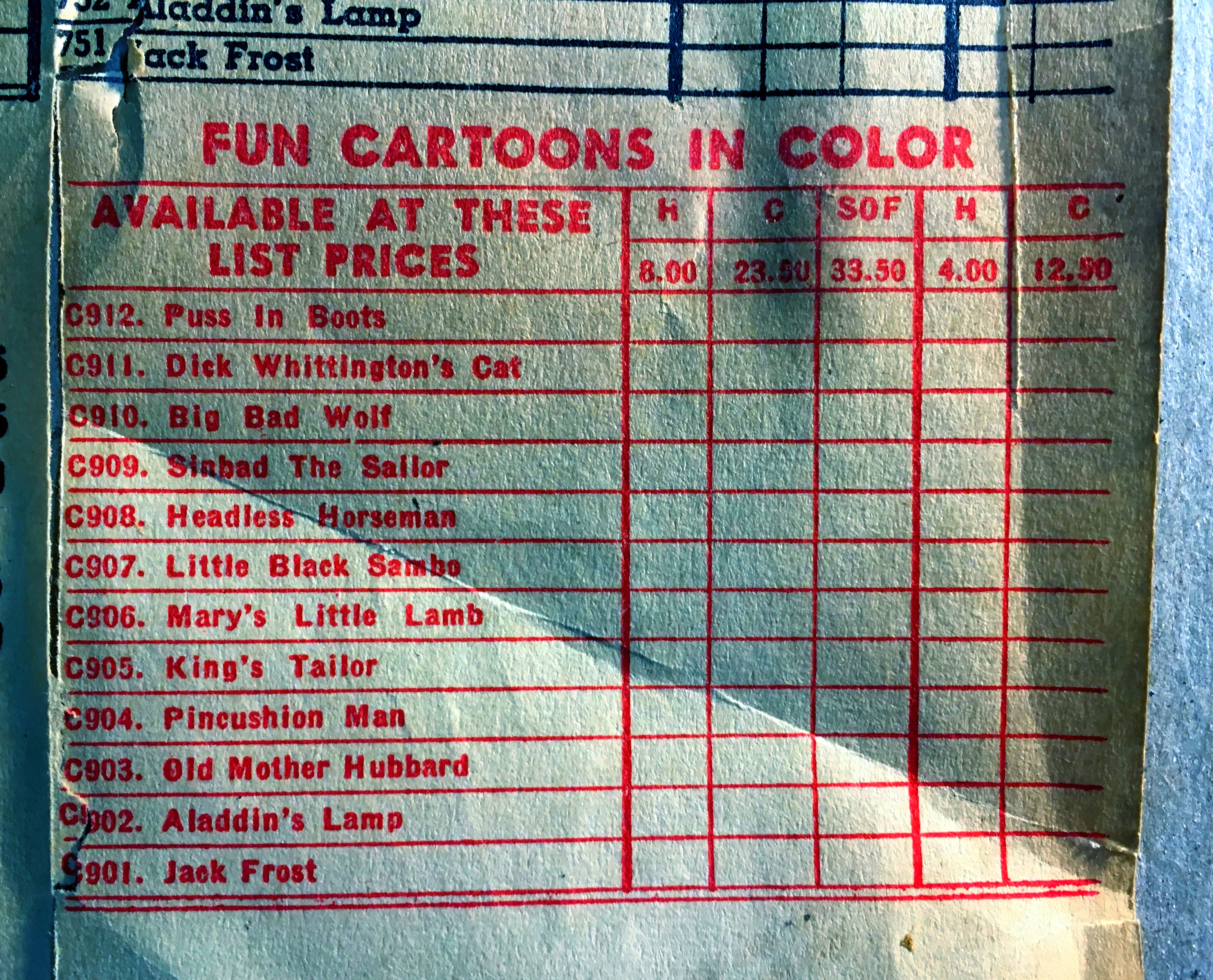
These film reels were all black and white except for a small selection of color cartoons.

These Castle Films reels cost $1.75 for a 50 foot headline reel and $5.50 for a 180 foot complete reel. That’s more than 22 bucks and 71 bucks in 2019 money! Castle Films are still popular today and you can buy them on eBay for reasonable prices. Although depending on storage, the condition may be far from ideal. Film that was stored in a hot attic for 50 years will be brittle and will completely fall apart on you.

Thanks for your interest!

Kurt
How to make an awesome eclipse viewing rig!

Do you own binoculars?

Do you own a tripod?

If your answer to both of these questions is YES, then you have what it takes to create a pretty awesome, and completely safe, eclipse viewing rig!

Here are the step by step instructions!

Step 1

DO NOT look through the binoculars!  That is very very dangerous!

Step 2

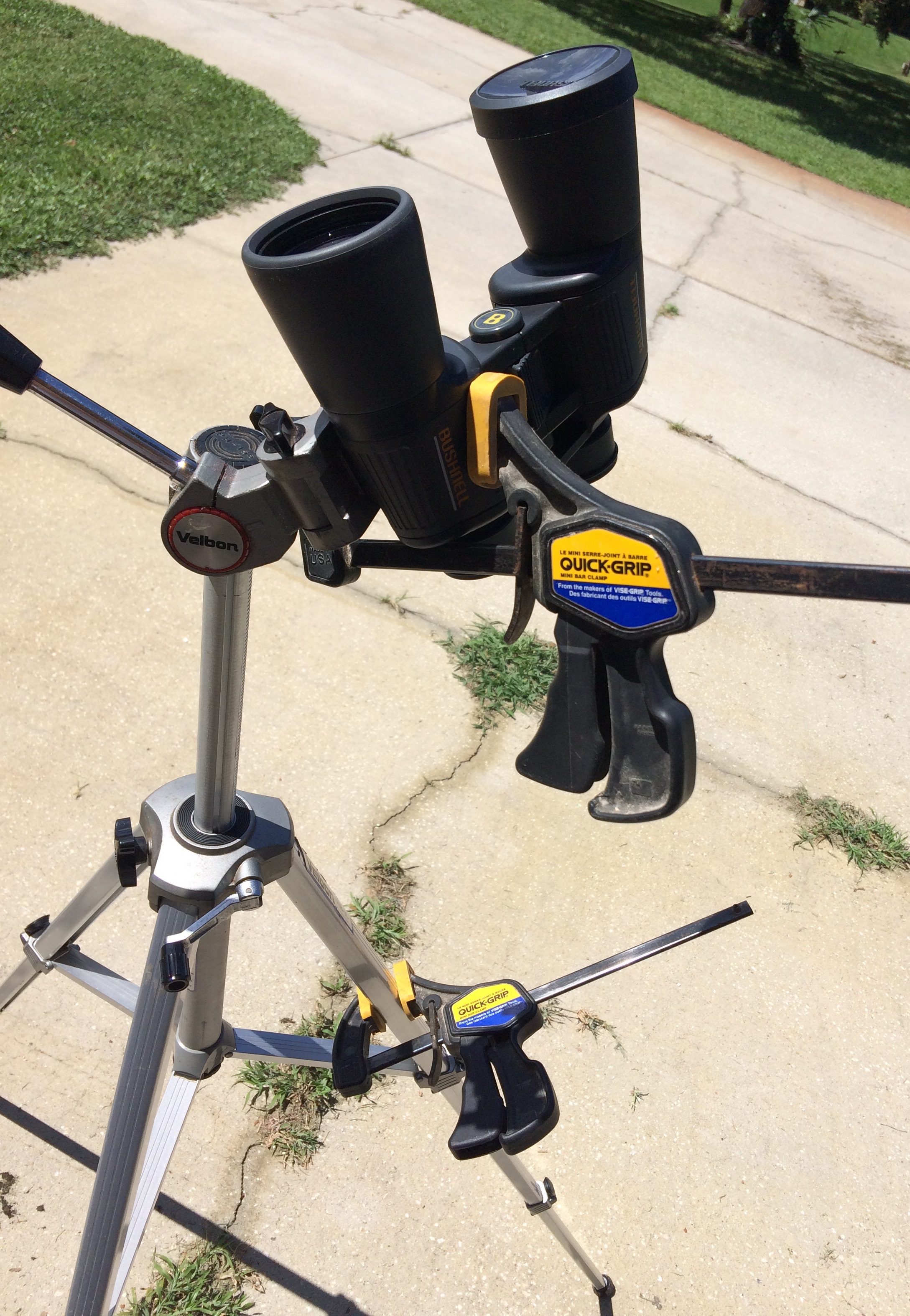
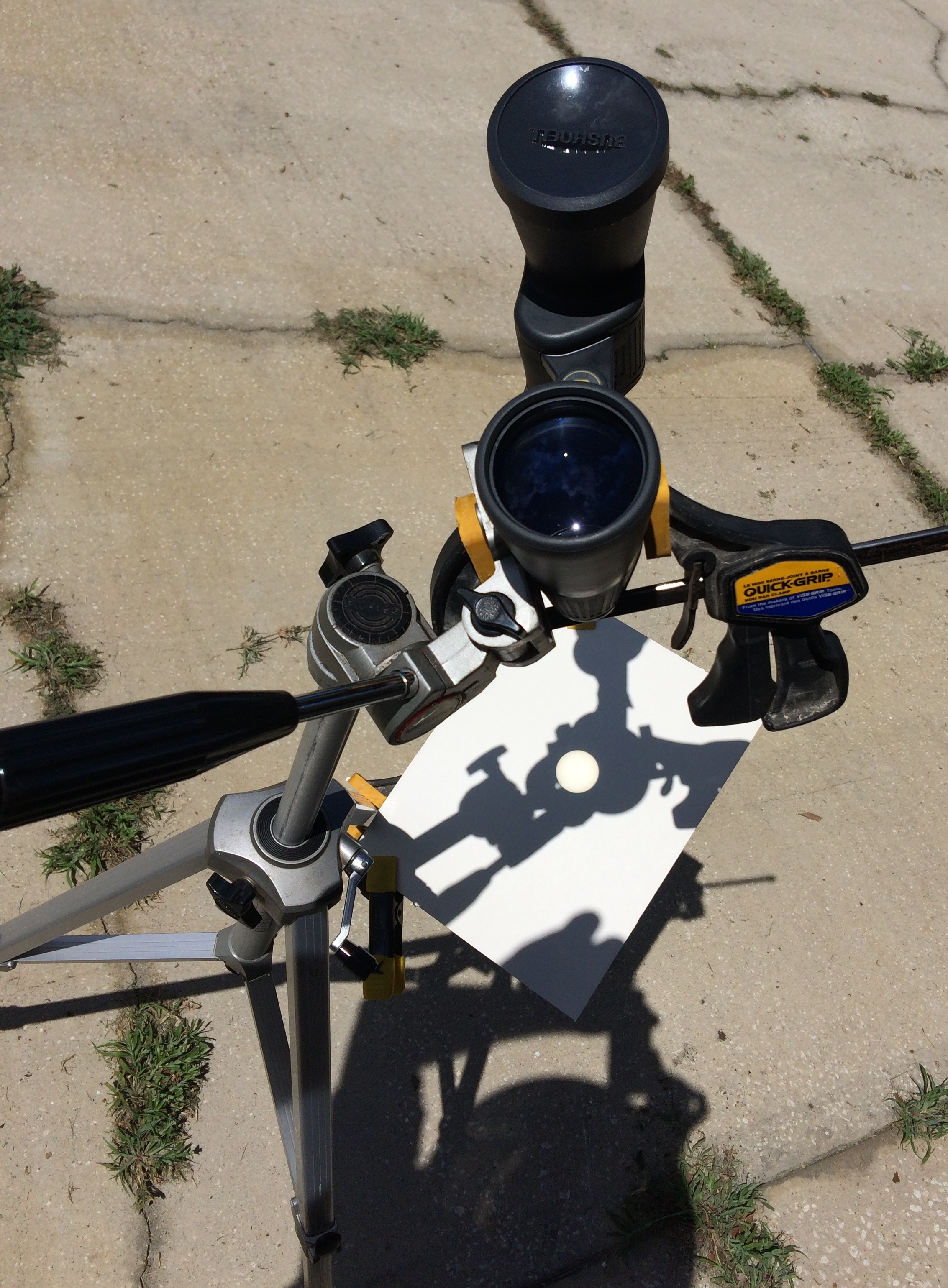
Attach your binoculars to your tripod using any means necessary.  I used wood clamps but duct tape also works pretty good.  (Although it leaves a sticky residue.)

Step 3

NEVER EVER EVER look through the binoculars! You will destroy your retinas!

Step 4

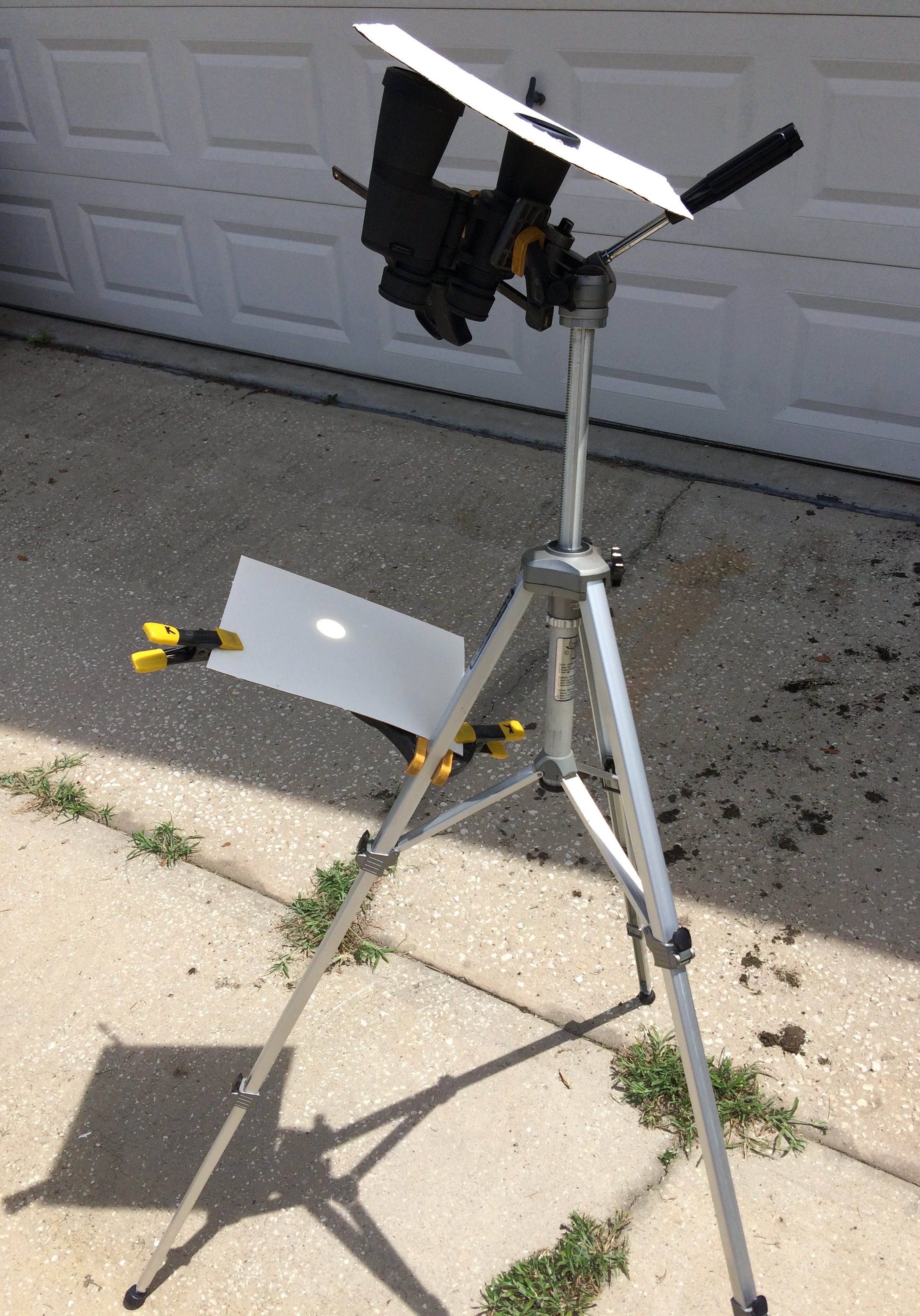
Attach white paper or white cardboard a foot or so directly below the binoculars, with the binoculars pointing in the direction of the sun.  Again, I used wood clamps, but duct tape can also do this job.

Step 5

DON’T EVEN THINK about looking through the binoculars!  That’s a completely stupid idea!

Step 6

Cut a hole in some cardboard and place it over the binoculars to create a shade panel.  Now only the sun will be projected onto the white paper below the binoculars.  You can use the binocular’s focus capability to get the sun into perfect focus on the paper.

Step 7

That’s all.  There are no further steps.  Other than to NEVER look at the sun.  ESPECIALLY through binoculars.

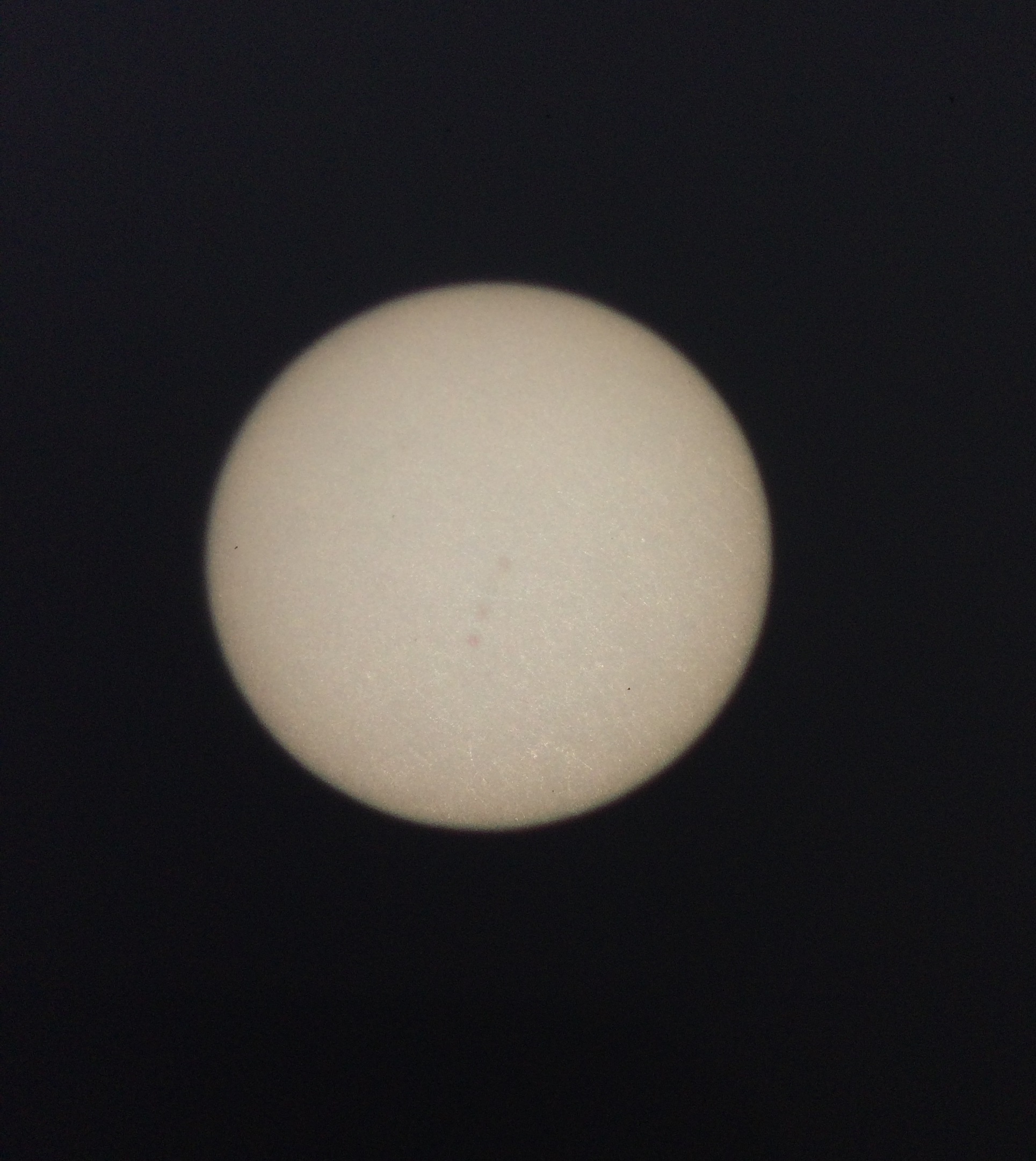
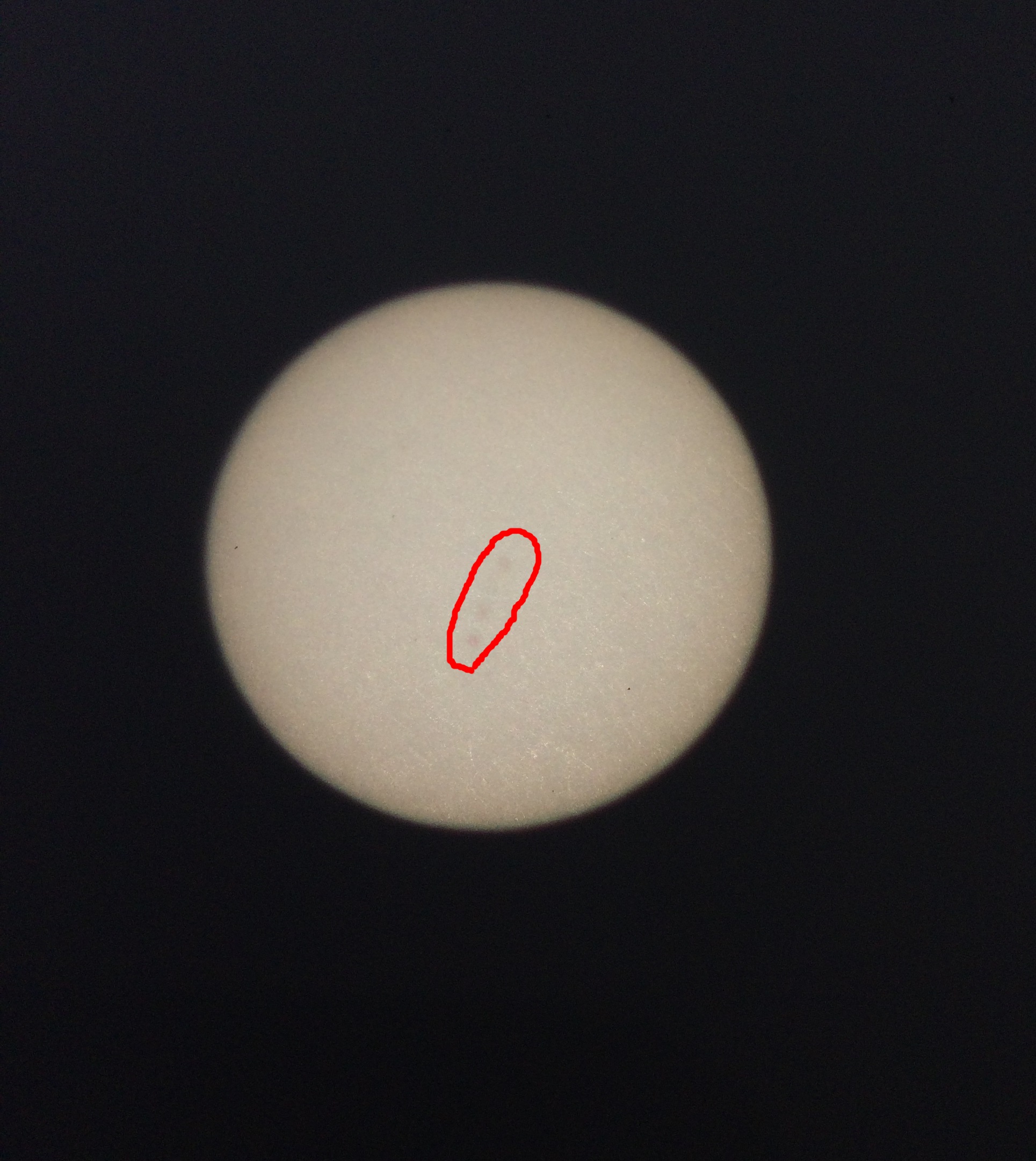
Here is what the sun looked like today while I was setting up and testing my rig.  It looked really cool when thin wispy clouds flew by!

To get this photo, I just held up my iPhone very close to the white paper, white balanced on the center of the white sun image by clicking on it with my finger and snapped this photo.

It looks even better with the naked eye!

If you look closely, you can see three sunspots!  Amazing!

Thanks for your interest!  And remember to never look at the sun!  Especially through binoculars!

Feel free to share this post on your favorite social media accounts!

Kurt
Sunday August 20th update:

This blog post appears to be going a bit viral this morning!  Thank you to everyone who has shared it!  I’m happy that so many people find it useful!

I will gladly share your eclipse photos here!  If you make your own eclipse viewing rig using binoculars, put your eclipse photos and videos online (Flickr, Facebook, YouTube, Dropbox, etc.).  Then contact me using the “Email Us” link at the bottom of this website!  Give me the link to your media and tell me what city and state you were in and I will post thumbnails and links right here in this blog post!

Photos and Videos from all over the country!

From [name goes here] in [city, state]:

[image thumbnail with link to original hosted on another site]

From [name goes here] in [city, state]:

[image thumbnail with link to original hosted on another site]