Category Archives: Science, Space, Technology

Kurt was in “F1: The Movie”

… for a split second. But it still counts! LOL!

I was a paid extra in the big new F1 film, Brad Pitt’s biggest film to date. I took time off my day job at NASA and I worked 3 full 12-hour-long days on the film.  I took part in filming during the Rolex24 race at the Daytona Speedway on January 25th, 27th, and 28th of 2024. I played the part of a racetrack photographer or journalist and I was placed into several scenes. Only one shot of me made it into the film though. And I can only be seen for a split second in the final cut.

I show up in the first 3 minutes of the movie when Brad Pitt is awoken in his van and then he walks from his van to the racetrack. This walking scene is at 6 minutes 27 seconds in the following “Making of F1 The Movie” featurette:

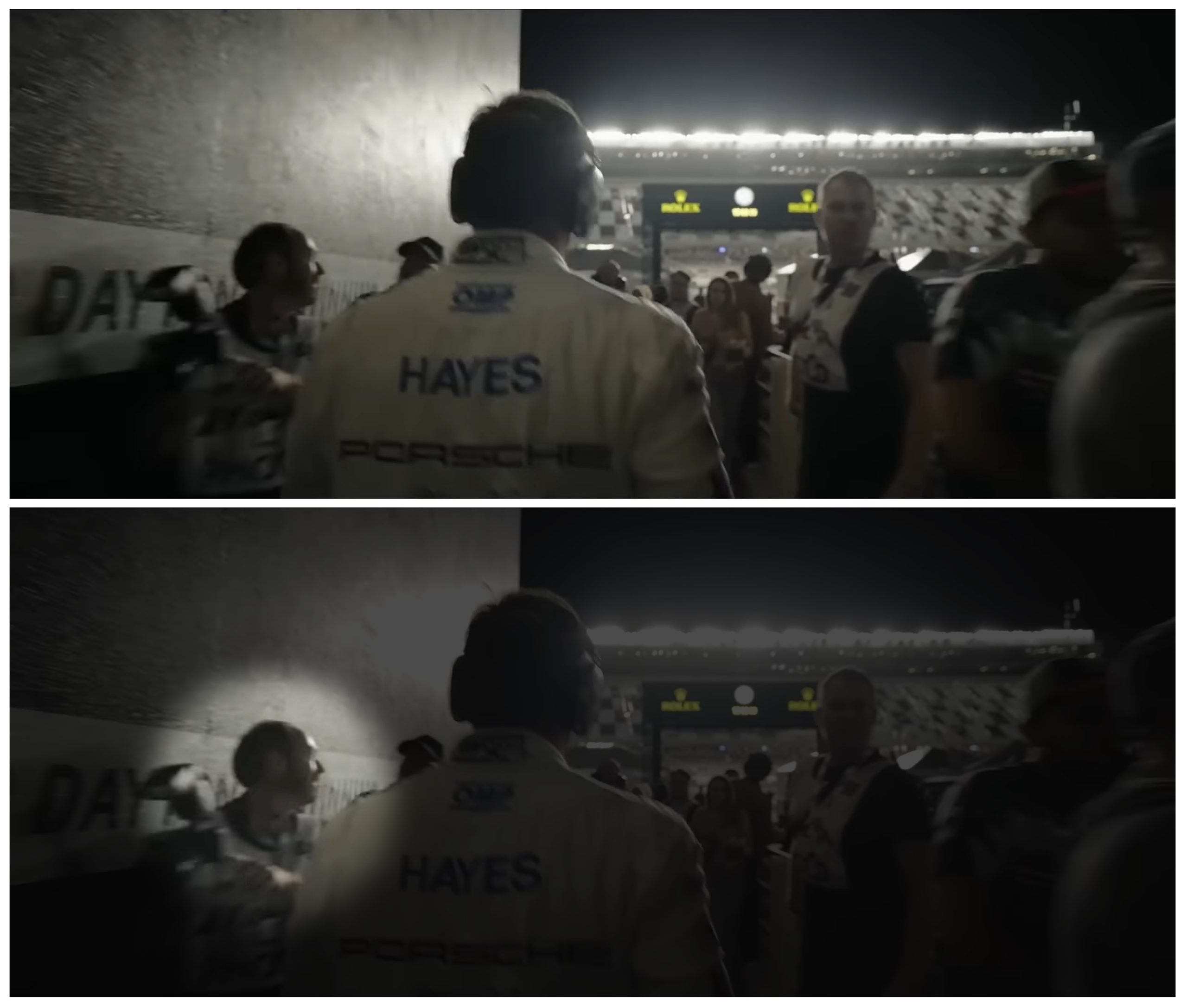
Brad is walking away from the camera and I am passing by and walking towards the camera. You can see me at the beginning of the walking scene with me passing by on Brad Pitt’s left side and exiting out of frame-left. It’s only a split second and it’s a very dark scene, so it’s not very easy to tell that it’s even me. Oh well.  I know it’s me and that’s what counts!

Here’s a screen grab from the featurette:
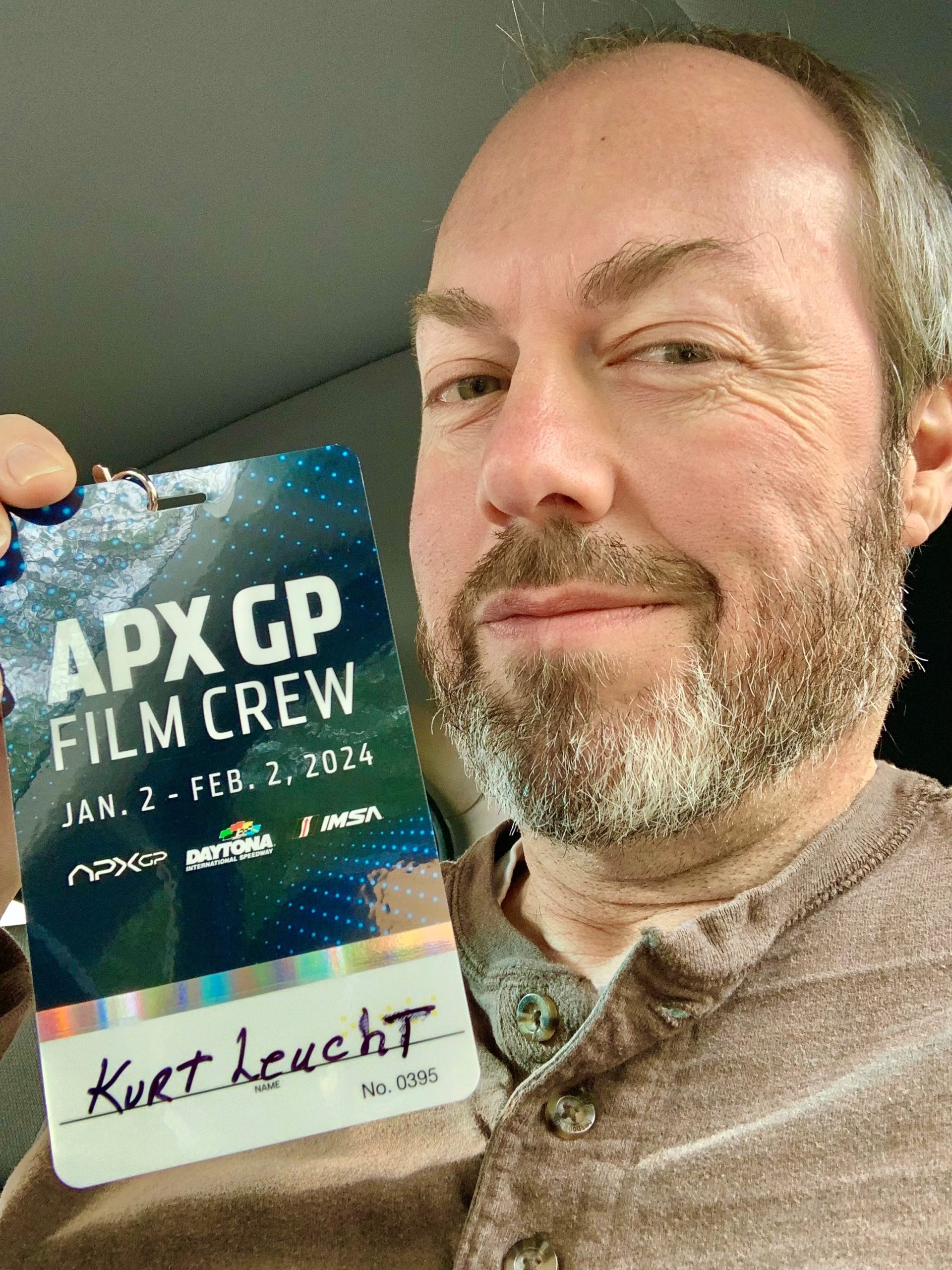
Here’s a photo from Day 1.  They gave us all these cool looking “Film Crew” passes.  Very nice.
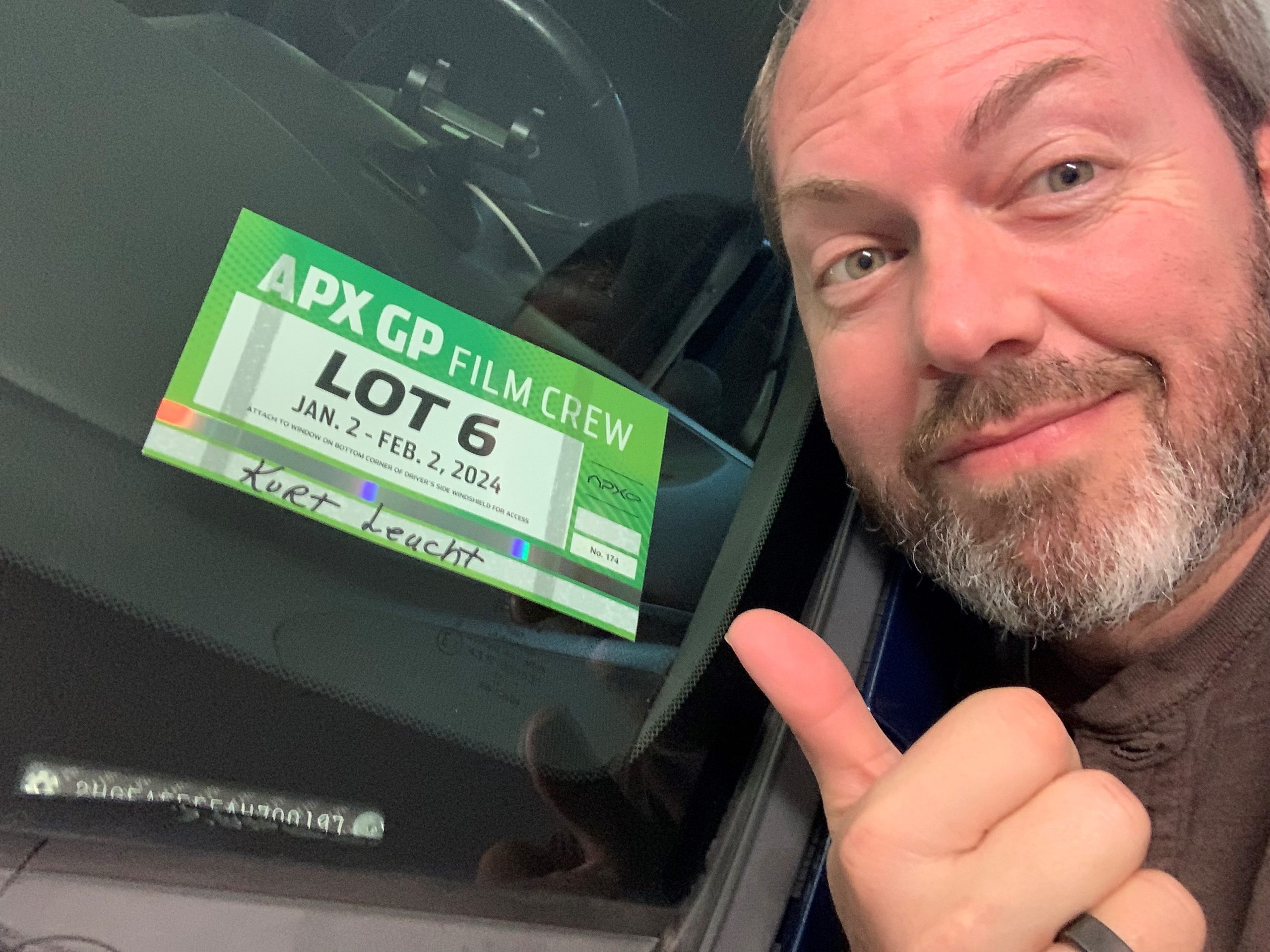
The parking pass was also pretty cool.  I left it on my car for more than a full year!
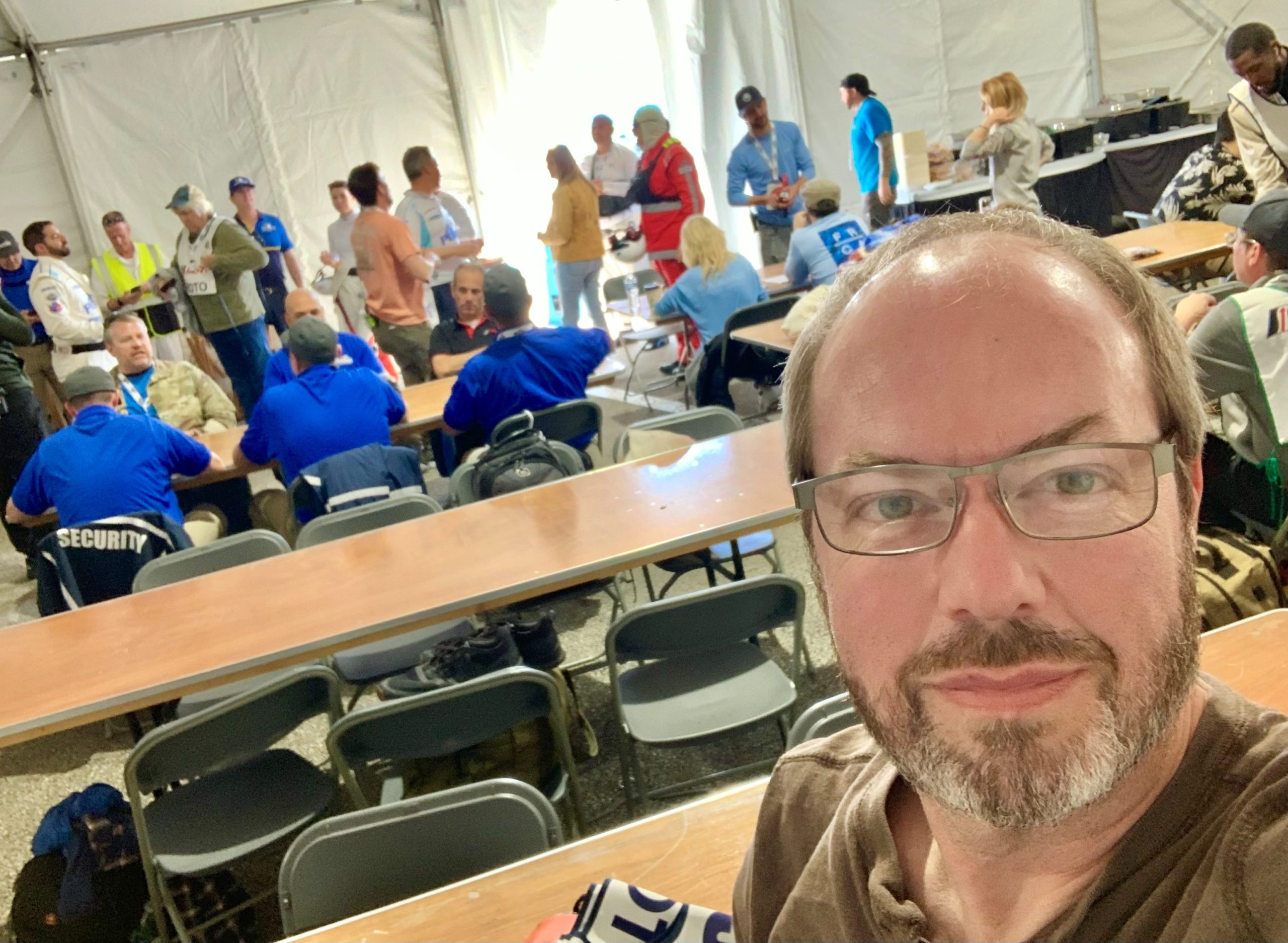
The background extras all checked in and hung out in a big tent that was set up in the infield of the Daytona Speedway.  Remember that the Rolex24 event was taking place all around us and was being used as part of the backdrop of the film.  It was a little crazy.  About half of this tent was also used by the wardrobe department.
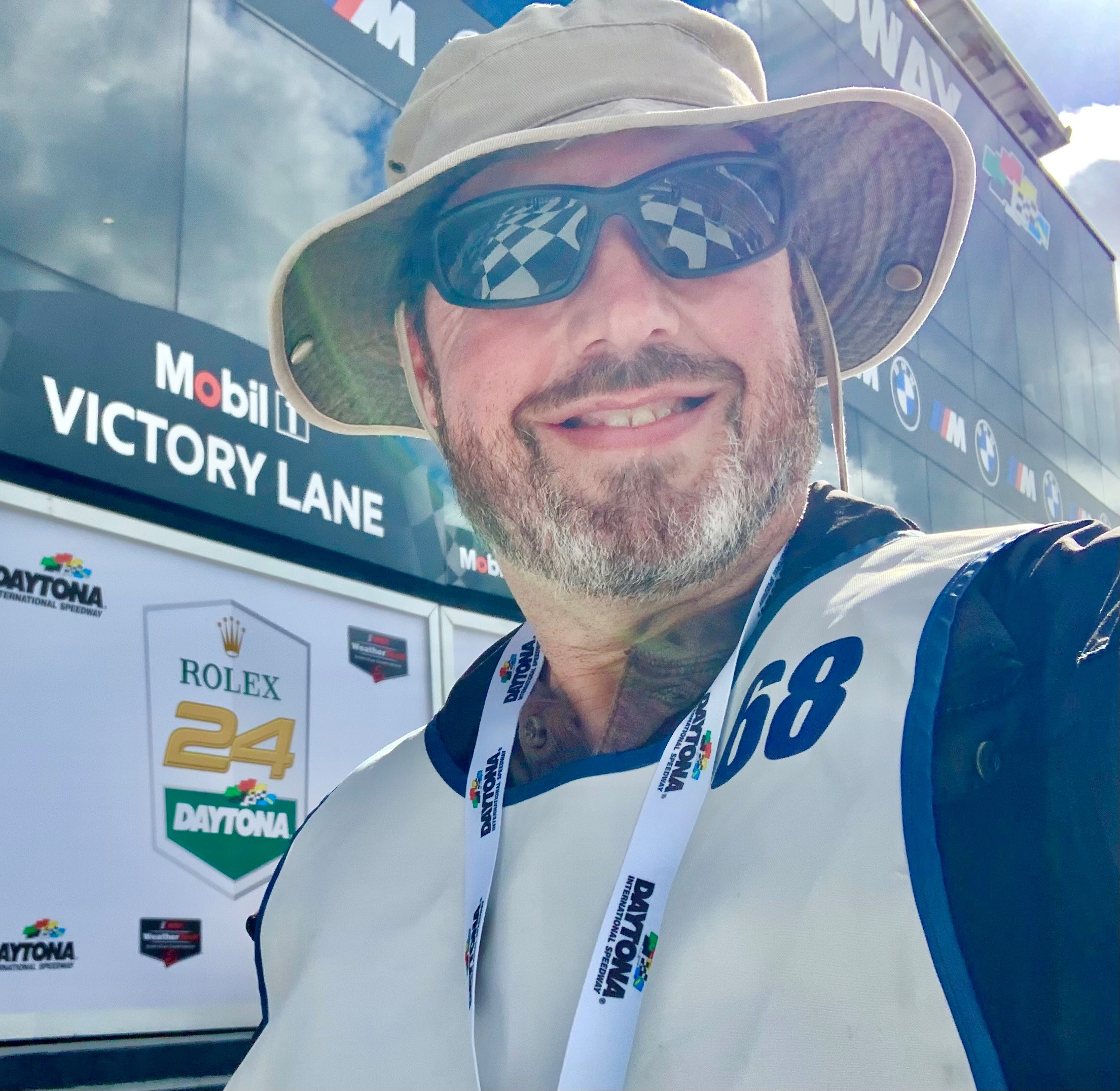
Once we were escorted to set, which was a bit of a walk from the extras/wardrobe tent, we hung out in a holding area till the set was ready for filming.  The holding area was victory lane.  There was no relief from the sun and it was quite hot in the holding area.  Lucky for me, my racetrack photographer wardrobe included a floppy hat and sunglasses:
The only scene I was put into on my first day of work was the garage scene where Javier/Ruben comes into the garage with the winners trophy and talks to Brad/Sonny.  I was in the crowd outside the garage and you cannot see me in the film because I ended up behind the wall separating two garages. Oh well.

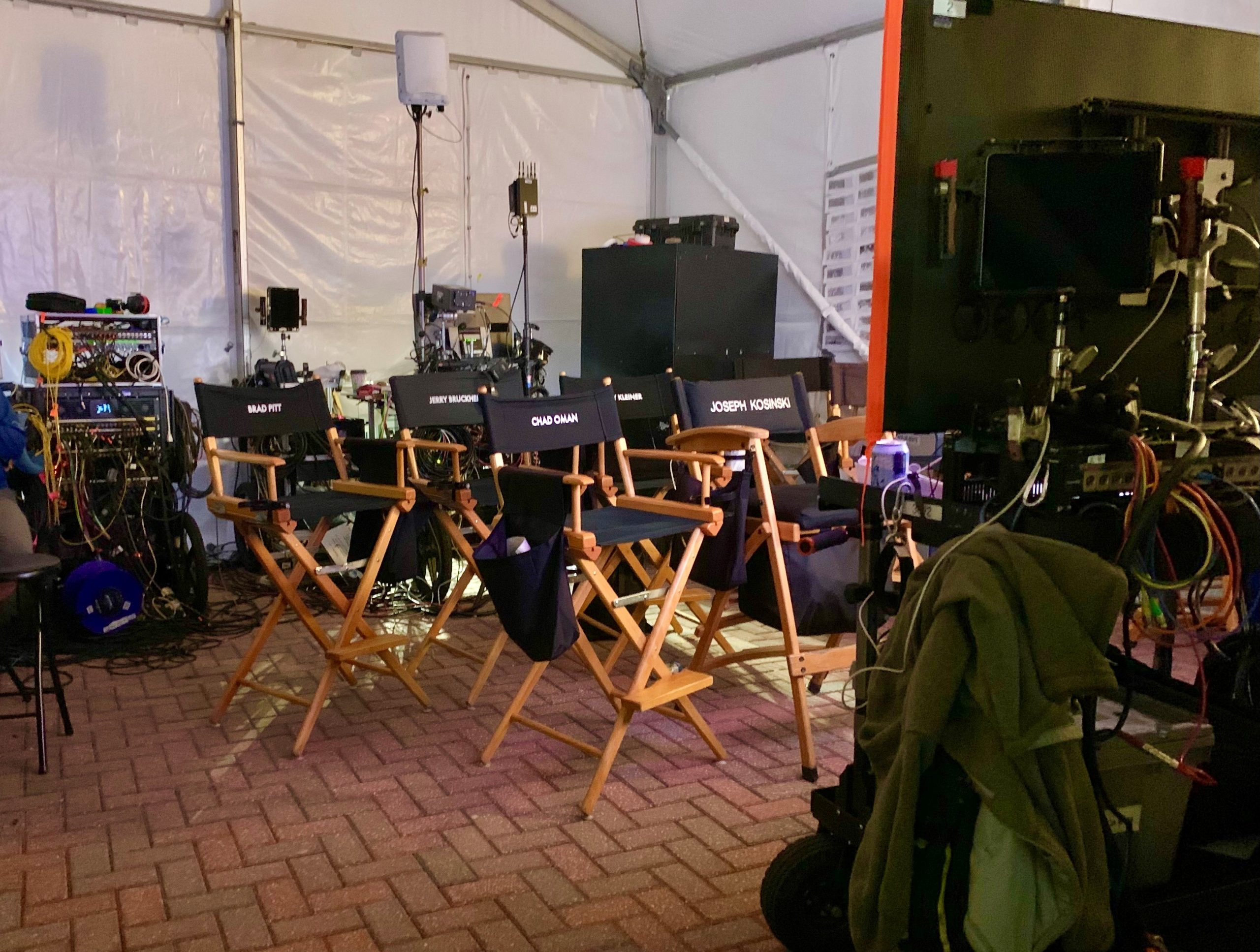
Video Village was right there in the corner of our holding area, which was pretty cool to see.  Video Village is the dedicated area with video monitors where the director and other crew members watch live camera feeds and make decisions about the shot.  Actors sometimes come to Video Village after a scene is filmed to get a sneak peek at their performance.
The only scene I was put into on my second day of work was the Brad Pitt walking scene from his van to the race track.  It was filmed at around 10pm at night and it involved a lot of extras crossing in different directions and at different distances in order to show the activity during an active Rolex24 race.

I was lucky enough to have been placed near the beginning of the scene and I was directed to pass right by Brad towards the camera that was following him in the scene.  It was a fairly narrow walking path and I passed close enough to bump into him, although I was very careful to avoid that.

The scene started right here with Brad exiting his van:
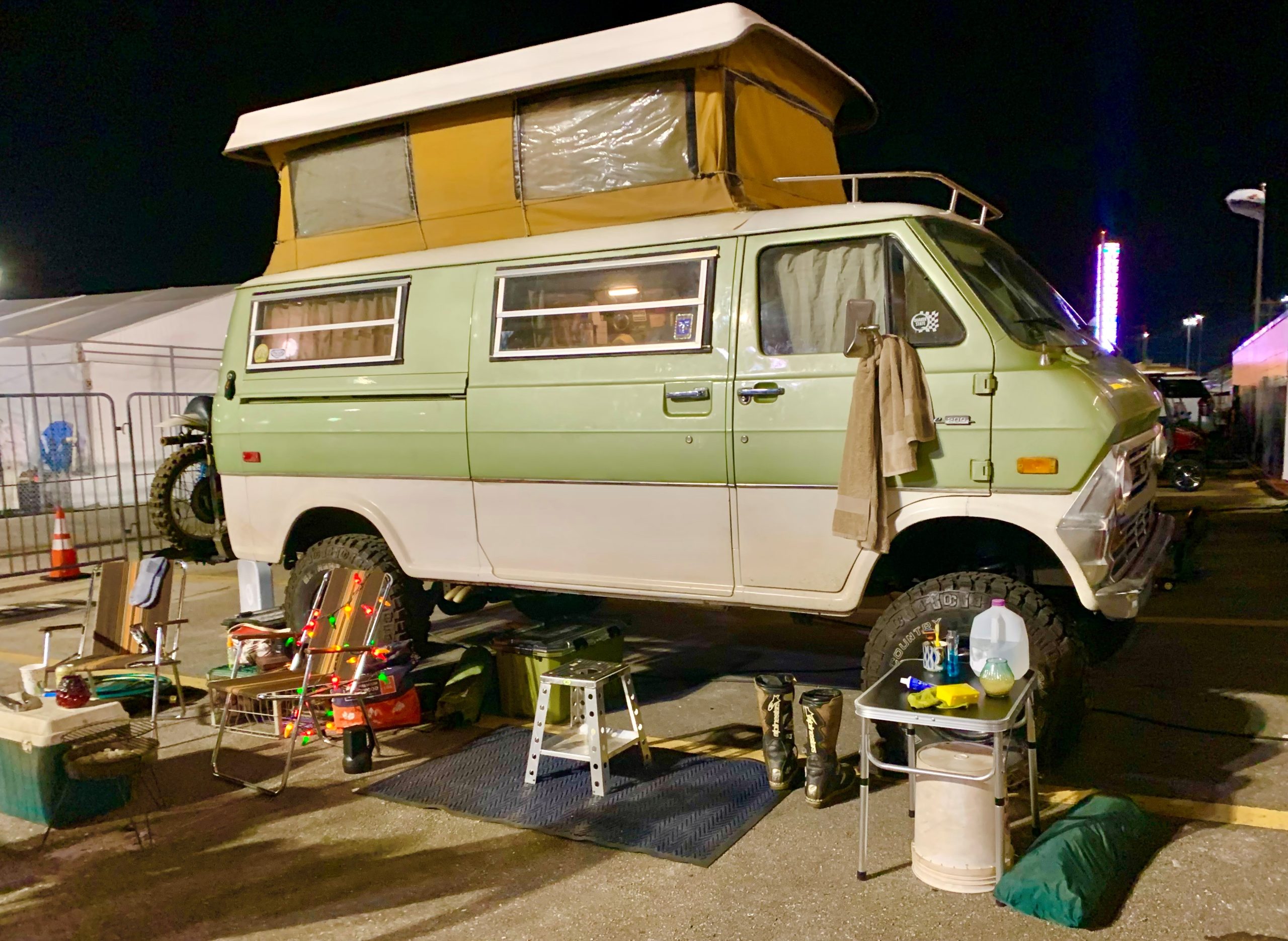
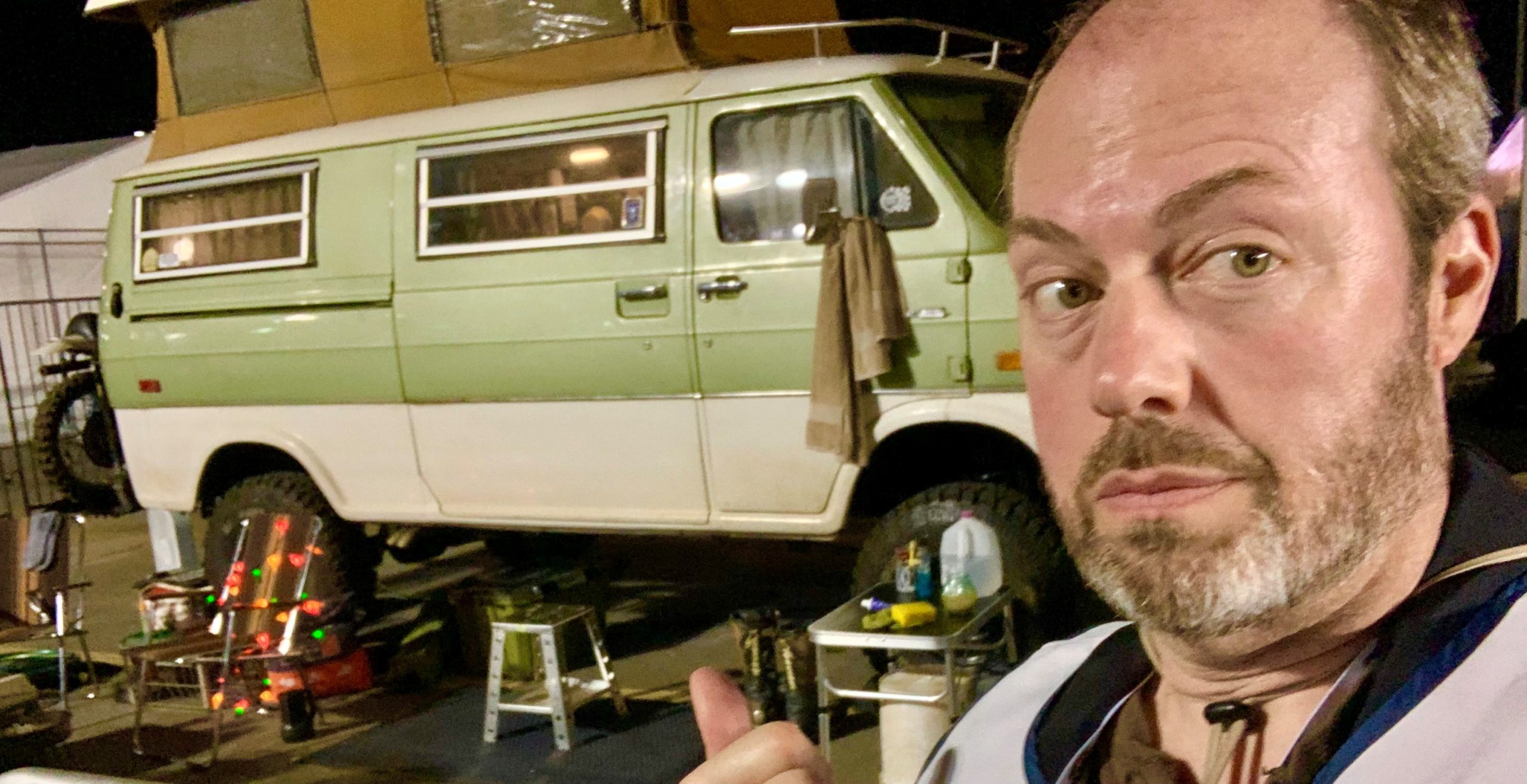
I snuck a selfie with the van set at the end of the day as we were walking back to the extras tent.  We weren’t supposed to take photos, but I’m pretty sure that was to avoid spoilers on social media.  There’s nothing to spoil now that he movie is out, so I suspect these photos are okay to post now.
My third day of work was quite boring because I was not put into any scenes at all that day. I think many of the extras were in the same boat that day.  I guess the film crew had us come in just in case but then ended up not needing many of us after all.  Oh well.
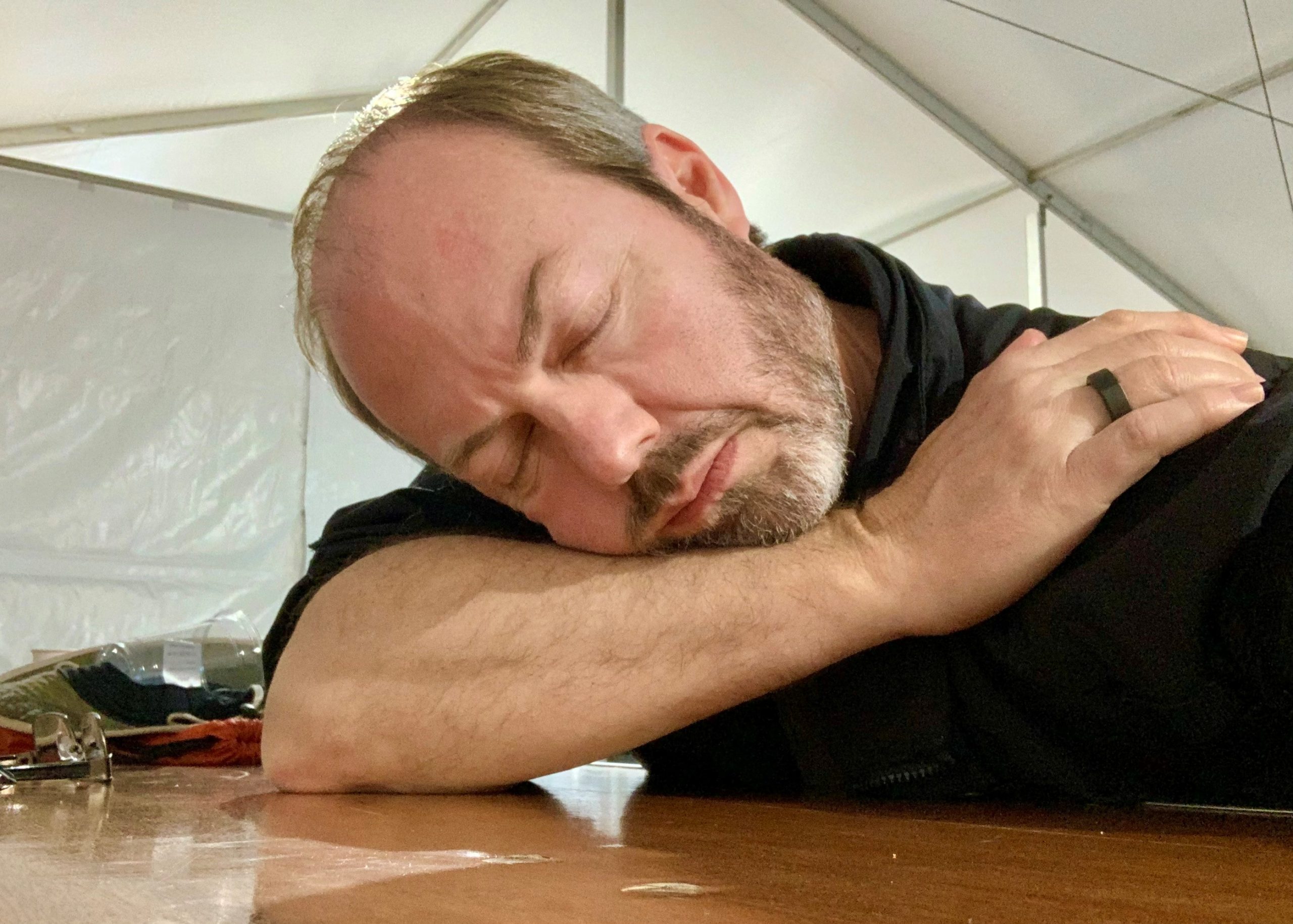
The whole experience of being an extra in the film wasn’t easy. It was a lot of sitting around and waiting, but that’s pretty typical in the business.  There was also a lot of time spent waiting in the sun with very little shade/water/snacks.  That part wasn’t very fun.  But we got through it.

As a highly technical person, I really enjoy watching the crew set up and work.  I also made a great new friend, Jerry, during my time there.  And I ended up making it into that walking scene at he beginning of the film. And in case you were wondering, this is not a volunteer thing … they paid us real money for the gig.

So overall it was a good experience for me  I will keep my eyes out for another opportunity to take part in another cool TV or film project near me.  It can be a fun diversion from the daily NASA Engineer grind.  LOL

Kurt

Kurt’s First NASA Internship Term Report: Spring 1991

Today, January 7th 2024, marks exactly 33 years of my working for NASA. I recently found the below 2-page, single-spaced report that I wrote at the end of my first internship semester, Spring of 1991. Who remembers dot matrix printers?!?

My first internship term was a pretty good start to my NASA career I think. It’s been a crazy 33 year ride so far with no end in sight just yet. I’ve still got a few more years in me, I think!

Thanks for your interest!

Kurt

Search Engine Section

Feel free to ignore the below section. I’m just repeating the report below in plain text for the benefit of search engines.

Kurt W. Leucht
Electrical Engineering
University of Missouri-Rolla
Failure Analysis & Materials Evaluation (FAME) Branch of the Materials Science Laboratories (MSL)
Branch Chief: Irby Moore
Electronics/Metrology Section 
Section Chief: Gary Bassett
starting wages: $6.98/hr.	ending wages: $7.28/hr.
total earnings: $6650.00	approximate savings: $2500.00
duty hours: 7:00 to 3:30
forwarding address:


---------------------------------------
Irby Moore
 
     I was assigned to the Failure Analysis & Materials Evaluation (FAME) branch and worked primarily in the Electronics and Metrology Laboratory since my major is electrical engineering. My principal duties included working with the electrical engineers on failure investigations and managing the video area or Real-Time Documentation Laboratory, which is an integral part of the FAME branch. During my first term I became proficient in the area of television and video technology. The video area in the Electronics and Metrology laboratory is basically a small television studio where it's possible to produce and edit presentations about critical failure investigations. The requester of the investigation can then take this presentation to his/her upper-level management to show them the status of the investigation. It also gives them something to work with while they're waiting for the report from the lab to be published. It's known that a picture is worth a thousand words. In our case, a video is worth a thousand pictures. There are many cases where a stack of pictures can't tell the same story as a short video presentation, so video has become an important part of our failure investigations.
     The video area is also used to generate instant high-resolution photographs from a live camera, a video tape, or our computer generated video. Since these photos can be placed directly into our reports, this capability is used extensively in the laboratory. In my first few months here, I became an expert on photo-documentation from video. I learned about photography and good lighting techniques. I mastered the professional-quality digital camera and the lenses and accessories that go with it. I also became skillful in the use of the computer system that manipulates video images.
     Among my secondary duties was the calibration and maintenance of the video area and all of it's equipment. I've become well-practiced in the area of state-of-the-art digital oscilloscopes and television waveform analyzers/vectorscopes. I did some research into the theory of operation and the testing and calibration of the video equipment before I could understand enough to try troubleshooting problems. I wrote a procedure for the general calibration of the video area so that anyone not completely familiar with every piece of equipment could follow specific instructions and get everything working properly. The procedure was written in a way that was meant to help the person understand how the video system works. I've also been working on a manual to show someone who knows absolutely nothing about the video area how to use the basic functions of most of the equipment in the lab. This will give everyone in the branch the ability to use the video lab.
     By working in other sections of the branch, I've had many chances to work with engineers and technicians from other fields. On several occasions I've gone to the launch pads or to the Orbiter Processing Facilities with the engineers from the Metallurgy Section and helped them take hardness readings on different metal surfaces as part of a failure investigation. In the Mechanical Section I've helped the engineers set up x-ray experiments and film them for future use. In the Physical Testing Section, I've learned how to use the tensile/compression machines and the vacuum chamber. For KSC's Open House, I produced a professional-quality video presentation about the Physical Testing Section's vibration laboratory. Also for Open House, I performed a demonstration on cryogenics and superconductivity throughout the day. In the Electronics and Metrology Section I've done a lot more than just taken pictures. During failure investigations I made electrical test setups from schematics, ran the tests, and helped analyze the data. I've made numerous video presentations for the engineers and requesters of the investigations. I also initiated a system between the lab and the Press Site for obtaining multiple copies of videos for distribution and obtaining high quality scenes of KSC activities for insertion in our productions. I've sent video presentations that were made in the lab over satellites to other centers through the Video Teleconferencing System in the Headquarters Building. I've begun organizing the stock ordering system in the lab and have ordered supplies as needed. I also help write PR's [purchase requests] and SR's [support requests] and have even 'walked through' important PR's
     I have always been interested in space exploration and I've always wanted to work for NASA so that I could be a part of that exploration. In high school, I painted a mural of the space shuttle on the wall of the library. Now that I'm officially a civil servant, although the pay isn't spectacular, it's great to be able to feel like I'm a part of the space program and that I can truly make a difference. While I was here I witnessed two launches from the Vehicle Assembly Building area. I was able to go to the launch pad one morning to watch Discovery being rolled up the ramp to the pad and I even got my picture taken in front of it. I was fortunate enough to get out to the Shuttle Landing Facility and see Discovery land here and I also saw Endeavor fly in atop the new 747 shuttle-craft.
     My experiences here at KSC have helped me gain more understanding of my major field of study. Since most students choose their major during their freshman year, it's often hard for them to understand what's ahead of them. But since I've experienced first-hand what's in my future, I have a choice that most students don't have the chance to make. I have the option to change my major if the work here isn't what I thought it might be. And if I were to choose not to work for NASA, I could take my experience to another employer after I graduate and be a step above the other graduates. If I were to graduate today though, I'd take a job right here in the FAME branch. Being an engineer here in the labs is unique in the fact that it's completely a hands-on experience, not a desk job or a job of looking over a technician's shoulder while they do all the work. That's probably what I like most about the FAME labs. I'm a little excited to get back to school, but I can't wait to come back to KSC and get back to work!

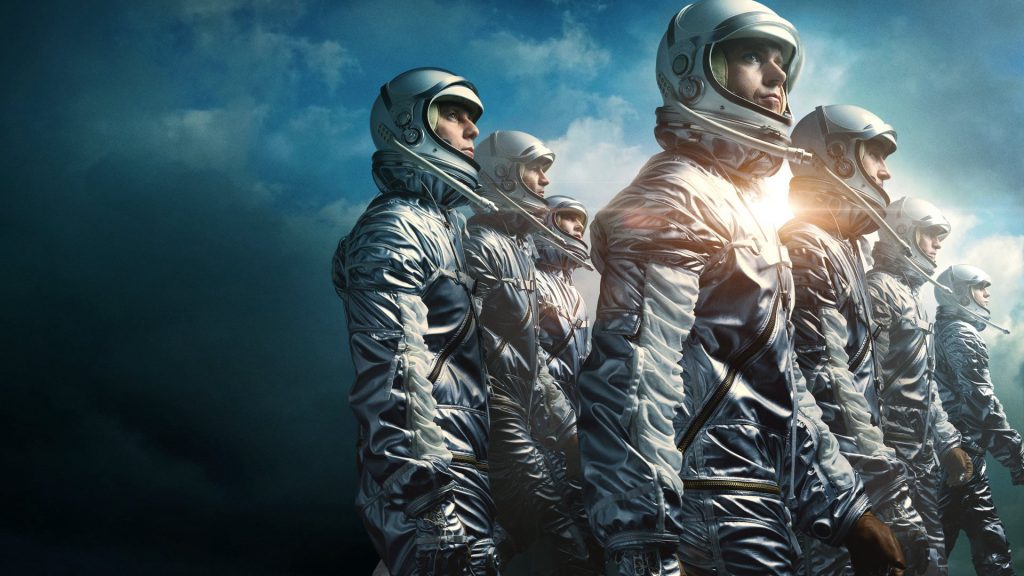
The Right Stuff TV series on Disney+

Did you catch the new 8 episode streaming historical drama series The Right Stuff on Disney+? It premiered on October 9th, 2020 to a bit of fanfare.

From the Disney+ website:

The incredible story of the early days of the U.S. space program, based on the iconic bestseller by Tom Wolfe.

This series is highly fictionalized and dramatized and doesn’t follow the book perfectly. And that’s okay. It’s getting some heat from reviewers in this vein, but I think everyone should just calm down and realize that there was no point in copying the 1983 movie in this new series. This series is not an exact historical account. And who cares? The movie wasn’t either.

If you’re on the fence, this behind the scenes trailer might help get you pumped up for it:

And here’s the official trailer:

Besides being sort of a space nerd myself, the other thing that got me interested in following the production of this new series is that most of it was filmed right in my back yard. Several scenes were filmed on Florida’s Space Coast. And most of the rest was filmed on a soundstage at Universal Studios, Orlando. Additionally there were a few scenes that were filmed in downtown Orlando, Lakeland, and Tampa.

The most amazing thing about this series filming locally is that I had the amazing opportunity to be cast as an extra in several scenes of several episodes. See if you can spot me! Just remember, long haired and bearded hippies weren’t really a big part of the early space program, so imagine me without any facial hair. Type your guesses (episode number and time hack) below in the comments!

Thanks for your interest!

Kurt

Teleworking With Swarmies

During these strange and trying times of the current global pandemic, everyone seems to be trying their best to distance themselves from others while still getting their daily work accomplished. Many people also have the double duty of little ones that need to be managed in the midst of their teleworking duties.

This photo series gives you just a glimpse into my new life of teleworking from home, mixed in with the tasks of trying to handle my little ones too. I hope you enjoy it.

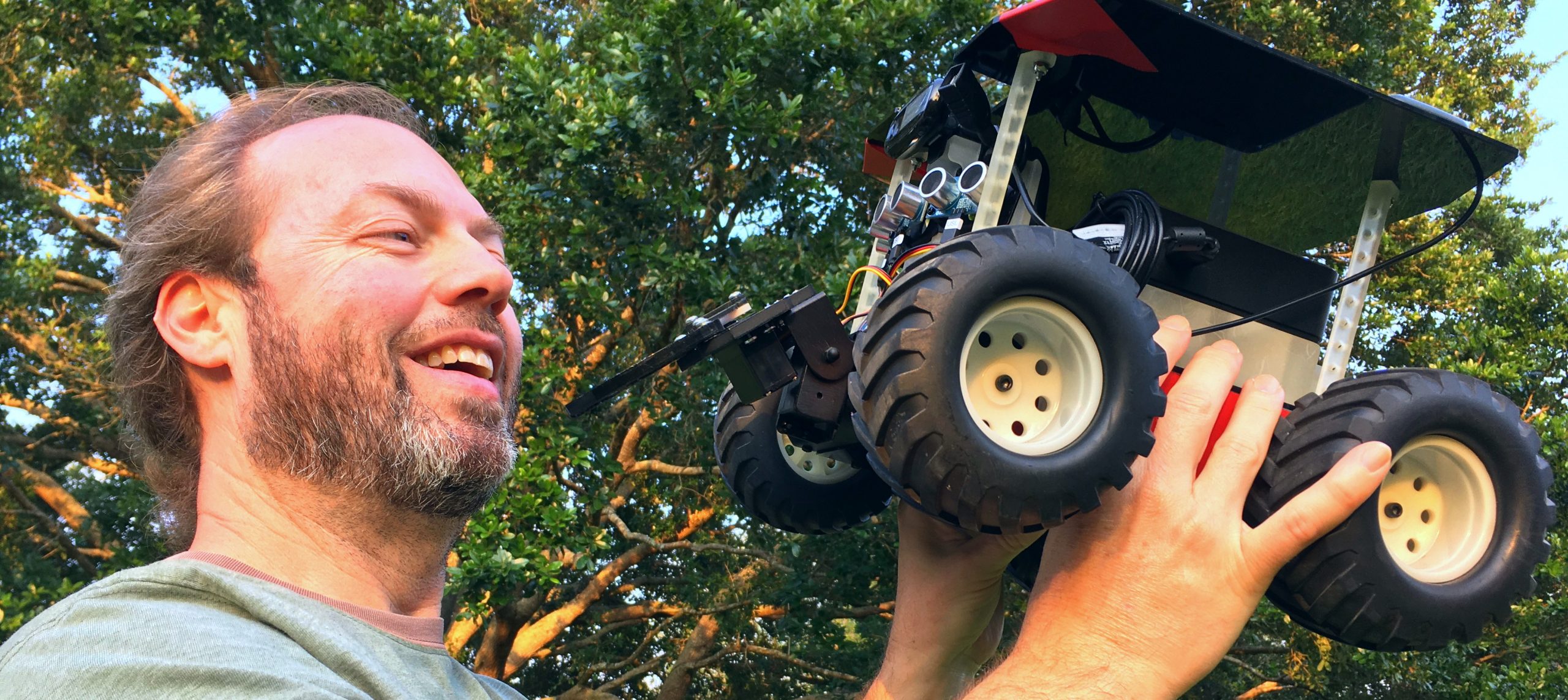
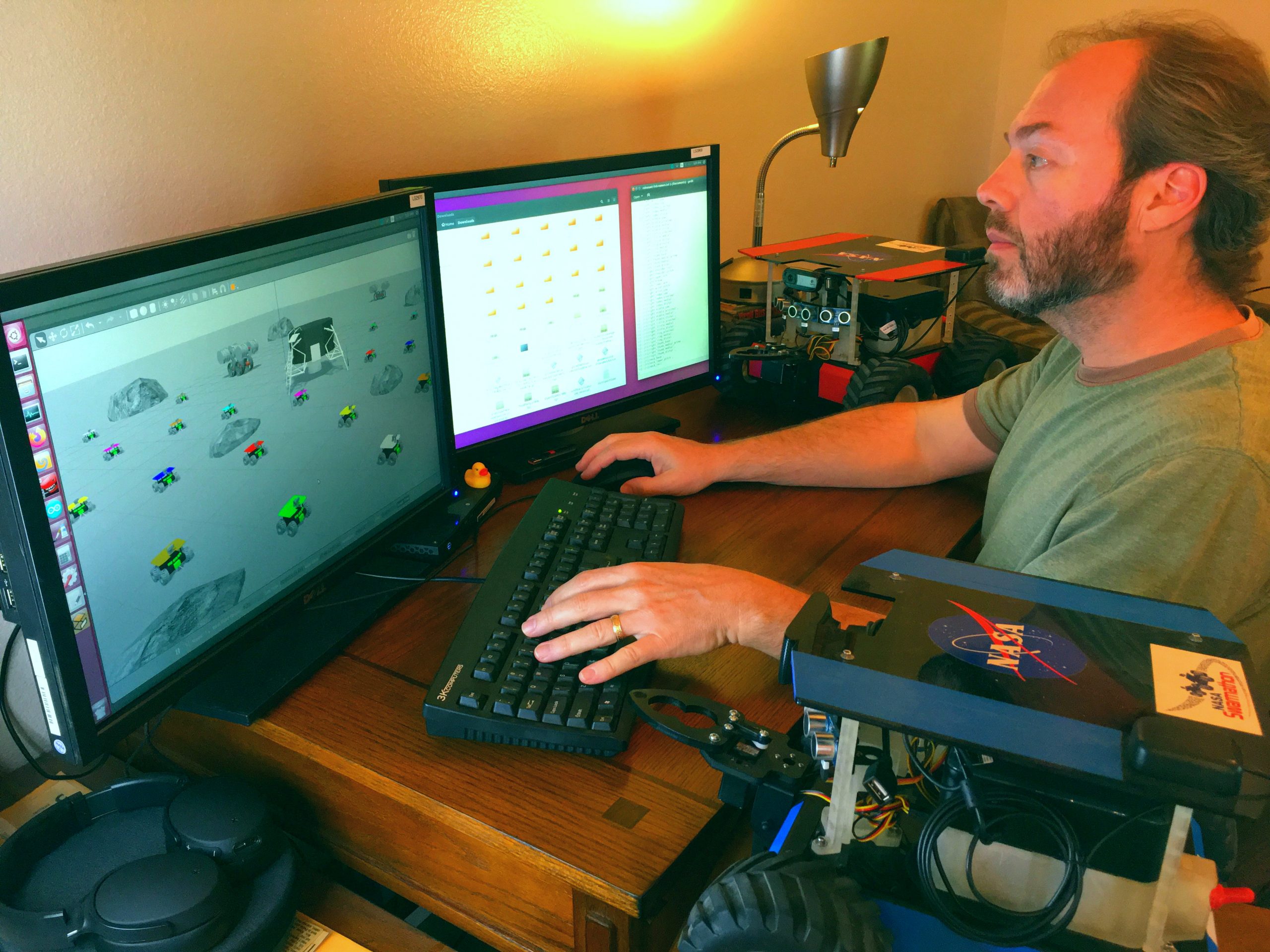
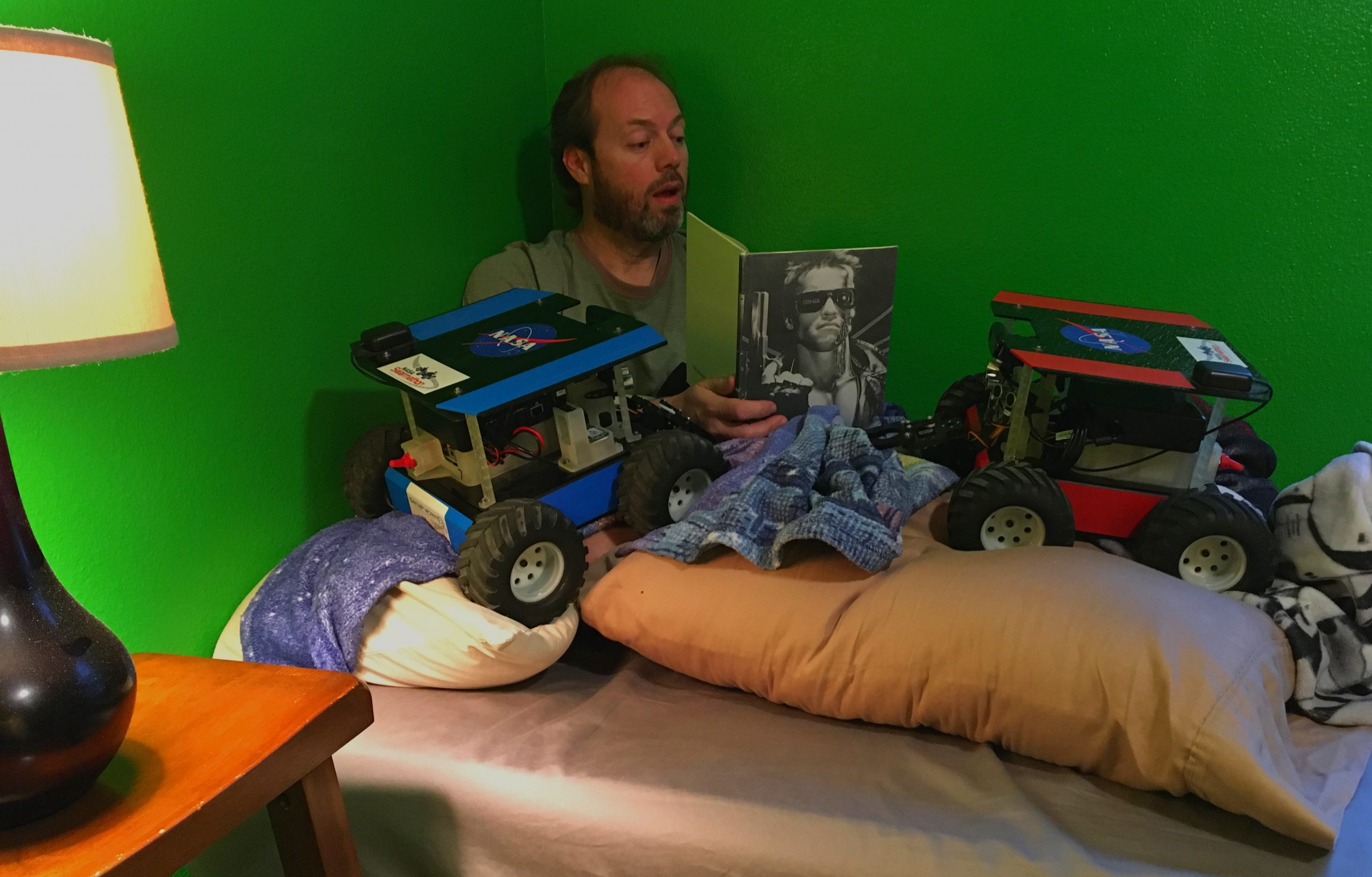
Swarmies love to watch me work! Maybe they’ll work for NASA when they grow up!

TV is never a good Swarmie-sitter, but sometimes a parent just needs a break from the chaos.

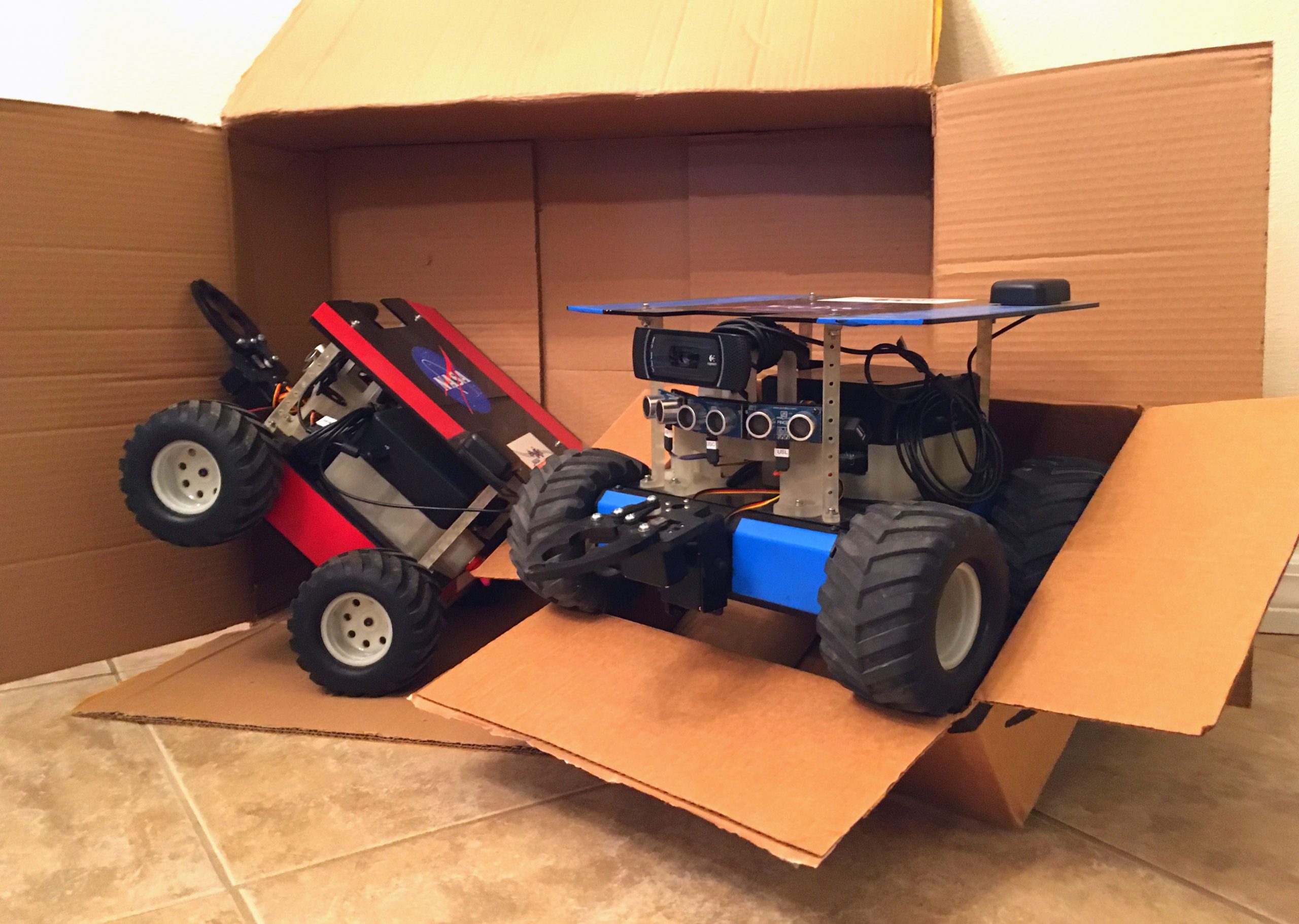
Sometimes an empty box is more fun than all the expensive toys in the house!

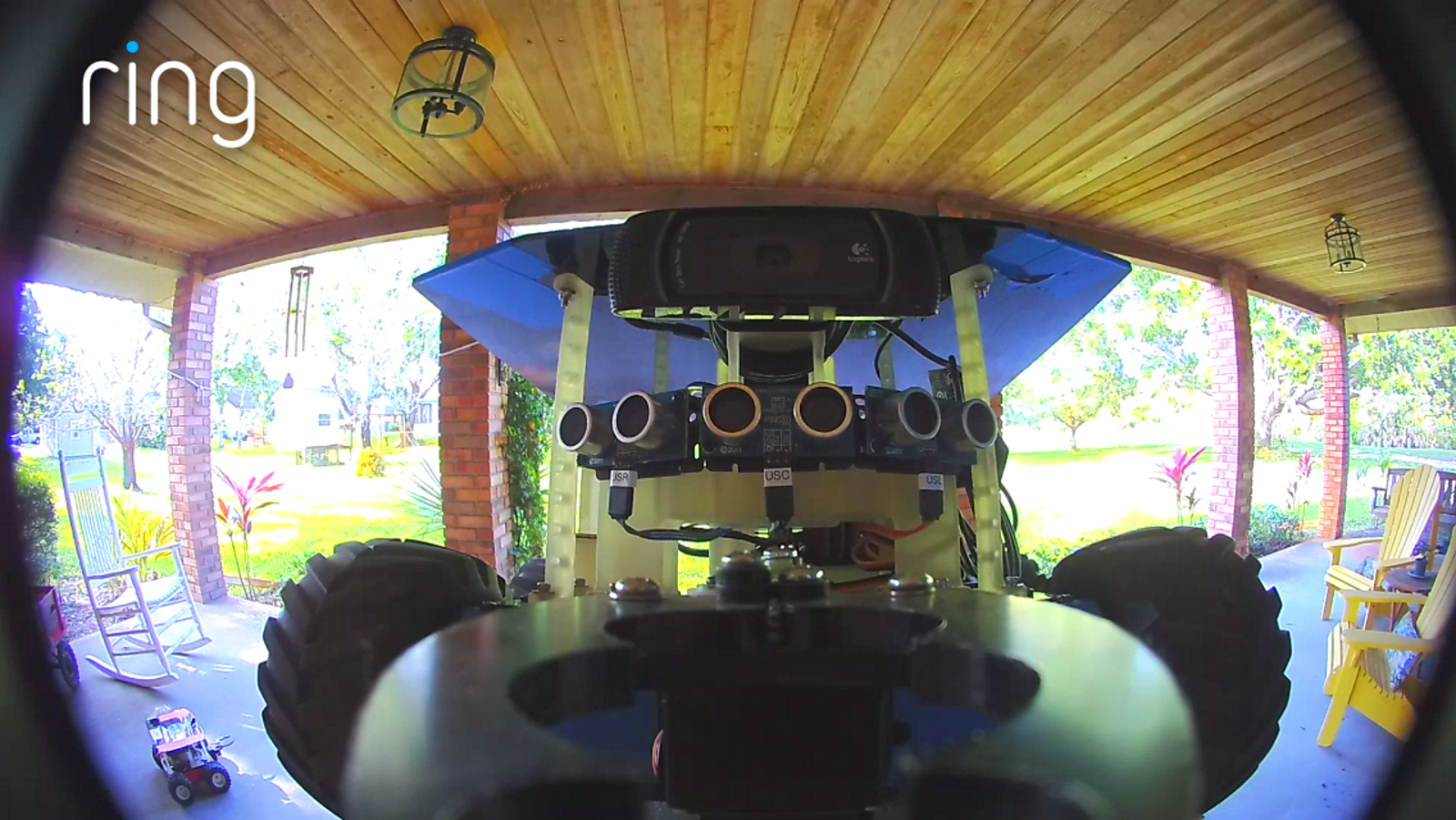
The doorbell rang this afternoon and nobody was there. Here’s what I found later on the doorbell camera.

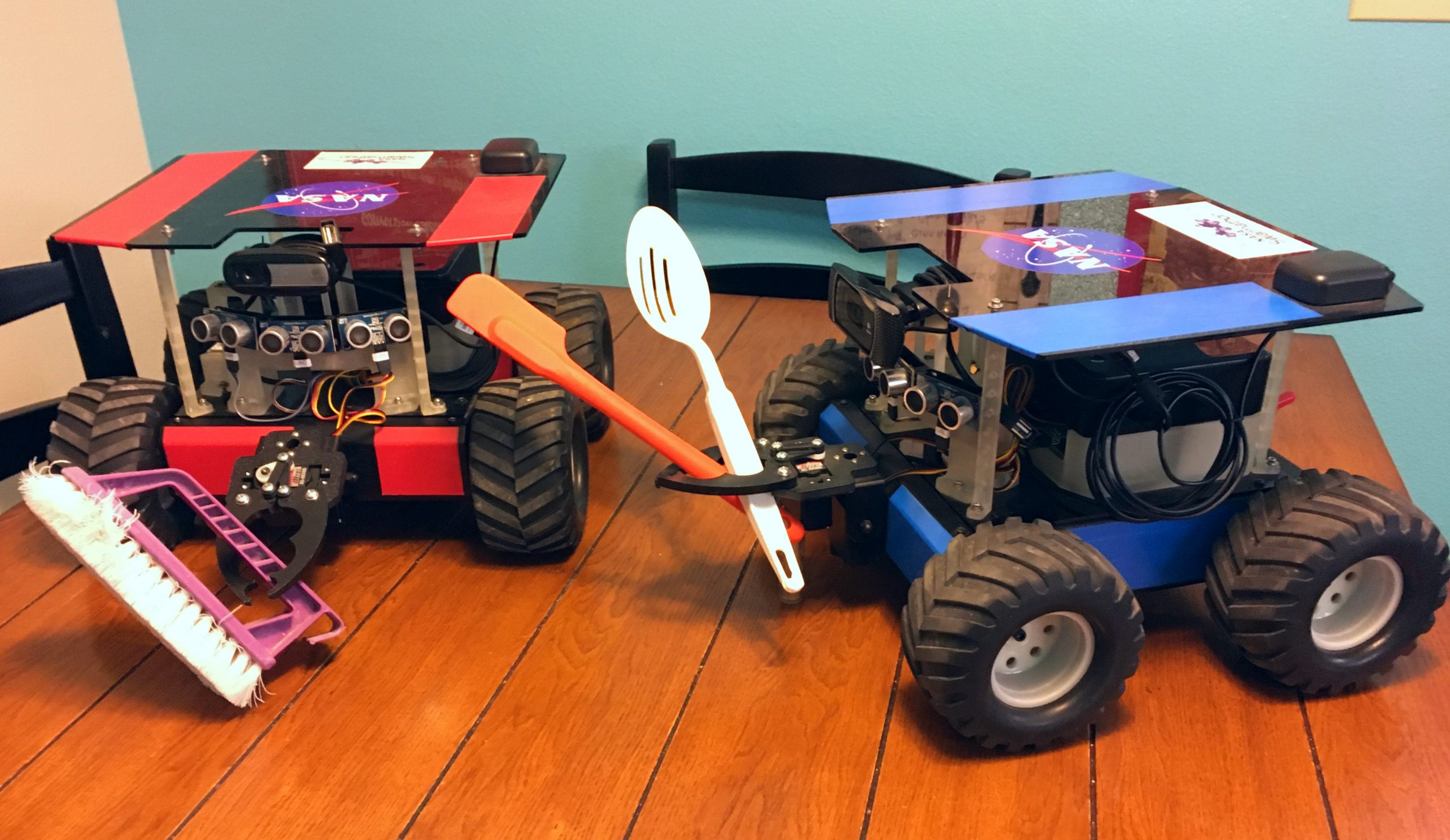
Swarmies just love to help out around the house! Will they still be this helpful when they’re teenagers?!?

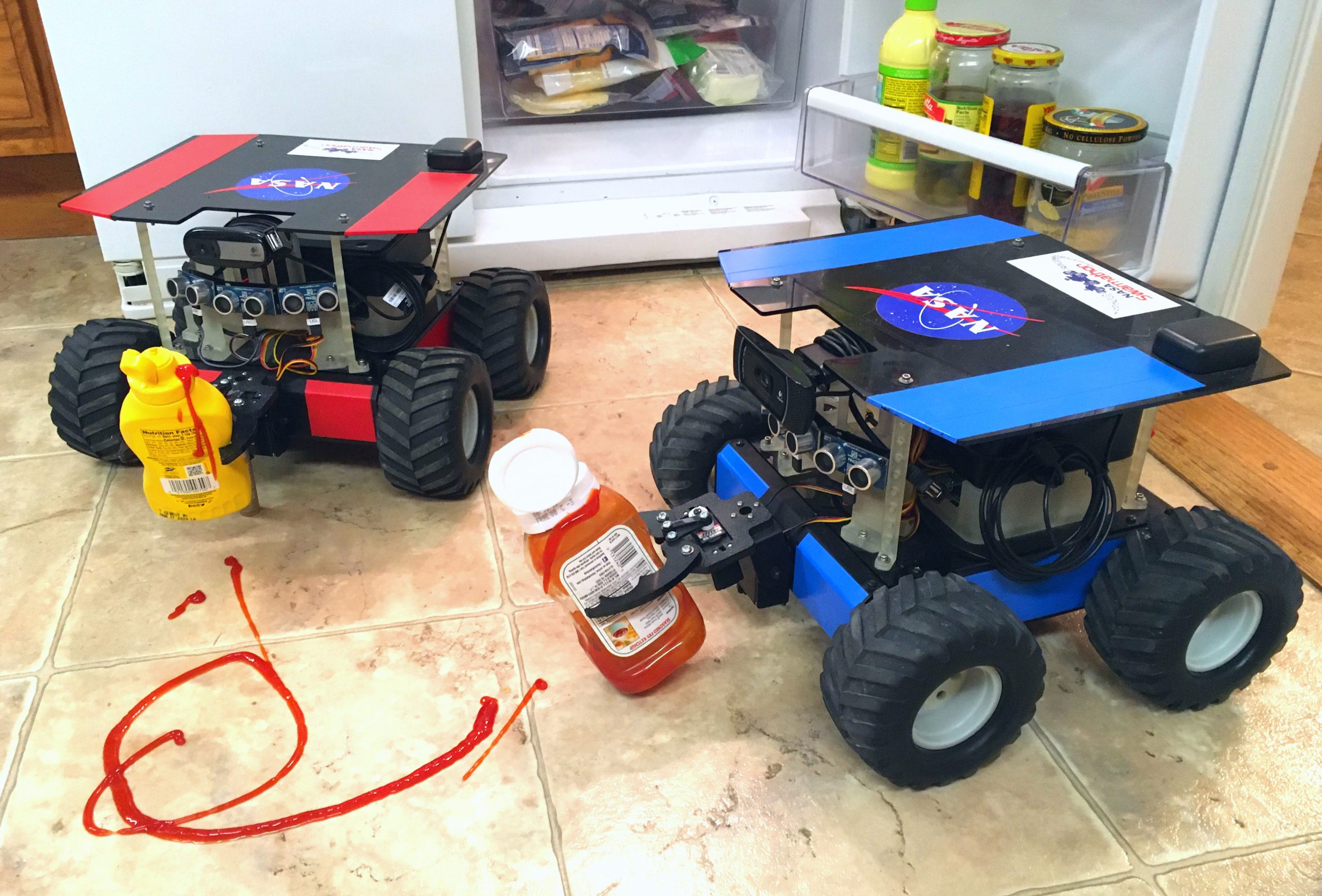
I heard a commotion from the next room. I ran into the kitchen to find this.

Swarmies and I had a long hard day today. Sometimes you just need a nap.

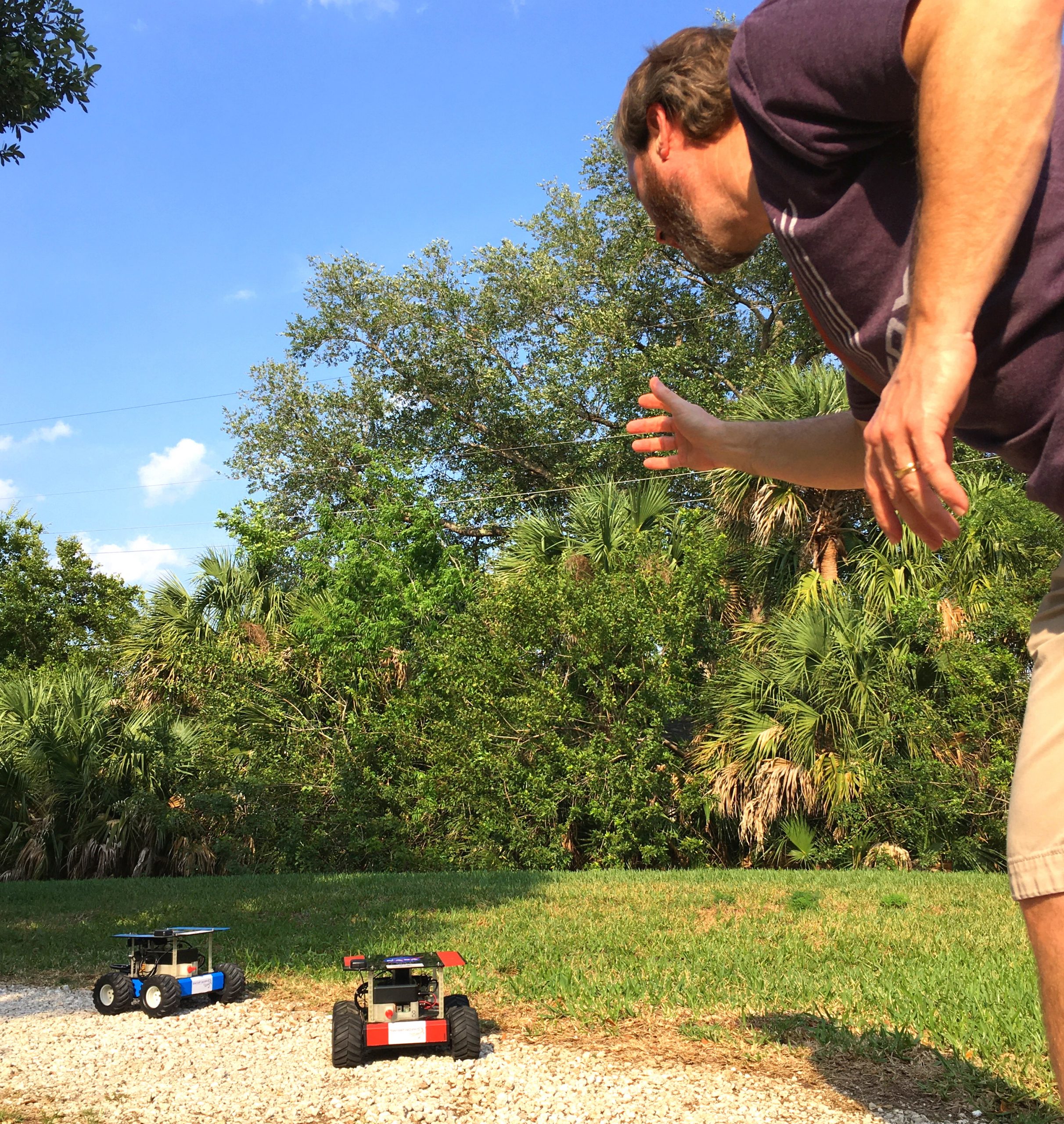
The Swarmies tried to run away today. Luckily I caught them before they got too far down the road.

This is the Swarmies most favorite bedtime story. Not sure why. Seems like an odd choice to me.

It’s moments like this that make raising Swarmies totally worth it!

So there you have it. There are good times and there are not so good times. But we do the best we can and we roll with the punches. Good luck to all you teleworking parents out there who are doing double duty these days! Stay strong!

Thanks for your interest! Kurt

Feel free to share! Here is a nice user friendly URL: https://tinyurl.com/TeleworkingWithSwarmies

Legal Disclaimer: Teleworking With Swarmies was done completely off the clock. No tax dollars were used. In addition, no Swarmies were harmed in the making of Teleworking With Swarmies.

Practicing with an Iron Rocket

Rocket science isn’t easy. Rockets are basically complex systems of other complex systems that all have to work together perfectly. Also, they’re highly explosive. So creating a brand new rocket can take a while. It’s careful and methodical work.

Take SLS, or the Space Launch System. (Yeah, I know it’s a terrible name. That’s not under my control, though.) SLS is going to replace the retired Space Shuttle. It will loft humans and spacecraft into low earth orbit and beyond.

SLS was funded starting in late 2010 and it’s first uncrewed test flight called Artemis 1, as of this writing, is scheduled to launch in late 2020. A lot of smart people will argue about why it took so long and who is at fault. But a lot of that time is simply due to the fact that rocket science isn’t easy.

All that to say, by the time the actual rocket arrives at the Kennedy Space Center in Florida from the factory at the Michoud Assembly Facility in New Orleans, there won’t really be any time to spare. All the equipment and facilities and personnel at KSC will need to be ready to support. So we’ve been testing and rehearsing and practicing.

NASA has even built an Iron Rocket called the SLS Core Stage Pathfinder to practice with and to verify and certify all of our facilities, our equipment, and our processes and personnel. It arrived recently onboard a barge … the same barge that will deliver the real core stage.

Since it’s arrival, we’ve performed and practiced several different types of operations with this Iron Rocket inside the giant Vehicle Assembly Building (VAB). These pretty awesome 360 degree videos show us lifting it up inside the VAB and then lowering it down into its resting place on the mobile launcher. Unless you’re watching these videos with a Virtual Reality rig, just click and drag your mouse to change the point of view! It feels like you are right there inside the VAB with the workers!

Thanks for your interest!

Kurt